You are here: Home » Blog » The Enaminone Blueprint: Site-Selective Functionalization and Macrocyclization with CAS 4637-24-5
The Enaminone Blueprint: Site-Selective Functionalization and Macrocyclization with CAS 4637-24-5
Views: 0 Author: Site Editor Publish Time: 2026-05-13 Origin: Site
THE 2026 PRECISION REVOLUTION: SITE-SELECTIVITY
The greatest challenge in 2026 medicinal chemistry is the Late-Stage Functionalization (LSF) of complex molecules. Traditional reagents often lack the "surgical" precision needed to target a specific C-H bond without affecting existing sensitive groups.
DMF-DMA (CAS 4637-24-5) excels here. Its most sophisticated use involves the condensation with Active Methyl/Methylene groups on aromatic or heteroaromatic rings to produce stable (Dimethylamino)methylene derivatives (Enamines).
The Benzylic Pivot:
In 2026, chemists are using EASTFINE-sourced DMF-DMA to selectively functionalize nitrotoluenes or methyl-pyridines. This process "activates" the benzylic position, allowing for the subsequent synthesis of Nitrocinnamonitriles or specialized Styryl scaffolds in a single, high-yield step.
Exclusivity:
This protocol exhibits exclusive site-selectivity—functionalizing only the position ortho or para to electron-withdrawing groups, effectively "masking" and then "deploying" formyl reactivity exactly where needed.
BUILDING THE PROTEASE INHIBITOR BACKBONE
The global push for new Antiviral and Protease Inhibitors has revitalized the demand for Enaminones synthesized via CAS 4637-24-5.
High-Velocity Enaminone Formation
By reacting DMF-DMA with methyl ketones (such as 3-acetylquinolines), process chemists create versatile enaminone intermediates.
Applications:
These intermediates are the "pre-fused" units used to build Spirooxindoles and Acridinones, which are currently showing significant in-vitro efficacy against resistant fungal and bacterial strains.
Process Stability:
Unlike stoichiometric Vilsmeier reagents, the use of DMF-DMA prevents the formation of hazardous oxychloride waste streams.
The Macrocyclization Trigger
In 2026, Macrocyclic Drugs are the solution for "undruggable" protein-protein interactions.
The Mechanism:
The formyl-transfer ability of CAS 4637-24-5 is used to "bridge" distant nitrogen atoms in a linear peptide, triggering a ring-closing reaction that creates highly rigid, bio-available macrocycles.
PRODUCT INSIGHTS: THE EASTFINE ANALYTICAL PROTOCOL
To support these high-precision 2026 workflows, EASTFINE provides "Analytical-Grade" bulk production that adheres to a neutral pH mandate.
Purity (GC): ≥ 99.5% (Essential for moisture-sensitive LSF reactions)
Density: 0.895 – 0.897 g/mL
Moisture (Karl Fischer): <0.05%
Acid Value: <0.05% (Ensuring no trace HCl or DMF-HCl byproducts)
Solvent Synergy
In 2026, the Sustainable Chemistry Directive encourages "neat" reactions. DMF-DMA often acts as its own solvent in condensation reactions, eliminating the need for auxiliary dipolar aprotics like NMP or DMAc, which are facing increasing regulatory restrictions in late 2026.
INDUSTRIAL AUTHORITY: THE EASTFINE R&D EDGE
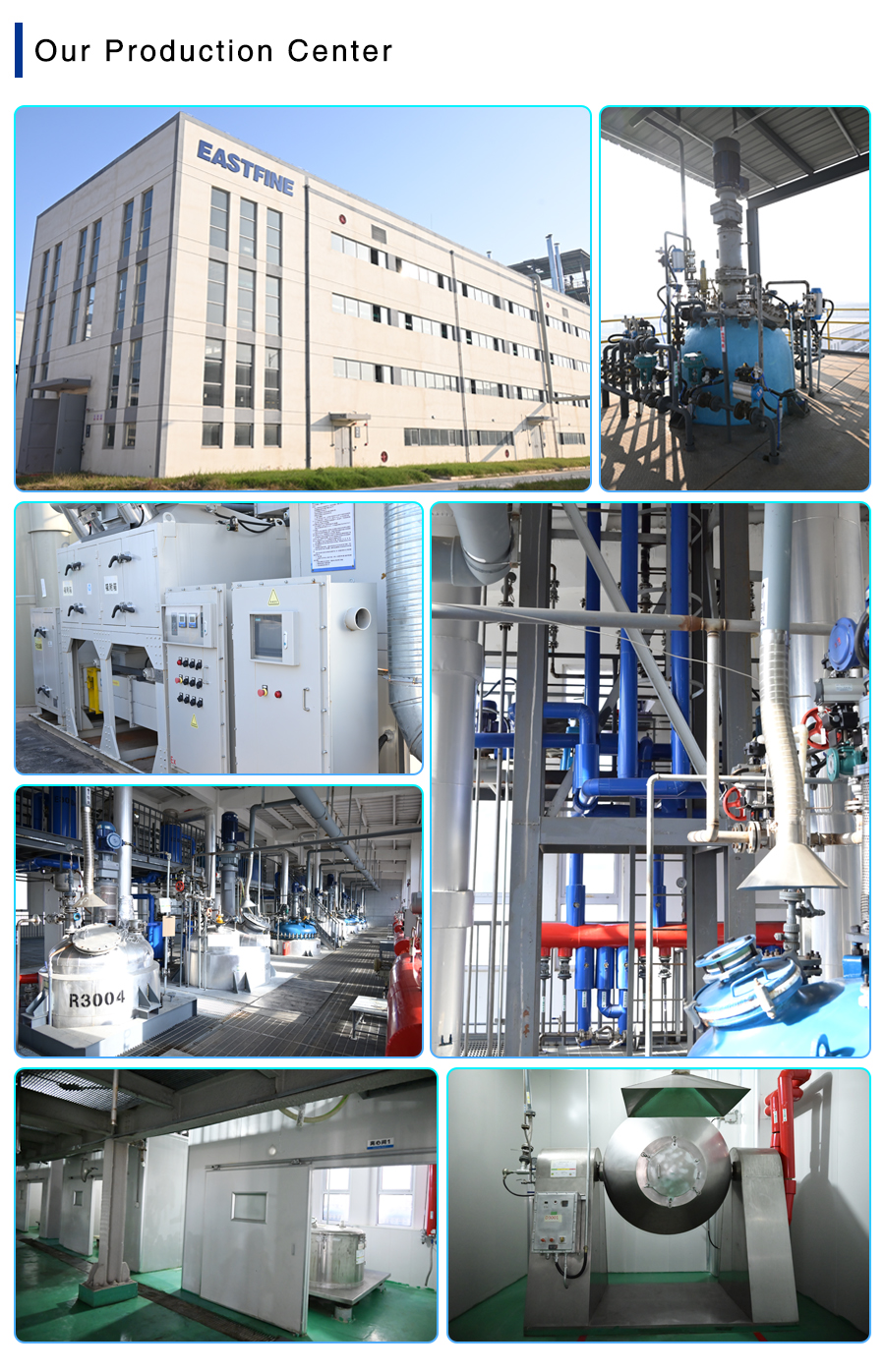
As a specialized manufacturer since 1995, EASTFINE bridges the gap between lab-scale innovation and multi-ton industrial reality.
19 Invention Patents & 8 Utility Model Patents:
We own the proprietary catalytic distillation techniques that allow us to achieve "Water-White" clarity and sub-PPM metal contamination.
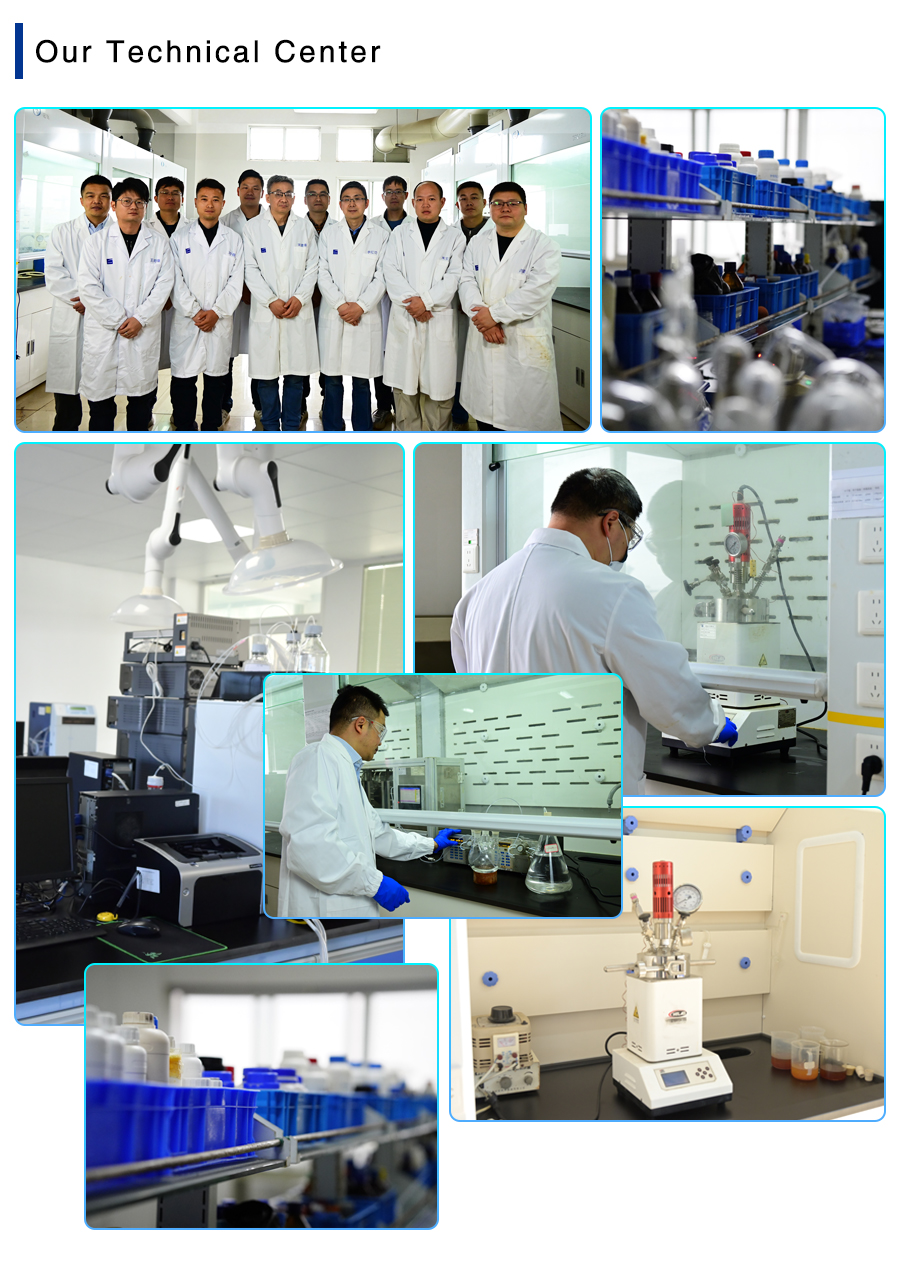
PhD-Led R&D:
Our technical team (led by staff with doctoral degrees) provides "Digital Batch Passports," allowing your AI-synthesis models to adjust kinetics based on the exact refractive index and moisture content of your specific lot.
Dual-Site Security:
Production at our Dalian and Heze sites protects your clinical pipeline from regional disruptions, ensuring that CAS 4637-24-5 is always ready for your next "One-Pot" synthesis.
GLOBAL LOGISTICS & 2026 COMPLIANCE
We recognize that 2026 procurement is about Risk Management.
48-Hour JIT Delivery:
Our hubs in Rotterdam and Singapore maintain pressurized, argon-blanketed stock to ensure rapid delivery to the EU and APAC regions.
Regulatory Resilience:
We provide full REACH and ESG documentation, documenting a 30% lower carbon intensity due to our solvent-free catalytic manufacturing route.
CONCLUSION: ARCHITECTING MOLECULAR COMPLEXITY
The drugs of 2026 are not "discovered"—they are engineered.N,N-Dimethylformamide dimethyl acetal (CAS 4637-24-5) is the surgical tool required to engineer the site-selective scaffolds of the future.
By partnering with EASTFINE, you are securing more than a reagent; you are securing the technical authority and the supply chain stability of a manufacturer that has been at the forefront of pharmaceutical intermediates for 30 years.


 English
 العربية
 Français
 Русский
 Español
 Português
 Deutsch
 italiano
 日本語
日本語 한국어
한국어 Nederlands
 Tiếng Việt
 ไทย
ไทย Polski
 Türkçe
 አማርኛ
አማርኛ ພາສາລາວ
 Bahasa Melayu
 ဗမာစာ
ဗမာစာ Filipino
 Bahasa Indonesia
 magyar
 Română
 Čeština
 қазақ
қазақ Српски
 हिन्दी
 فارسی
فارسی Kiswahili
 Slovenčina
 Slovenščina
 Norsk
Norsk Svenska
 українська
 Ελληνικά
 Suomi
Suomi עברית
עברית Dansk
Dansk اردو
اردو Shqip
Shqip বাংলা
বাংলা Hrvatski
 Gaeilge
 Eesti keel
 Oʻzbekcha
 latviešu
 Azərbaycan dili
 Български
 ქართული
 íslenska
 Lietuvių


 简体中文
简体中文