Introduction: The High-Strain Bottleneck in Fine Chemical Scale-Up
In the modern life-science and fine chemical sectors, the structural manipulation of highly rigid molecular motifs has become a primary avenue for enhancing drug efficacy. Among these motifs, the cyclopropyl group is highly prized for its ability to introduce strict conformational constraints into small-molecule therapeutics, such as targeted antiviral agents, multi-mechanism enzyme inhibitors, and advanced crop-protection agents. To introduce this functional group smoothly, chemical process lines rely on (Bromomethyl)cyclopropane (BMCP, CAS 7051-34-5) as an essential alkylating building block.
The unique chemical utility of BMCP stems directly from its high ring-strain energy (≈ 115 kJ/mol), which is a consequence of its compressed, three-membered carbon geometry. This internal strain highly polarizes the adjacent carbon-bromine bond, making the molecule exceptionally reactive toward a wide range of nucleophilic substitutions.
However, this exact structural tension creates a significant industrial liability: thermodynamic and regiochemical instability. Under standard warehouse storage or intense thermal processing conditions, the cyclopropylmethyl framework is prone to spontaneous, irreversible ring-opening rearrangements. When triggered, this pathway breaks open the three-membered ring, converting the high-value intermediate into 4-bromo-1-butene or cyclobutyl bromide.
For industrial B2B procurement and production managers, a raw material delivery containing even a small fraction of these ring-opened isomers can derail an entire commercial manufacturing campaign. These structural impurities compete directly in downstream alkylation stages, leading to inseparable isomeric mixtures that ruin final API yields, escalate purification costs, and complicate stringent regulatory compliance audits.
The Growing Demand: Market Drivers for Cyclopropyl Intermediates
The global commercial demand for premium-grade CAS 7051-34-5 is experiencing sustained growth, driven by specific structural and physical requirements in modern life-science synthesis:
Bioisosteric Replacement Strategies
Medicinal chemistry frequently deploys the cyclopropyl ring as a hydrophobic bioisostere to replace vulnerable isopropyl, phenyl, or tert-butyl groups. Introducing this small, rigid framework into an active scaffold significantly enhances metabolic stability, shielding the molecule from cytochrome P450-mediated oxidation and extending the plasma half-life of oral medications.
Structural Integrity in Continuous Flow Reactors
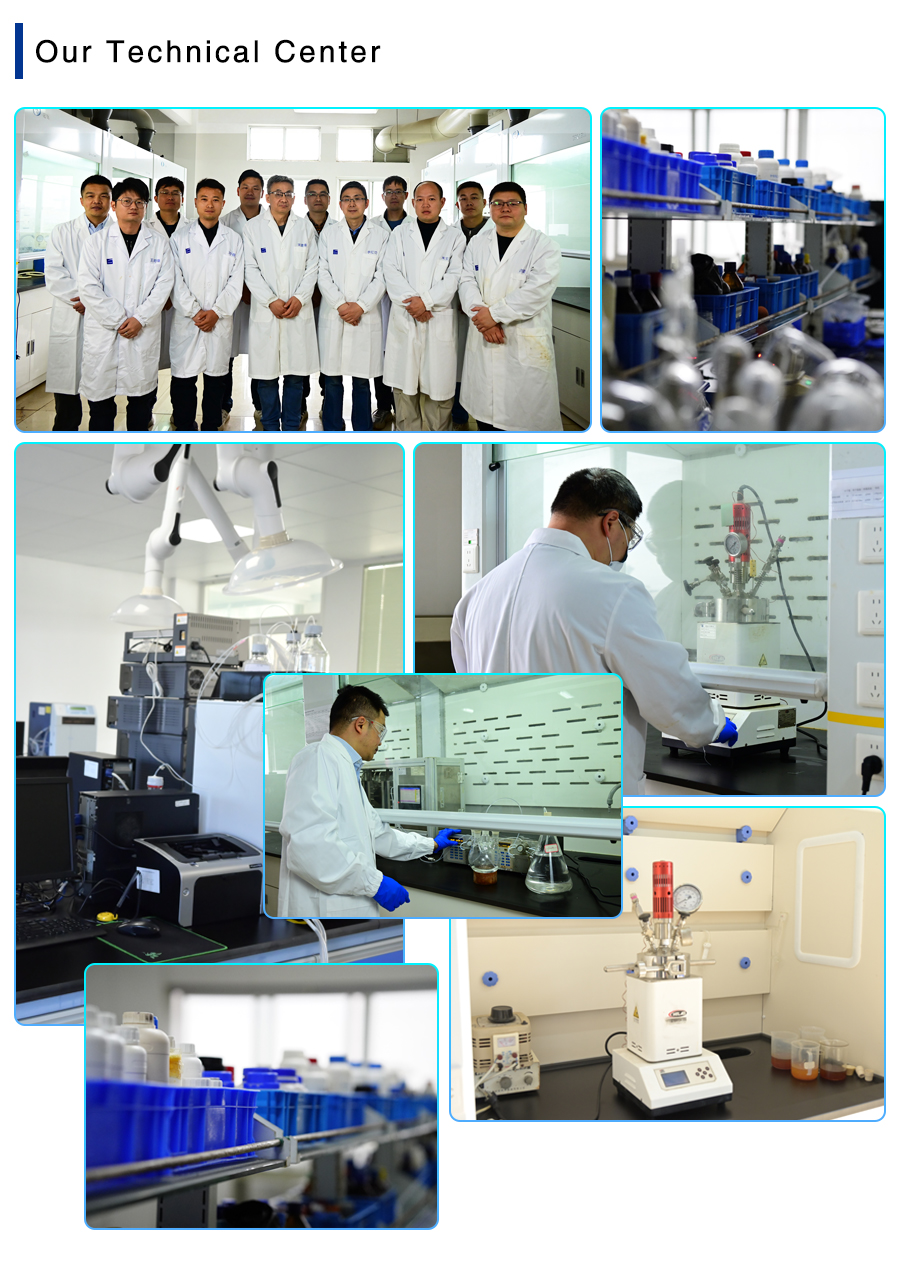
As fine chemical manufacturing transitions from traditional batch vessels toward high-throughput continuous flow setups, the demand for chemically consistent intermediates has intensified. Raw materials must exhibit absolute kinetic stability and a clean impurity profile to prevent sudden, unexpected side-reactions or isomerization within narrow continuous-flow microreactors.
Advanced Agrochemical Formulations
In agricultural science, the cyclopropyl ring is a core structural feature in next-generation, low-toxicity fungicides and selective herbicides. Its high resilience against rapid environmental breakdown allows for significantly lower field application rates while maintaining excellent target pest eradication profiles.
Why Is This Compound Industrially Critical? The Radical and Cationic Challenge
To safely scale manufacturing processes involving (Bromomethyl)cyclopropane without suffering drastic yield drops, process engineers must design systems that mitigate the thermodynamic forces driving ring opening.
The Homoallylic Cation Shift
When exposed to localized heat spikes or trace Lewis acids during handling, the carbon-bromine bond in BMCP can polarize or undergo partial ionization. The resulting cyclopropylmethyl carbocation quickly rearranges into the more thermodynamically stable homoallylic cation. This rapid electronic shift permanently alters the target molecule, converting it into 4-bromo-1-butene.

Trace Transition Metal Catalysis
Standard industrial storage drums can contain microscopic surface iron (Fe^3+) or other metal oxide residues. These trace metals act as potent Lewis acids that coordinate with the bromine atom of BMCP, accelerating the ring-opening cascade even at room temperature.
Radical Degradation Cascades
Unshielded exposure to ambient ultraviolet light or trace organic peroxides can initiate a radical-mediated ring-cleavage process. Once a single radical chain is started, it propagates quickly through the material, causing color distortion, gas generation, and variable assay performance.
Key Supplier Selection Criteria: Preventing Isomeric Drift
When sourcing CAS 7051-34-5 at a commercial scale, relying entirely on a broad gross assay score is insufficient. Procurement teams should evaluate intermediate suppliers against these strict operational criteria:
Isomeric Distribution Testing:
The manufacturer must provide high-resolution gas chromatography (GC) data that explicitly quantifies trace levels of 4-bromo-1-butene and cyclobutyl bromide.
Active Acid-Scavenging Strategy:
The intermediate must be treated with a non-interfering stabilizer that neutralizes trace hydrogen bromide (HBr) without affecting downstream multi-step reactions.
Moisture Suppression:
Moisture reacts with the compound to generate cyclopropylmethanol and free acids, which accelerate ring breakdown. Suppliers must guarantee exceptionally low moisture thresholds through specialized protective packaging.
Company Spotlight: EASTFINE — Your Trusted Direct Manufacturing Partner
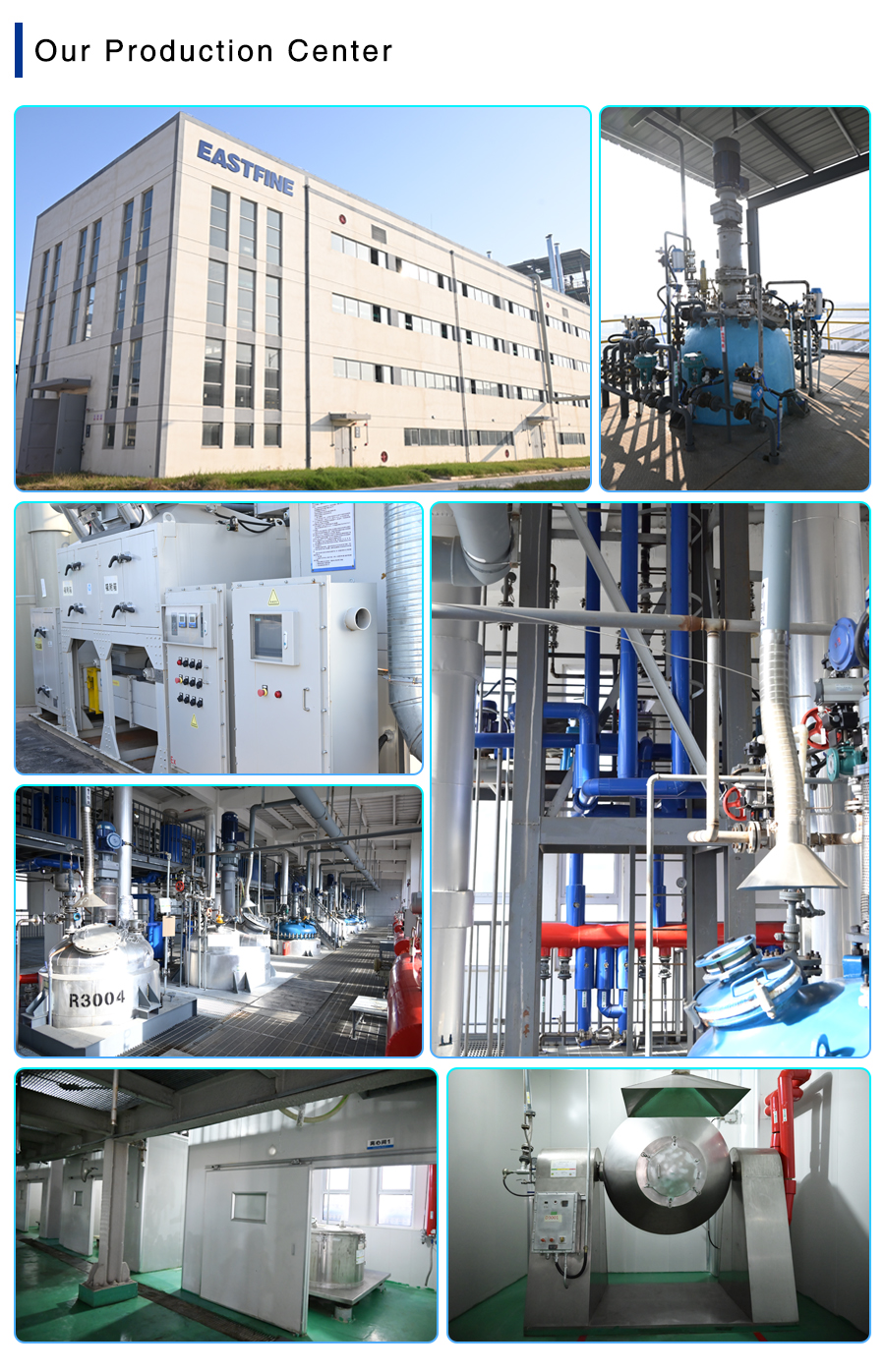
When navigating the challenges of high-strain intermediates, sourcing from a direct chemical producer with deep technical expertise is the most effective way to eliminate operational risk. Established in 1995, EASTFINE has grown into a leading global manufacturer specializing in high-purity pharmaceutical and agrochemical intermediates.
We are not an intermediary or a trading desk; we control the entire manufacturing lineage of our products from raw material intake to final automated packaging. This direct visibility gives our B2B partners total transparency, consistent quality, and long-term price stability.
Intellectual Property and Technical Authority
EASTFINE’s technical leadership is backed by a robust intellectual property portfolio, including 19 invention patents and 8 utility model patents. Our specialized R&D division—led by chemical process engineers with doctoral degrees—focuses continuously on optimizing low-temperature catalytic halogenations and advanced purification methods. This commitment to chemical innovation allows us to synthesize (Bromomethyl)cyclopropane via an optimized route that minimizes the formation of thermal degradation products and rearranged isomers right from the start.
Dual-Site Supply Security (Dalian & Heze)
In a global market frequently disrupted by logistical bottlenecks and tightening environmental compliance regulations, supply chain security is a vital corporate asset. EASTFINE operates two fully synchronized, large-scale production facilities located in Dalian and Heze.
This dual-site operational model provides our clients with built-in supply insurance: if one facility undergoes routine technical upgrades or regulatory maintenance, our second site scales production seamlessly to cover global demand. This infrastructure ensures that your commercial manufacturing lines face zero interruptions.
Global JIT Logistics and Engineered Stabilization
To maintain the structural integrity of our Pharma-Grade CAS 7051-34-5 during international transport, EASTFINE implements a proprietary stabilization matrix that deactivates trace metal ions and neutralizes free acids.
We maintain strategic, climate-controlled inventory reserves at key international transit hubs, including Singapore and Rotterdam. All shipments are continuously blanketed under an inert, high-purity pressurized argon shield, guaranteeing that our European, American, and APAC clients receive flow-ready, ring-preserved intermediates within a 48-hour Just-In-Time (JIT) delivery window.
Verified Product Insights & Analytical Specifications
To facilitate direct integration into automated dosing systems and continuous-flow production lines, EASTFINE provides verified physical and chemical specifications for every batch of our high-purity (Bromomethyl)cyclopropane:
| Physical/Chemical Property | Verified Industrial Specification | Analytical Methodology |
| Assay (GC-FID) | ≥ 99.0% | Gas Chromatography |
| Appearance | Clear, Colorless to Pale Yellow Liquid | Visual Audit |
| 4-Bromo-1-butene Content | ≤ 0.15% | High-Resolution GC |
| Moisture Content (KF) | ≤ 0.05% | Coulometric Karl Fischer |
| Density (20℃) | 1.392 – 1.396 g/cm^3 | Digital Pycnometer |
| Boiling Point Range | 110.0 - 112.5℃ | Automated Distillation |
| Refractive Index | 1.465 – 1.468 | Abbe Refractometer |
| Acid Value | ≤ 0.05 mg KOH/g | Potentiometric Titration |
Conclusion: Securing Your Synthesis Pipeline with Manufacturing Authority
In high-stakes fine chemical manufacturing, using unstable or unverified raw material streams introduces severe operational and financial risks. Isomeric drift in (Bromomethyl)cyclopropane (CAS 7051-34-5) can lead to messy downstream separations, low final yields, and complex regulatory hurdles.
By choosing EASTFINE as your primary direct manufacturer, you secure a premium, stabilized intermediate backed by 30 years of manufacturing authority, robust patent protection, and a highly resilient dual-site supply chain.


 English
 العربية
 Français
 Русский
 Español
 Português
 Deutsch
 italiano
 日本語
日本語 한국어
한국어 Nederlands
 Tiếng Việt
 ไทย
ไทย Polski
 Türkçe
 አማርኛ
አማርኛ ພາສາລາວ
 Bahasa Melayu
 ဗမာစာ
ဗမာစာ Filipino
 Bahasa Indonesia
 magyar
 Română
 Čeština
 қазақ
қазақ Српски
 हिन्दी
 فارسی
فارسی Kiswahili
 Slovenčina
 Slovenščina
 Norsk
Norsk Svenska
 українська
 Ελληνικά
 Suomi
Suomi עברית
עברית Dansk
Dansk اردو
اردو Shqip
Shqip বাংলা
বাংলা Hrvatski
 Gaeilge
 Eesti keel
 Oʻzbekcha
 latviešu
 Azərbaycan dili
 Български
 ქართული
 íslenska
 Lietuvių


 简体中文
简体中文


