Introduction: The Strained Alkylating Agent
In the advanced chemical landscape of 2026, (Bromomethyl)cyclobutane (CAS No. 17247-58-4) has carved out a niche as a high-value building block for specialized pharmaceutical and fine chemical synthesis. Known industrially as Cyclobutylmethyl bromide, this compound is a primary alkyl halide featuring a strained four-membered carbocyclic ring.
The 2026 market demand is driven by the increasing use of cyclobutane motifs in drug design to modulate metabolic stability and lipophilicity. As a versatile "entry point" for introducing the cyclobutyl-methyl scaffold, this intermediate is essential for the production of analgesics, anti-inflammatory agents, and next-generation opioid ligands like Butorphanol.
Product Insights
What is (Bromomethyl)cyclobutane?
This compound is an aliphatic cyclic hydrocarbon characterized by a cyclobutane ring attached to a bromomethyl group. In 2026 synthetic chemistry, it is valued for its ring strain, which imparts unique reactivity compared to larger cycloalkyl halides. The primary bromine atom is an excellent leaving group, making the molecule a potent electrophile for nucleophilic substitution reactions (SN2).
Applications of (Bromomethyl)cyclobutane
Opioid Analog Synthesis:
A critical starting material for the synthesis of Butorphanol and other 17-(cyclobutylmethyl)morphinan derivatives.
Non-Steroidal Anti-Inflammatory Drugs (NSAIDs):
Used as an intermediate to introduce cyclobutyl groups into novel anti-inflammatory scaffolds.
Amino Acid Derivatives:
Essential for the synthesis of racemic 3-cyclobutylalanine.
Proteasome Inhibitors:
Utilized in the biosynthesis of beta-lactone proteasome inhibitors like Salinosporamide A derivatives for multiple myeloma research.
Advantages of (Bromomethyl)cyclobutane
Structural Modulation:
The cyclobutane ring occupies a unique "chemical space," often offering better metabolic stability than open-chain alkyl groups or more strained cyclopropane rings.
Reactive Precision:
The primary nature of the bromide ensures high regioselectivity during alkylation, minimizing the formation of secondary elimination products.
High Lipophilicity:
The carbocyclic ring enhances the LogP of the final API, facilitating better blood-brain barrier penetration in neurological applications.
Biomechanics of Cyclobutyl Substitution
In 2026 drug design, the cyclobutyl-methyl group is used to modify the pharmacokinetic profile of drug candidates. When integrated into morphinan skeletons, the cyclobutyl moiety acts as a hydrophobic "shield" that alters the binding affinity at the mu and kappa opioid receptors. This biomechanical tuning allows for the creation of potent analgesics with a lower potential for respiratory depression and addiction compared to traditional opiates.
Technique of Synthesis: 2026 Industrial Standards
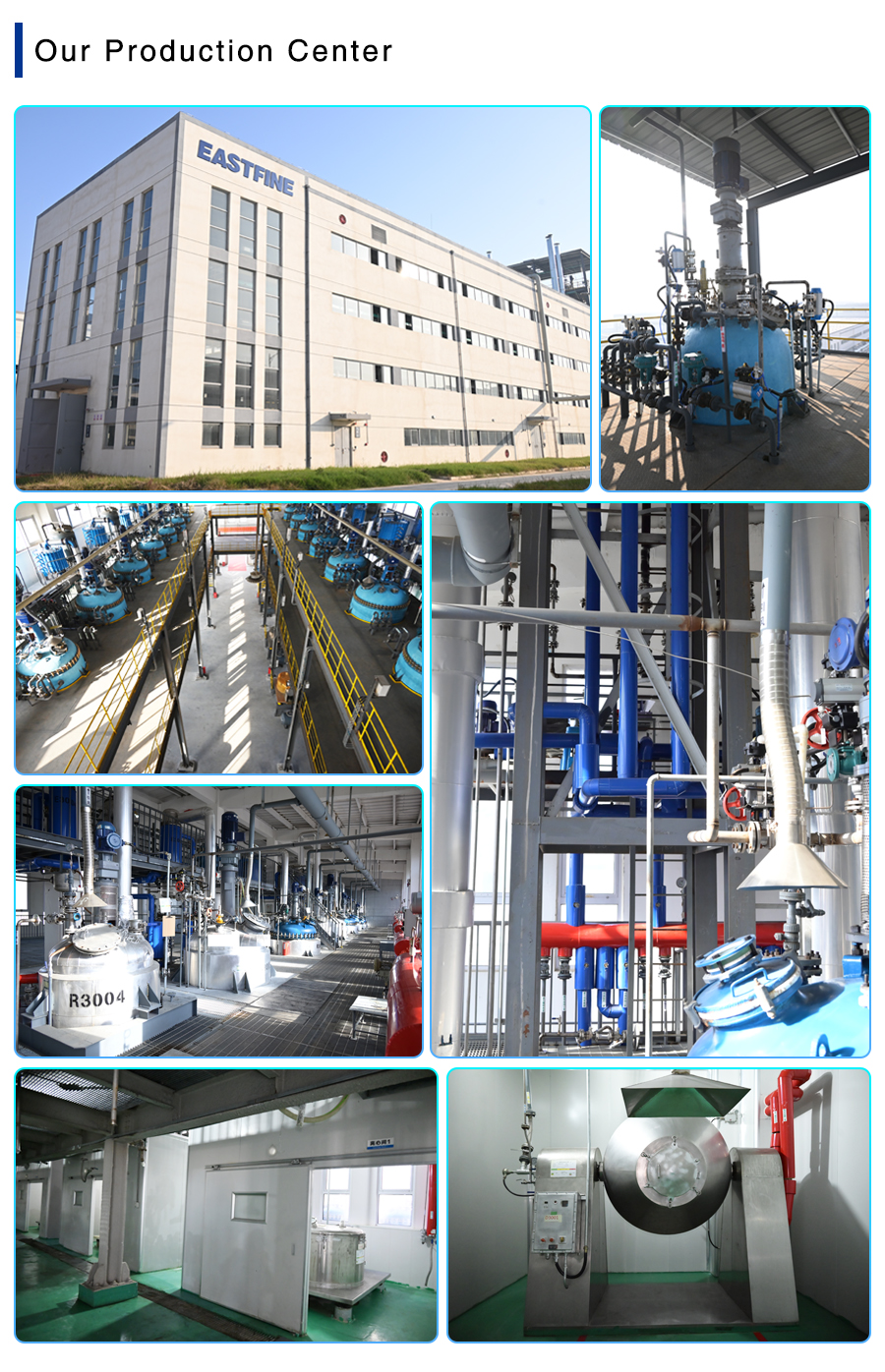
EASTFINE employs a refined bromination process to ensure high isomeric purity:
Alcohol Precursor:
Cyclobutanemethanol is used as the high-purity starting material.
Bromination:
The alcohol is reacted with Phosphorus Tribromide (PBr3) or a Triphenylphosphine/Bromine (PPh3Br2) complex under anhydrous conditions.
Low-Temperature Control:
The reaction is maintained at 0°C to 5°C to prevent the thermal rearrangement of the cyclobutane ring into open-chain isomers.
Fractional Distillation:
The crude liquid is purified via multi-stage fractional distillation to remove residual cyclobutanemethanol and phosphorus by-products.
Handling and Storage
Environmental Stability:
Flammable liquid (Flash point ≈ 41°C). Store in a cool, dark, and well-ventilated area, preferably in a flammables-rated cabinet.
Moisture Protection:
Store under an inert Nitrogen blanket to prevent the formation of hydrobromic acid (HBr).
Packaging:
Typically supplied in 30L PTFE-lined drums or amber glass bottles for small-scale R&D.
Conclusion
(Bromomethyl)cyclobutane (CAS 17247-58-4) remains a vital structural tool in the 2026 pharmaceutical arsenal. Its role in synthesizing complex analgesics and anti-inflammatory drugs highlights its importance in addressing global health challenges with surgical chemical precision.
The Growing Demand (Market/Application)
The market for cyclic alkyl halides is experiencing a 5.4% CAGR in 2026. This growth is driven by the "Cyclo-Substitution Trend" in medicinal chemistry, where researchers replace traditional propyl or butyl groups with cyclobutyl rings to improve the metabolic half-life of oral medications.
Why is This Compound Industrially Critical?
The 2026 challenge is Ring Stability. At elevated temperatures, (Bromomethyl)cyclobutane can undergo ring-opening rearrangements. EASTFINE’s specialized low-temperature vacuum distillation ensures that our product maintains its cyclic integrity, providing a 99% pure cyclobutyl structure with zero open-chain contaminants.
Key Supplier Selection Criteria
GC Purity:
Minimum 98.0% to ensure high-yield alkylation.
Acidity Control:
Trace HBr must be minimized to prevent corrosion of stainless-steel reactors.
Refractive Index Verification:
A standard 2026 check to ensure consistent batch density and purity.
Top 5 Manufacturers: 2026 Global List
1. EASTFINE (Featured Chinese Industry Leader)
EASTFINE is the premier featured manufacturer for CAS 17247-58-4. We lead the 2026 market through:

Specialized Production:
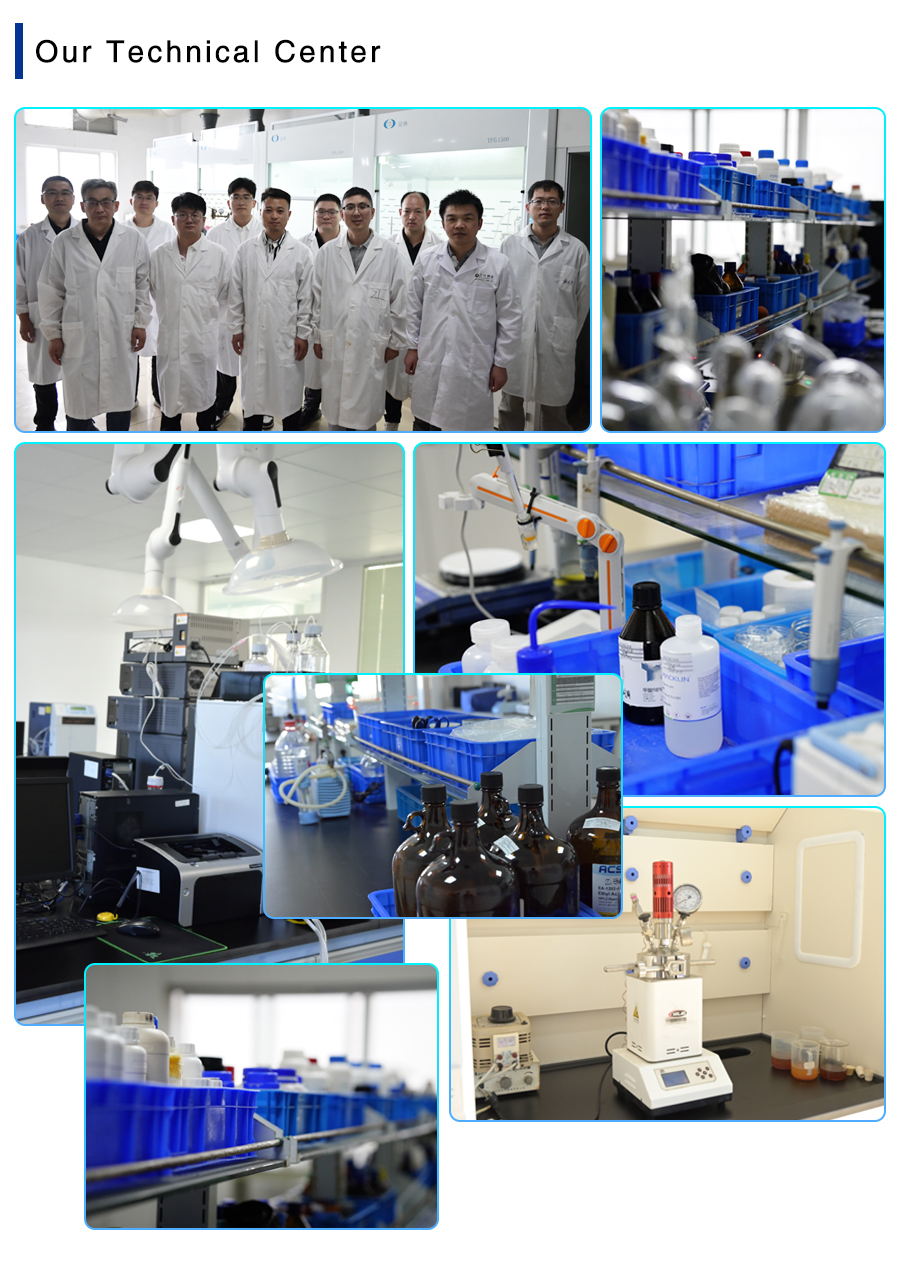
Our dedicated Kilo-Lab and pilot facilities allow for seamless scaling from grams to metric tons.
Quality Assurance:
Every batch undergoes rigorous GC and NMR analysis to guarantee the 2026 "Agro-Pharma" standard.
Global Logistics:
Our 2026 supply chain is optimized for rapid delivery to the US, EU, and India with full 30L PTFE drum support.
2. Thermo Scientific Chemicals (Global)
A primary global source for high-purity (99%) reagents, originally inheriting the legacy of the Acros Organics portfolio.
3. TCI America (USA/Japan)
A renowned supplier of high-precision building blocks, providing 98%+ purity (Bromomethyl)cyclobutane specifically for medicinal chemistry labs.
4. Matrix Fine Chemicals (Switzerland)
A leading non-Chinese European manufacturer specializing in high-end alkyl halides and aromatic heterocycles for the Swiss and EU pharmaceutical sectors.
5. Ottokemi (India)
A major supplier in the Indian market, providing 97%+ purity building blocks for the massive generic pharmaceutical hubs in Hyderabad and Mumbai.
Why Choose EASTFINE?
Choosing EASTFINE means choosing reliability in the 2026 specialty chemical market. As the only featured Chinese manufacturer on our list, we bridge the gap between industrial capacity and the precision required for complex drug synthesis. Our (Bromomethyl)cyclobutane is the most trusted choice for manufacturers who value professional, honest, and high-performance intermediates.
Conclusion
(Bromomethyl)cyclobutane (CAS 17247-58-4) is a testament to the power of structural chemistry in 2026. By providing a stable, reactive, and versatile cyclobutyl source, it enables the development of medications that are more effective and safer for patients. At EASTFINE, we are proud to be the foundation upon which these medical breakthroughs are built.


 English
 العربية
 Français
 Русский
 Español
 Português
 Deutsch
 italiano
 日本語
日本語 한국어
한국어 Nederlands
 Tiếng Việt
 ไทย
ไทย Polski
 Türkçe
 አማርኛ
አማርኛ ພາສາລາວ
 Bahasa Melayu
 ဗမာစာ
ဗမာစာ Filipino
 Bahasa Indonesia
 magyar
 Română
 Čeština
 қазақ
қазақ Српски
 हिन्दी
 فارسی
فارسی Kiswahili
 Slovenčina
 Slovenščina
 Norsk
Norsk Svenska
 українська
 Ελληνικά
 Suomi
Suomi עברית
עברית Dansk
Dansk اردو
اردو Shqip
Shqip বাংলা
বাংলা Hrvatski
 Gaeilge
 Eesti keel
 Oʻzbekcha
 latviešu
 Azərbaycan dili
 Български
 ქართული
 íslenska
 Lietuvių


 简体中文
简体中文


