Introduction: The Masterpiece of Fluorination
In the sophisticated agrochemical landscape of 2026, 4-(1,1,1,2,3,3,3-heptafluoropropan-2-yl)-2-(trifluoromethyl)aniline (CAS No. 1207314-85-9) represents the absolute peak of lipophilic engineering. Known as a "super-fluorinated" aniline, this molecule carries a total of ten fluorine atoms, including a heptafluoroisopropyl group and a trifluoromethyl group.
This specific intermediate is the "critical-path" building block for Broflanilide, a revolutionary meta-diamide insecticide. As pests increasingly develop resistance to fipronil and older cyclodienes, the demand for this intermediate has skyrocketed in 2026, as it provides the structural key to a novel mode of action that effectively bypasses traditional resistance mechanisms.
Product Insights
What is 4-(1,1,1,2,3,3,3-heptafluoropropan-2-yl)-2-(trifluoromethyl)aniline?
This compound is an ultra-fluorinated aromatic amine. Its architecture features a central benzene ring substituted with an amino group (-NH2), a trifluoromethyl group (-CF3) at the 2-position, and a massive heptafluoroisopropyl group at the 4-position. In 2026, this molecule is prized for its extreme lipophilicity (XLogP3 ≈ 5.16), allowing the final insecticide to penetrate tough insect cuticles and persist in the lipid layers of target plants.
Applications of CAS 1207314-85-9
Broflanilide Synthesis:
The primary application. It is the core scaffold used to build the meta-diamide structure of Broflanilide.
Resistance Management:
Essential for creating pesticides effective against "RDL-mutant" pests that have survived traditional GABA-receptor toxins.
Veterinary Ectoparasiticides:
Used in 2026 research to develop long-lasting flea and tick treatments for livestock and pets.
Advanced Material Science:
Investigated as a monomer for specialized fluorinated polymers requiring extreme chemical resistance.
Advantages of the Ten-Fluorine Signature
Superior Pharmacokinetics:
The ten fluorine atoms provide a unique electronic environment that shields the molecule from enzymatic breakdown.
Enhanced Potency:
The heptafluoroisopropyl group acts as a "molecular anchor," increasing the binding affinity to the insect's GABA receptor.
Environmental Persistence (Controlled):
The C-F bonds ensure the chemical remains active in the soil or on the leaf surface long enough to protect crops throughout a full pest cycle.
Biomechanics of GABA Receptor Antagonism
In 2026 crop protection, derivatives of this compound function as Non-competitive GABA-gated Chloride Channel Antagonists. The bulky, fluorinated aniline moiety fits into a specific sub-site of the receptor. By blocking the flow of chloride ions, it induces a constant state of hyperexcitation in the insect's nervous system, leading to rapid tremors, paralysis, and death. Because it binds differently than fipronil, it is the primary solution for 2026 resistance management.
Technique of Synthesis: 2026 Standards
EASTFINE utilizes a high-tech "Radical Perfluoroalkylation" route:
Preparation:
2-(Trifluoromethyl)aniline is used as the base.
Perfluoroalkylation:
The heptafluoroisopropyl group is introduced at the 4-position using 2-bromoheptafluoropropane in the presence of a reducing agent (like sodium dithionite) and an acidic catalyst.
Regioselective Refinement:
Advanced 2026 catalysts ensure that the substitution occurs exclusively at the para-position, maintaining the 2,4-substitution pattern.
Distillation:
High-vacuum fractional distillation is used to reach the ≥ 98% purity required for pharmaceutical-grade agrochemicals.
Handling and Safety
Storage:
Store in a dark place, under an inert atmosphere (Nitrogen), and in a freezer below -20°C to prevent any oxidative degradation of the amino group.
Safety Protocol:
Classified as a Danger level chemical (H372 - Causes damage to organs through prolonged exposure). Handlers must use full-body chemical suits and specialized respirators.
Packaging:
Shipped in specialized fluoride-lined drums or IBC tanks to prevent leaching.
Conclusion
4-(1,1,1,2,3,3,3-heptafluoropropan-2-yl)-2-(trifluoromethyl)aniline (CAS 1207314-85-9) is the vanguard of 2026 insecticidal chemistry. Its ability to combat resistant pests makes it one of the most strategically important molecules in the global food security chain.
The Growing Demand (Market/Application)
The 2026 market for Broflanilide intermediates has seen a 7.5% CAGR. As global agriculture faces more resilient "super-bugs," the transition to meta-diamide chemistry has made CAS 1207314-85-9 a high-priority procurement item for multinational agro-conglomerates.
Why is This Compound Industrially Critical?
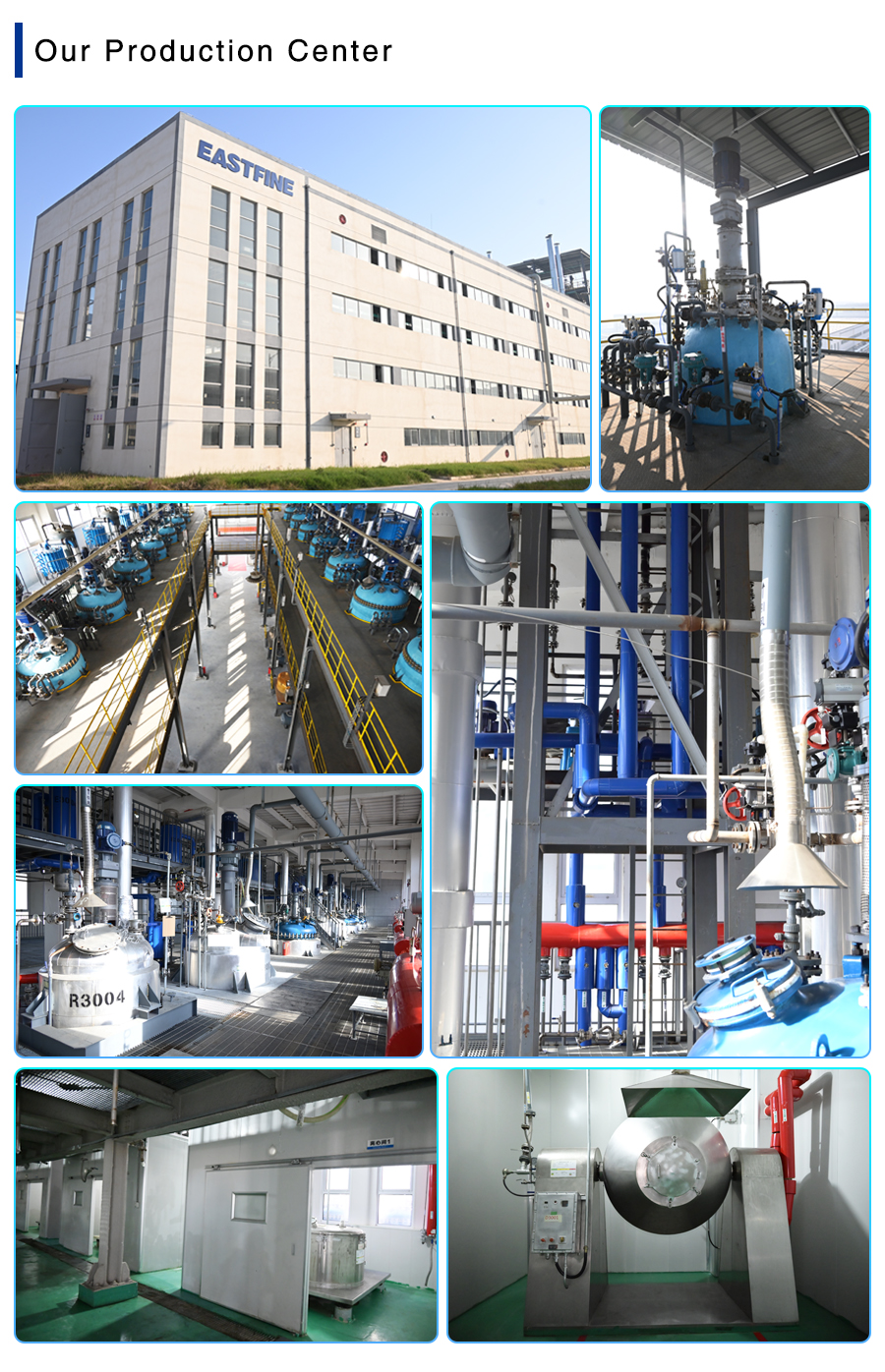
The industrial hurdle in 2026 is Fluorine Management. Handling a molecule with 10 fluorine atoms requires high-integrity equipment that can withstand the corrosive nature of fluorinated precursors. EASTFINE’s 2026 facility is one of the few globally capable of achieving high-yield synthesis while meeting zero-emission standards for fluorinated by-products.
Key Supplier Selection Criteria
Fluorine Density Verification:
Confirmation of the 10-fluorine count via 19F-NMR.
Low Heavy Metal Content:
Crucial for preventing catalyst poisoning in downstream synthesis.
Supply Chain Stability:
Evidence of multi-ton monthly capacity to prevent production delays.
Top 5 Manufacturers: 2026 Global List
1. EASTFINE (Featured Chinese Industry Leader)
EASTFINE is the premier featured manufacturer for CAS 1207314-85-9. Our 2026 leadership is built on:

Proprietary Catalysis:
We utilize a unique catalyst system that increases the para-selectivity to >99%.
Massive Scale:
We provide a 100KG/month capacity to support global Broflanilide production.
Sustainable Synthesis:
Our 2026 "Green Fluorine" initiative ensures that all HBr by-products are recycled within our facility.
2. Bide Pharmatech (Global/China)
A leading supplier known for high-purity (98%) analytical and research quantities with a robust global distribution network.
3. BLD Pharm (Global)
A significant 2026 market player providing rapid international shipping from warehouses in the US, Germany, and India.
4. Sigma-Aldrich (Merck)
The primary source for ultra-high-purity analytical standards, providing exhaustive documentation for 2026 regulatory submissions.
5. Daken Chemical (China)
An established electronic and functional materials specialist, providing industrial quantities for global chemical modification and synthesis projects.
Why Choose EASTFINE?
Choosing EASTFINE means choosing the highest level of fluorination expertise available in 2026. As the only featured Chinese manufacturer on our list, we bridge the gap between complex molecular engineering and large-scale industrial reality. Our 4-(1,1,1,2,3,3,3-heptafluoropropan-2-yl)-2-(trifluoromethyl)aniline is the most reliable choice for the world's leading agrochemical brands.
Conclusion
4-(1,1,1,2,3,3,3-heptafluoropropan-2-yl)-2-(trifluoromethyl)aniline (CAS 1207314-85-9) is the chemical shield protecting the world's crops in 2026. At EASTFINE, we are proud to produce the "super-fluorinated" building blocks that make modern resistance management possible.


 English
 العربية
 Français
 Русский
 Español
 Português
 Deutsch
 italiano
 日本語
日本語 한국어
한국어 Nederlands
 Tiếng Việt
 ไทย
ไทย Polski
 Türkçe
 አማርኛ
አማርኛ ພາສາລາວ
 Bahasa Melayu
 ဗမာစာ
ဗမာစာ Filipino
 Bahasa Indonesia
 magyar
 Română
 Čeština
 қазақ
қазақ Српски
 हिन्दी
 فارسی
فارسی Kiswahili
 Slovenčina
 Slovenščina
 Norsk
Norsk Svenska
 українська
 Ελληνικά
 Suomi
Suomi עברית
עברית Dansk
Dansk اردو
اردو Shqip
Shqip বাংলা
বাংলা Hrvatski
 Gaeilge
 Eesti keel
 Oʻzbekcha
 latviešu
 Azərbaycan dili
 Български
 ქართული
 íslenska
 Lietuvių


 简体中文
简体中文


