You are here: Home » Blog » Occupational Safety and Industrial Protocol: Handling 2-Methyl-4-heptafluoroisopropylaniline (CAS 238098-26-5)
Occupational Safety and Industrial Protocol: Handling 2-Methyl-4-heptafluoroisopropylaniline (CAS 238098-26-5)
Views: 0 Author: Site Editor Publish Time: 2026-03-06 Origin: Site
The Safety Landscape of Fluorinated Anilines in 2026
In the industrial synthesis of modern crop protection agents—most notably the revolutionary class of Diamide insecticides—2-Methyl-4-heptafluoroisopropylaniline (CAS 238098-26-5) serves as a vital structural block. However, the very features that make it chemically effective (the electron-withdrawing heptafluoroisopropyl group and the reactive aniline amine) also necessitate rigorous safety management.
Fluorinated anilines are characterized by high lipophilicity and potential systemic toxicity. In 2026, as global regulatory bodies like ECHA and the EPA implement stricter "Right-to-Know" mandates, maintaining a gold-standard safety protocol for CAS 238098-26-5 is not just a moral obligation but a prerequisite for industrial operations. This briefing outlines the specialized handling, containment, and emergency measures required for this high-value fluorinated intermediate.
Product Insights: The Chemical Intelligence
What is this Molecule?
CAS 238098-26-5 is a substituted aromatic amine with the molecular formula C10H10F7N. It presents typically as a light-colored liquid or low-melting solid. The presence of the heptafluoroisopropyl group (-CF(CF3)2) significantly alters the electronic density of the benzene ring compared to standard aniline, affecting both its reactivity and its toxicological profile.
Applications and Exposure Risks
The primary industrial application involves the synthesis of ryanodine receptor modulators. Exposure risks are highest during:
Bulk Transfer:
Risk of aerosolization or splashing.
Reactor Charging:
Potential for vapor inhalation if local exhaust ventilation (LEV) is inadequate.
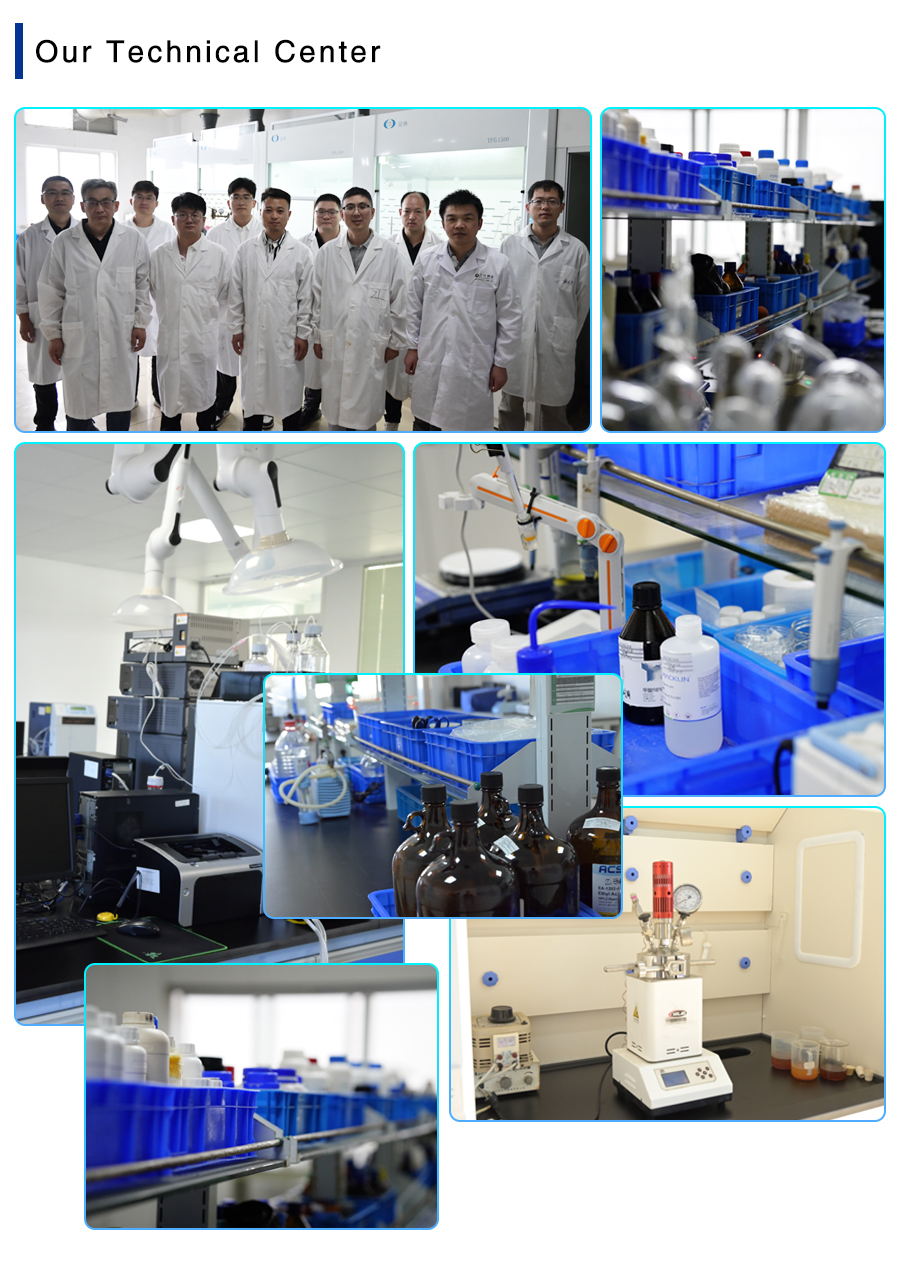
Sampling & Analysis:
Skin contact during high-precision quality control procedures.
Toxicology and Biomechanics of Exposure
The biomechanics of aniline toxicity are well-documented, but the fluorinated side chain in CAS 238098-26-5 adds complexity.
Methemoglobinemia:
Like most aromatic amines, it may interfere with the blood's ability to carry oxygen.
Dermal Absorption:
The fluorinated tail increases lipophilicity, meaning the compound can penetrate standard nitrile gloves over extended periods if not monitored.
Environmental Persistence:
The C-F bonds are exceptionally strong, requiring specialized waste-stream management to prevent environmental accumulation.
Engineering Controls for Safety
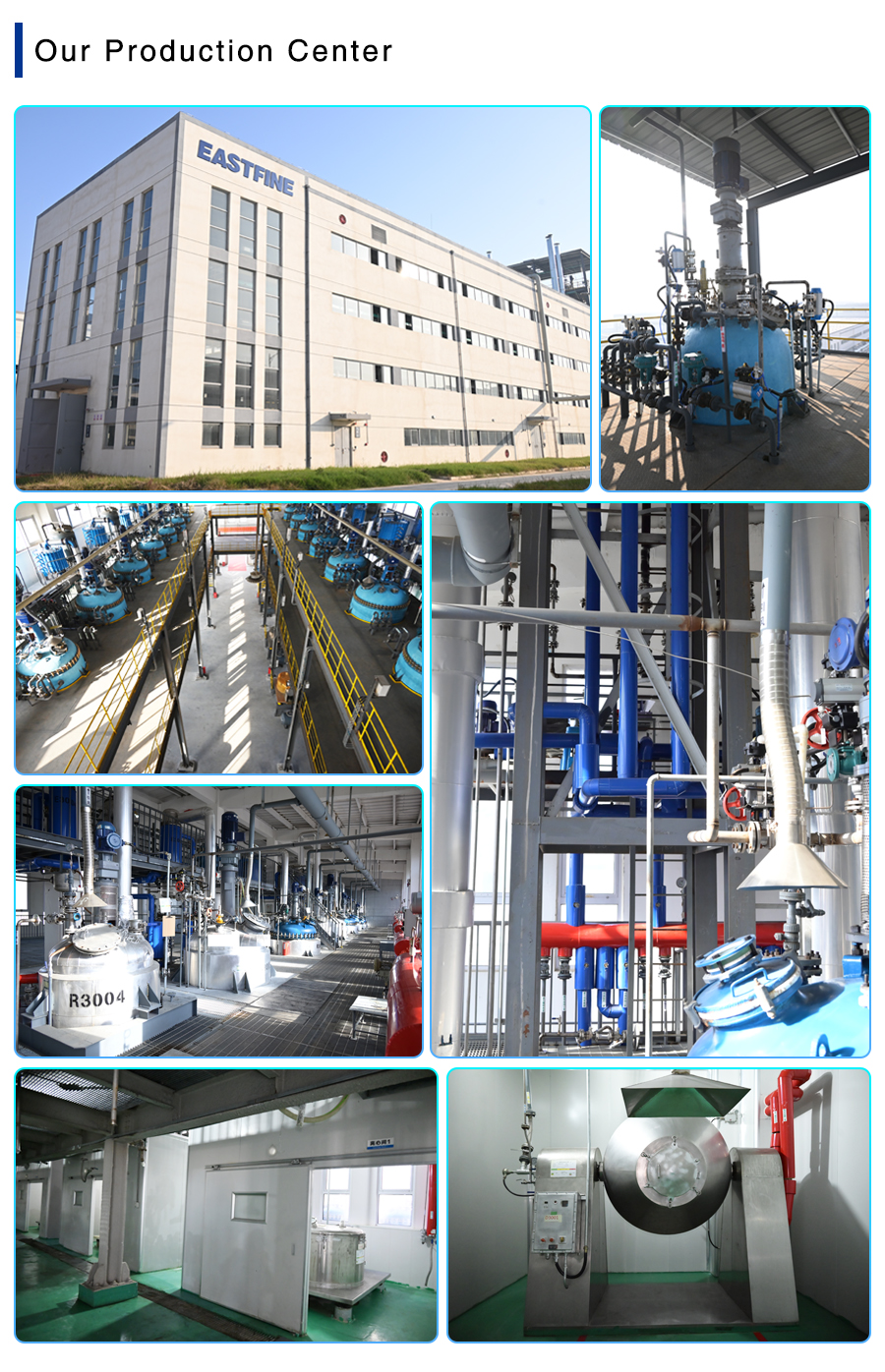
In 2026, "Safety by Design" is the standard at EASTFINE. We recommend the following engineering hierarchy:
Closed-Loop Systems:
Transferring CAS 238098-26-5 via vacuum or canned motor pumps to eliminate open-air exposure.
Advanced LEV:
Utilizing specialized chemical fume hoods with a face velocity of at least 0.5 m/s.
Inert Blanketing:
Since the aniline group can oxidize over time (turning the product dark), nitrogen blanketing is used both for product quality and to reduce the risk of vapor buildup.
Personal Protective Equipment (PPE) Protocol
Standard PPE is insufficient for 2-Methyl-4-heptafluoroisopropylaniline. We mandate:
Respiratory Protection:
A multi-gas vapor respirator (NIOSH approved) if working outside a fume hood.
Hand Protection:
Multi-layer laminate gloves (e.g., Silver Shield) rather than simple thin-mil nitrile.
Eye Protection:
Chemical splash goggles combined with a full-face shield during high-pressure transfers.
Emergency Procedures & Waste
Skin Contact:
Immediate irrigation with tepid water for 15 minutes. Use of a specialized "Aniline Decontamination Kit" if available.
Spill Management:
Use of inert absorbents (vermiculite). Avoid the use of combustible materials.
Disposal:
Must be disposed of via high-temperature incineration in a facility equipped with scrubbers to handle hydrogen fluoride (HF) byproducts generated from the fluorinated chain.
Safety Specification Table
Category
Protocol Requirement
GHS Classification
Acute Tox 4 (Oral), Skin Irrit. 2, Eye Irrit. 2
Vapor Pressure
Low (but increases significantly above 50°C)
Flash Point
>100°C (Typical for fluorinated aromatics)
Standard Handling
Use under Nitrogen atmosphere; avoid UV light
Decontamination
Dilute Acetic Acid or specialized amine neutralizers
Advantages of EASTFINE: Your Partner in Fluorinated Safety
When sourcing a high-potency intermediate like 2-Methyl-4-heptafluoroisopropylaniline (CAS 238098-26-5), the safety data provided by your manufacturer is as critical as the purity of the chemical itself. EASTFINE sets the 2026 benchmark for industrial responsibility:
Comprehensive SDS Documentation:
We provide GHS-compliant Safety Data Sheets that include specific 2026 toxicological data for fluorinated branched-chain anilines.
Purity as a Safety Feature:
By ensuring an assay of > 99%, we minimize the presence of unknown byproducts or residual isomers, making your safety risk assessment predictable and manageable.
Specialized Logistics:
Our 238098-26-5 is shipped in UN-rated, fluorinated-PE or stainless steel containers designed to prevent leaching and ensure container integrity during long-distance transit.
Professional Collaboration:
EASTFINE offers technical safety consultations. Our engineers can provide guidance on reactor compatibility and gasket materials (e.g., PTFE/FFKM) to prevent leaks in your production line.
Conclusion
Safely managing CAS 238098-26-5 requires a deep understanding of its unique fluorinated chemistry. By combining rigorous engineering controls with high-purity material from a trusted partner like EASTFINE, you ensure that your production of advanced agrochemicals remains efficient, compliant, and—above all—safe for your workforce.


 English
 العربية
 Français
 Русский
 Español
 Português
 Deutsch
 italiano
 日本語
日本語 한국어
한국어 Nederlands
 Tiếng Việt
 ไทย
ไทย Polski
 Türkçe
 አማርኛ
አማርኛ ພາສາລາວ
 Bahasa Melayu
 ဗမာစာ
ဗမာစာ Filipino
 Bahasa Indonesia
 magyar
 Română
 Čeština
 қазақ
қазақ Српски
 हिन्दी
 فارسی
فارسی Kiswahili
 Slovenčina
 Slovenščina
 Norsk
Norsk Svenska
 українська
 Ελληνικά
 Suomi
Suomi עברית
עברית Dansk
Dansk اردو
اردو Shqip
Shqip বাংলা
বাংলা Hrvatski
 Gaeilge
 Eesti keel
 Oʻzbekcha
 latviešu
 Azərbaycan dili
 Български
 ქართული
 íslenska
 Lietuvių


 简体中文
简体中文