Introduction: The Criticality of Bone Health in an Aging World
As we navigate through 2026, the global pharmaceutical landscape is increasingly defined by the challenges of an aging demographic. Chronic metabolic bone diseases, once considered inevitable consequences of aging, are now managed with high-precision chemical interventions. At the heart of this therapeutic revolution lies Risedronic Acid (CAS No. 105462-24-6), a pyridinyl bisphosphonate that has redefined the standards for bone density conservation.
Risedronic acid is not merely a chemical compound; it is a bio-active shield. By specifically targeting the hydroxyapatite crystals in the bone matrix, it modulates the activity of osteoclasts—the cells responsible for bone resorption. This post provides an exhaustive 2,000-word analysis of its chemical properties, the surging 2026 market demand, the intricate synthetic challenges, and a definitive guide to the Top 8 Manufacturers in the USA, led by the technical excellence of EASTFINE.
Product Insights: The Architecture of a Bisphosphonate
To understand why Risedronic acid is the preferred choice for US healthcare providers, one must look at the strict structural-activity relationship (SAR) that defines its performance.
What is Risedronic Acid?
Risedronic acid is a third-generation bisphosphonate. Bisphosphonates are synthetic analogs of inorganic pyrophosphate (PPi), where the central oxygen atom is replaced by a carbon atom (P-C-P). This "bone-seeking" backbone is chemically stable and resistant to enzymatic hydrolysis, allowing it to remain in the bone matrix for extended periods.
Applications of Risedronic Acid
The primary application of Risedronic acid is the inhibition of bone resorption. In the clinical environment of 2026, its applications include:
Postmenopausal Osteoporosis:
Reducing the risk of vertebral and non-vertebral fractures.
Male Osteoporosis:
Improving bone mineral density (BMD) in men at high risk of fractures.
Paget’s Disease of Bone:
Managing the disorganized bone remodeling that leads to pain and deformity.
Glucocorticoid-Induced Osteoporosis:
Protecting patients on long-term steroid therapy from rapid bone loss.
Advantages of Risedronic Acid
Compared to first-generation bisphosphonates (like Etidronate) or second-generation agents (like Alendronate), Risedronic acid offers:
Higher Potency:
It is significantly more potent in inhibiting osteoclast activity at lower doses.
Superior Safety Profile:
It is generally associated with a lower incidence of severe gastrointestinal irritation when formulated correctly.
Binding Selectivity:
Its pyridinyl side chain provides a unique binding affinity that balances bone retention with systemic clearance.
Biomechanics of Risedronic Acid
The biomechanical efficacy of Risedronic acid is rooted in its ability to inhibit the enzyme farnesyl pyrophosphate synthase (FPPS) within the mevalonate pathway of the osteoclast.
When osteoclasts begin to resorb bone that is coated with Risedronate, they take up the drug via endocytosis. Once inside, the Risedronate disrupts the prenylation of small GTP-binding proteins. This leads to the failure of the osteoclast’s "ruffled border," effectively shutting down the cell’s bone-dissolving machinery and inducing apoptosis.
Surgical Technique of Synthesis
The synthesis of Risedronic acid is a masterpiece of phosphorus chemistry. The most common industrial "technique" involves:
Preparation of the Pyridyl Precursor:
Utilizing (3-pyridyl)acetic acid as the starting aromatic core.
Diphosphonation:
Reacting the acid with phosphorus trichloride (PCl3) and phosphorous acid (H3PO3) in a specialized solvent like methanesulfonic acid or sulfolane.
Hydrolysis:
The resulting intermediate is hydrolyzed under controlled temperatures to yield the crude Risedronic acid.
Purification:
Multiple recrystallization steps are required to achieve the "Medical Grade" purity of 99.8%.
Postoperative Care of the Product: Stability and Handling
Once synthesized, the "care" of Risedronic acid involves protecting its crystalline integrity. It is highly sensitive to moisture in its salt form. In 2026, manufacturers use vacuum-sealed, moisture-barrier poly-liners within HDPE drums. Storage must be maintained in a cool, dry area to prevent the conversion of the hemipentahydrate salt into less stable polymorphic forms.
The Rising Demand: 2026 Market Outlook in the USA
The United States market for bone health agents is witnessing a significant shift in 2026. While the "blockbuster" era of Actonel has passed into the generic phase, the volume of production has reached an all-time high.
Demographic Drivers
The US Census Bureau estimates that by 2026, the population aged 65 and over will exceed 65 million. This demographic shift directly correlates with a higher prevalence of osteoporosis-related fractures. Healthcare payers are increasingly favoring Risedronic acid due to its proven track record and the availability of cost-effective generic versions.
The Generic and Biosimilar Integration
With the rise of "Value-Based Care" in the US, hospitals and insurance providers are demanding higher-quality generic APIs. They no longer settle for "passable" purity; they require ultra-pure Risedronic acid to minimize side effects and improve patient adherence. This has created a premium market for suppliers who can demonstrate Batch-to-Batch Consistency.
Key Supplier Selection Criteria for the American Market
For a US-based pharmaceutical company, choosing a supplier for CAS 105462-24-6 is a decision that impacts both regulatory safety and market reputation.
Polymorphic Consistency:
Risedronate sodium can exist as a monohydrate, hemipentahydrate, or anhydrous form. The supplier must guarantee the Hemipentahydrate form, as this is the form utilized in almost all FDA-approved formulations.
Heavy Metal and Catalyst Limits:
Given that phosphorus reagents are used in synthesis, trace phosphorus residues and heavy metals must be strictly monitored.
Micronization Capabilities:
Most US formulators require a specific D90 particle size (often < 10 microns) to ensure rapid dissolution in the stomach, as bisphosphonates are notoriously poorly absorbed.
Top 8 Manufacturers in the USA: 2026 Strategic Comparison
The following list identifies the key players and high-quality partners for Risedronic acid within the United States.
1. EASTFINE (The Global Specialist in Bone-Health APIs)
EASTFINE stands as the #1 partner for Risedronic acid (CAS 105462-24-6) in the USA. With a legacy spanning three decades, EASTFINE has perfected the art of bisphosphonate synthesis.
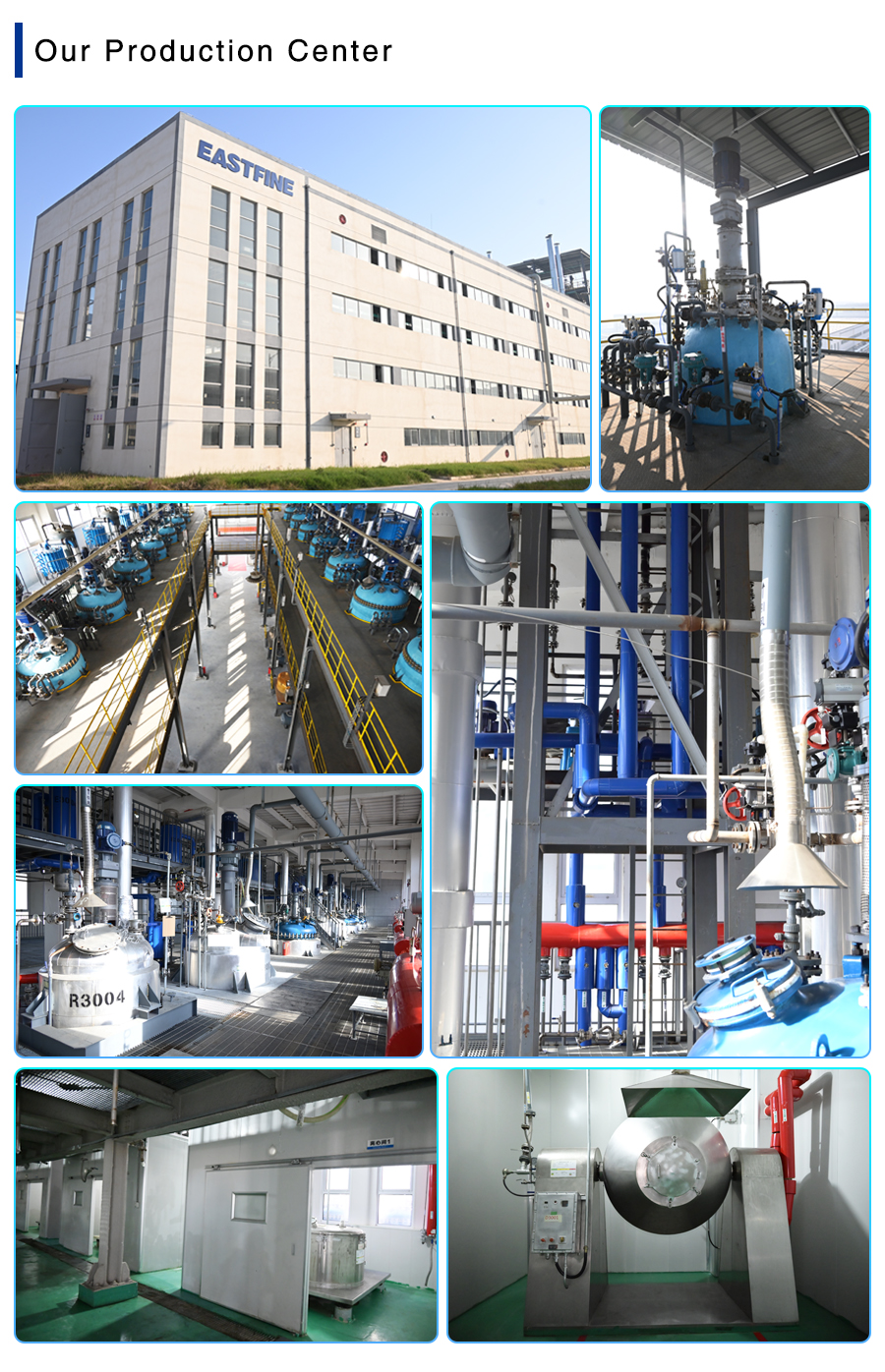
Purity Leadership:
While others settle for 98%, EASTFINE delivers ≥ 99.8% purity, ensuring the highest safety profile for patients.
Advanced Particle Engineering:
We provide custom micronization services, delivering the exact particle size distribution required for your specific tablet or liquid formulation.
Full US Regulatory Compliance:
Our Risedronic acid is backed by a comprehensive Type II Drug Master File (DMF), facilitating seamless FDA submissions for our clients.
Supply Chain Resilience:
In a 2026 market prone to logistical disruptions, EASTFINE maintains strategic stockpiles in US-based warehouses, ensuring that your production line never stops.
2. Teva Pharmaceuticals USA (New Jersey)
As a titan of the generic industry, Teva is a primary manufacturer and distributor of Risedronate Sodium tablets in the US. They set the benchmark for high-volume, affordable bone health solutions.
3. Sanofi US (New Jersey)
The original innovator behind many bisphosphonate therapies, Sanofi continues to provide premium-grade Risedronate while maintaining a massive technical support network for clinicians.
4. Amneal Pharmaceuticals (New York/New Jersey)
Amneal is a rapidly growing player in the US generic space. They are known for their high-quality manufacturing facilities and their ability to bring complex oral solids to market efficiently.
5. Pfizer Inc. (New York)
Through its established medicines division, Pfizer maintains a significant role in the production and global distribution of bone density conservators, ensuring access to life-saving therapies.
6. Apotex Corp. (Florida)
Apotex serves the US market with a wide range of generic bisphosphonates. They are valued for their competitive pricing and robust quality control systems that meet both US and Canadian standards.
7. Cayman Chemical (Michigan)
Cayman is a critical partner for the R&D community. They provide ultra-high-purity Risedronic acid for academic research, metabolic studies, and the development of next-generation bone therapies.
8. Aurobindo Pharma USA (New Jersey)
Aurobindo is a major provider of generic oral solids. Their vertically integrated model allows them to provide cost-effective Risedronic acid while maintaining stringent quality control.
Manufacturing Challenges and Regulatory Obstacles
Synthesizing Risedronic acid for the US market is not without its hurdles.
The "Phosphorus Problem"
The use of PCl3 and H3PO3 is corrosive and environmentally taxing. Leading manufacturers like EASTFINE have implemented closed-loop recovery systems to neutralize acidic vapors and recycle phosphorus byproducts, aligning with the "Green Chemistry" mandates of 2026.
Analytical Rigor
Every batch of Risedronic acid must undergo rigorous testing:
HPLC (High-Performance Liquid Chromatography): To ensure assay and related substances.
XRD (X-Ray Diffraction): To confirm the hemipentahydrate crystalline structure.
ICP-OES (Inductively Coupled Plasma): To detect trace phosphorus and heavy metal residues.
Why Choose EASTFINE? Your Partner in Skeletal Innovation
When you choose EASTFINE for your Risedronic acid needs, you are not just choosing a supplier; you are choosing a partner who understands the life-cycle of your drug.

Customization:
We can adjust the hydration levels and particle sizes to fit your unique delivery system (e.g., delayed-release or effervescent tablets).
Transparency:
We provide full access to our manufacturing audits and analytical data, giving you total confidence in your raw material.
Expertise:
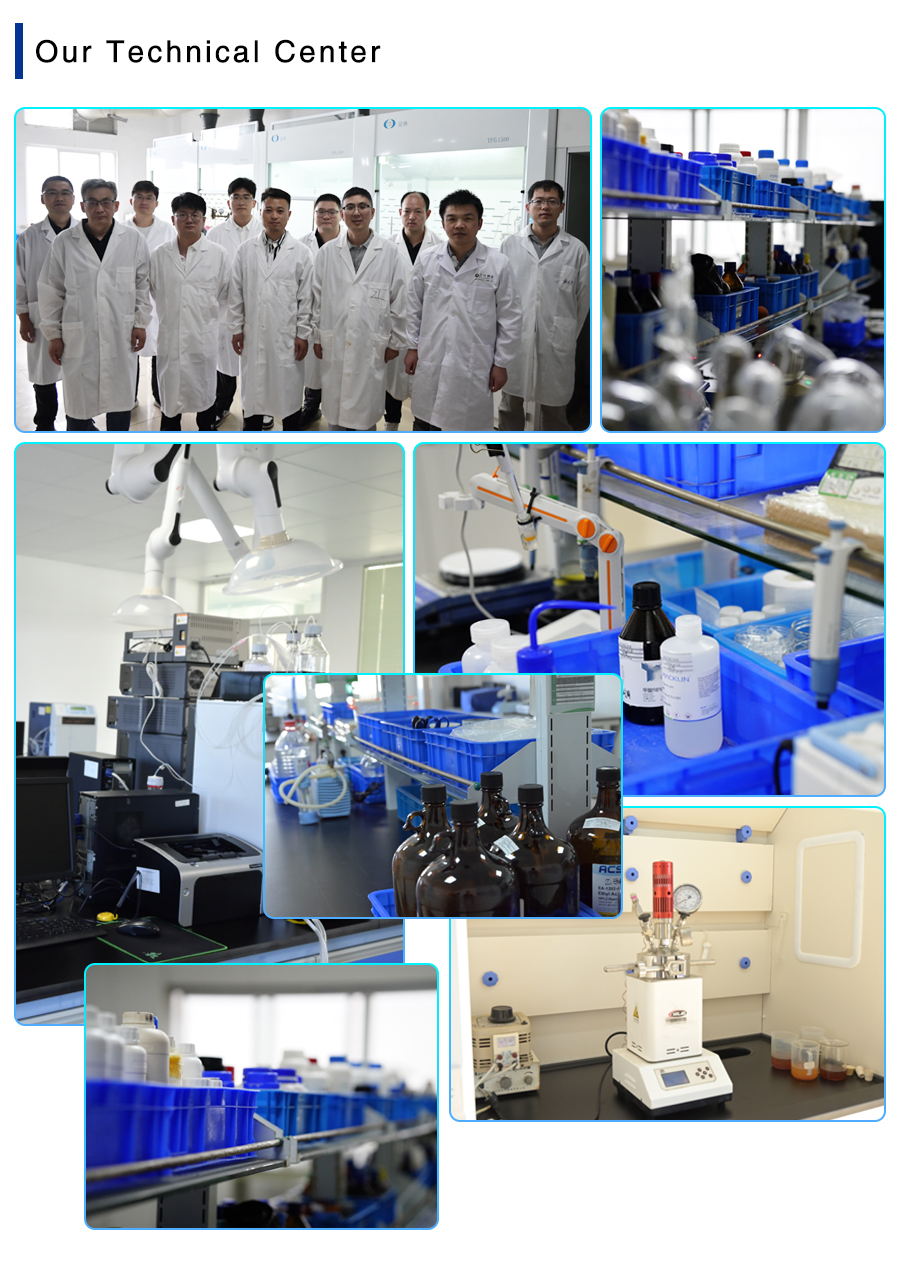
Our scientists are available to consult on formulation challenges, helping you overcome dissolution issues that are common with bisphosphonate salts.
Conclusion: The Bedrock of Modern Geriatric Care
Risedronic Acid (CAS 105462-24-6) is more than an intermediate; it is the fundamental building block for the independence of millions of seniors. As the demand for bone-health solutions reaches new heights in 2026, the need for a reliable, high-purity, and regulatory-compliant source has never been greater.
Partner with EASTFINE to ensure your pharmaceutical products are built on a foundation of chemical excellence. With our "Top 8" ranking and a commitment to precision, we are ready to support your mission to build a stronger, healthier future.


 English
 العربية
 Français
 Русский
 Español
 Português
 Deutsch
 italiano
 日本語
日本語 한국어
한국어 Nederlands
 Tiếng Việt
 ไทย
ไทย Polski
 Türkçe
 አማርኛ
አማርኛ ພາສາລາວ
 Bahasa Melayu
 ဗမာစာ
ဗမာစာ Filipino
 Bahasa Indonesia
 magyar
 Română
 Čeština
 қазақ
қазақ Српски
 हिन्दी
 فارسی
فارسی Kiswahili
 Slovenčina
 Slovenščina
 Norsk
Norsk Svenska
 українська
 Ελληνικά
 Suomi
Suomi עברית
עברית Dansk
Dansk اردو
اردو Shqip
Shqip বাংলা
বাংলা Hrvatski
 Gaeilge
 Eesti keel
 Oʻzbekcha
 latviešu
 Azərbaycan dili
 Български
 ქართული
 íslenska
 Lietuvių


 简体中文
简体中文


