Executive Summary: The Global Pyridine Landscape in 2026
In the complex and highly regulated pharmaceutical market of 2026, 3-Pyridylacetic acid hydrochloride (CAS 6419-36-9)—also known as 3-Pyridineacetic acid HCl—has evolved into a high-stakes intermediate. As the primary building block for Risedronate Sodium (a third-generation bisphosphonate for osteoporosis) and various neuroprotective agents, its quality is not merely a technical preference; it is a clinical necessity.
For procurement professionals, the challenge in 2026 is twofold: navigating a global supply chain characterized by varying environmental standards and ensuring that the material purchased today will pass the stringent "Trace Impurity" audits of tomorrow. This 1,500-word guide serves as a comprehensive manual for identifying, auditing, and securing high-purity 3-Pyridylacetic acid hydrochloride, highlighting why a partnership with a veteran manufacturer like EASTFINE is the ultimate risk-mitigation strategy.
The Chemical Anatomy of Quality
To buy high-quality CAS 6419-36-9, one must first understand the molecular pitfalls that occur during its synthesis.
Isomeric Purity: The 2, 3, 4 Challenge
The pyridine ring is notoriously difficult to substitute with absolute regioselectivity. During the synthesis of 3-pyridylacetic acid, trace amounts of the 2-substituted and 4-substituted isomers are often generated.
The Risk:
In 2026, these isomers are classified as "Critical Impurities." If they are carried forward into the synthesis of Risedronate, they create "Iso-Risedronate" analogs that are nearly impossible to remove via standard crystallization.
The Standard:
High-quality material must demonstrate an Isomeric Purity of ≥99.8%, with individual isomers capped at < 0.05%.
Stoichiometric Accuracy of the HCl Salt
Because this compound is handled as a hydrochloride salt, the ratio of the free base to HCl must be exact.
The Problem:
Many "budget" suppliers provide material with varying degrees of hydrochlorination. Excess HCl can lead to unwanted acidification in your coupling reactions, while insufficient HCl can impact the solubility and stability of the intermediate.
The Requirement:
Your Certificate of Analysis (CoA) must include a Potentiometric Titration for the HCl content, ensuring it falls within the narrow 2026 theoretical range (20.5% – 21.5% Cl- content).
Auditing the Synthetic Route
In 2026, the "Paper Trail" is as important as the chemical itself. When sourcing 3-Pyridylacetic acid hydrochloride, you must audit the synthetic pathway to predict potential contamination.
The Nitrile Hydrolysis Route
The most robust industrial route involves the hydrolysis of 3-pyridylacetonitrile.
Step 1:
Cyanation of 3-(chloromethyl)pyridine.
Step 2:
Acidic or basic hydrolysis of the nitrile group.
The Audit Point:
Check for residual Cyanide (CN-) and 3-pyridylacetonitrile. In 2026, residual nitrile levels must be < 100 ppm to meet safety standards.
The EASTFINE 2026 "Clean-Loop" Process
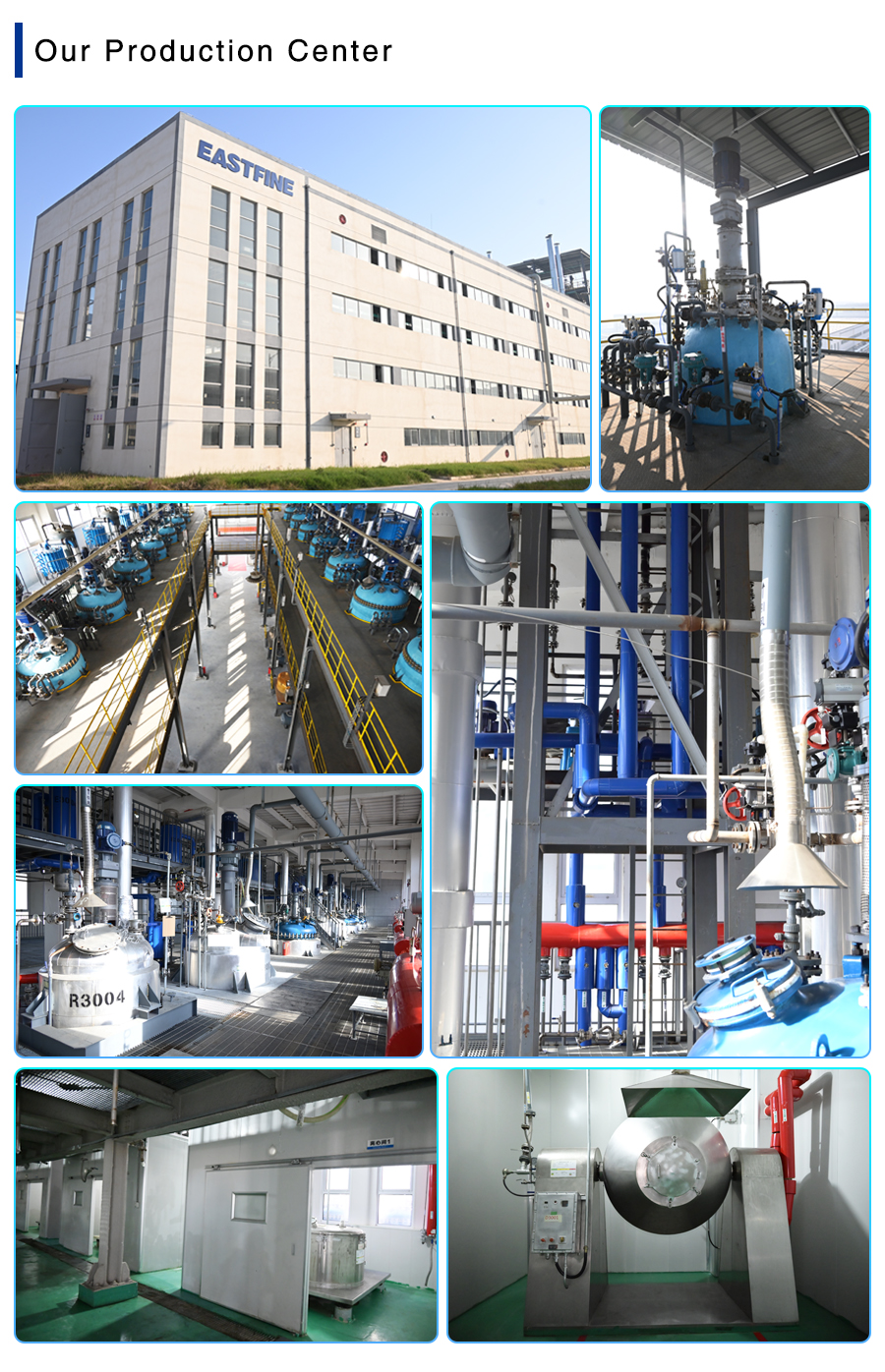
At EASTFINE, we have pioneered a Vapor-Phase Hydrolysis system. This allows us to convert the precursor nitrile into the carboxylic acid without the massive amounts of inorganic salts typically generated in batch reactors.
Benefit:
This results in a product with Ash Content < 0.1%, which is critical for sensitive catalytic reactions in downstream API manufacturing.
Environmental and Regulatory Compliance
Buying "high-quality" now includes "high-responsibility." Global pharmaceutical firms are increasingly held accountable for the carbon footprint and waste management of their Tier-2 suppliers.
Solvent Management (ICH Q3C Compliance)
Many older facilities still use Class 1 or Class 2 solvents like Benzene or Chloroform in the extraction phase.
The Requirement:
High-quality CAS 6419-36-9 must be processed using Class 3 solvents (like Ethanol or Ethyl Acetate) or, ideally, aqueous systems. Your supplier should provide a Residual Solvent Statement verified by Headspace GC.
Heavy Metal Fingerprinting (ICH Q3D)
With the 2026 enforcement of updated elemental impurity guidelines, "Heavy Metals < 20 ppm" is no longer specific enough. A high-quality supplier will provide an ICP-MS report detailing levels of:
Cadmium (Cd): < 0.5 ppm
Lead (Pb): < 0.5 ppm
Arsenic (As): < 1.5 ppm
Mercury (Hg): < 1.5 ppm
Logistics, Packaging, and Stability
Pyridine derivatives are sensitive to environmental factors. A high-quality purchase can be ruined by poor logistics.
Hygroscopicity and Color Stability
3-Pyridylacetic acid hydrochloride is slightly hygroscopic and can undergo "Photolytic Yellowing" if exposed to light and air.
The Warning Signs:
If the material arrives with a yellow tint or "clumping," it indicates moisture ingress and the potential start of decarboxylation.
The 2026 Packaging Standard:
At EASTFINE, we utilize Triple-Layer Aluminum Foil Vacuum Bags inside UN-rated fiber drums. This ensures that the material remains a pure white, free-flowing crystalline powder from our warehouse to your reactor.
Cold-Chain vs. Ambient Shipping
While stable at room temperature for short durations, long-term stability in 2026 is guaranteed by storing the material at 2°C – 8°C. When buying, ensure your supplier provides Data Logger tracking during transit to prove the material hasn't been "baked" in a shipping container in high-heat regions.
Why EASTFINE is the Global Choice for CAS 6419-36-9
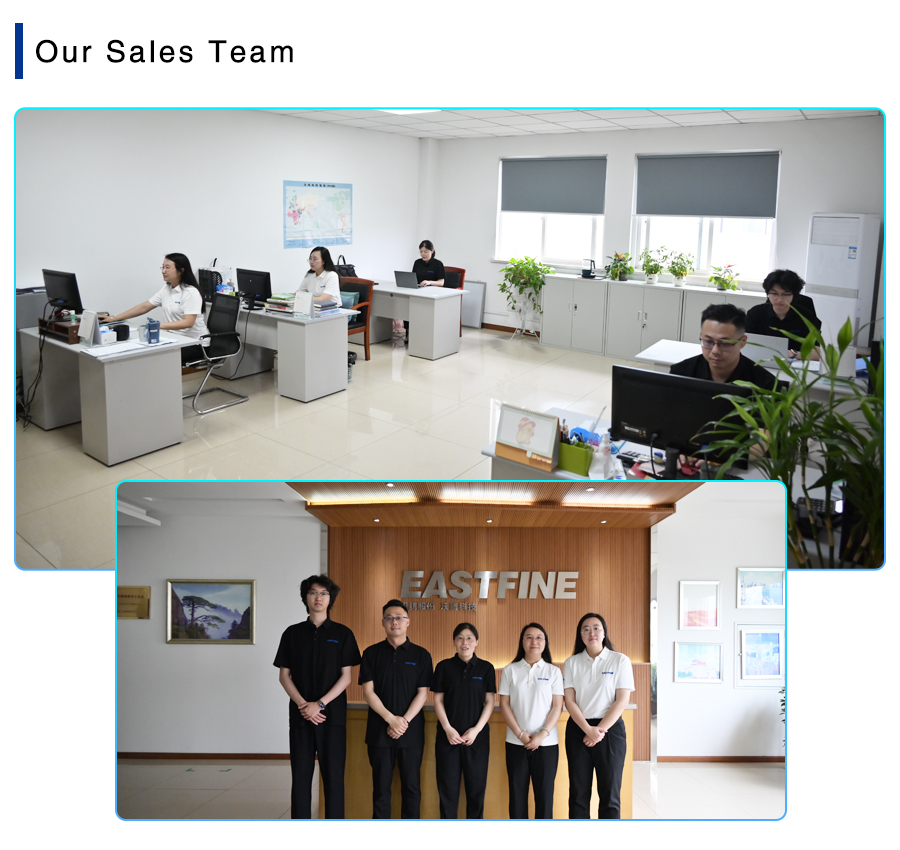
Sourcing high-quality chemicals is a relationship built on Honesty, Professionalism, and Collaboration. Since 1995, EASTFINE Precision Chemistry has been the silent engine behind some of the world's most successful pharmaceutical launches.
30 Years of Pyridine Mastery:
We don't just "make" 3-Pyridylacetic acid hydrochloride; we understand the physics of the pyridine ring. This allows us to troubleshoot synthesis issues that other suppliers might not even recognize.
Unrivaled Analytical Transparency:
Every batch of EASTFINE material is accompanied by a "Digital Quality Passport." This includes HPLC, 1H-NMR, and ICP-MS data as standard. We believe in proving quality, not just claiming it.
Sustainable Capacity:
Our 2026 facility is powered by 40% renewable energy and features a 100% water-recycling loop. Partnering with us helps you meet your corporate sustainability goals without sacrificing chemical performance.
Global Logistics Fluency:
We ship to Asia, Europe, and the Americas daily. We handle all the 2026 customs complexities, ensuring that your "Door-to-Door" experience is seamless and secure.
Conclusion: The Value of Precision
In 2026, the cost of a "cheap" intermediate is often measured in failed batches, regulatory fines, and lost time-to-market. When you buy 3-Pyridylacetic acid hydrochloride (CAS 6419-36-9), you are buying the foundation of a therapeutic treatment. By insisting on ≥ 99.0% purity, strict isomeric control, and ESG-compliant manufacturing, you protect your company’s future.
Trust the experts who have defined this market for three decades. Trust EASTFINE.


 English
 العربية
 Français
 Русский
 Español
 Português
 Deutsch
 italiano
 日本語
日本語 한국어
한국어 Nederlands
 Tiếng Việt
 ไทย
ไทย Polski
 Türkçe
 አማርኛ
አማርኛ ພາສາລາວ
 Bahasa Melayu
 ဗမာစာ
ဗမာစာ Filipino
 Bahasa Indonesia
 magyar
 Română
 Čeština
 қазақ
қазақ Српски
 हिन्दी
 فارسی
فارسی Kiswahili
 Slovenčina
 Slovenščina
 Norsk
Norsk Svenska
 українська
 Ελληνικά
 Suomi
Suomi עברית
עברית Dansk
Dansk اردو
اردو Shqip
Shqip বাংলা
বাংলা Hrvatski
 Gaeilge
 Eesti keel
 Oʻzbekcha
 latviešu
 Azərbaycan dili
 Български
 ქართული
 íslenska
 Lietuvių


 简体中文
简体中文


