Executive Summary: The 2026 Mandate for Structural Diversity
In the current landscape of drug discovery and specialty chemical manufacturing, the ability to introduce specific alicyclic rings with high regioselectivity is a cornerstone of modern molecular design. Cyclopentanecarbaldehyde (CAS 872-53-7) has emerged as a high-value, "precision" building block. Its unique geometry—a five-membered carbocycle attached to a highly reactive formyl group—provides a strategic entry point into a vast array of complex heterocycles and bioactive molecules.
However, for B2B procurement professionals and process chemists, CAS 872-53-7 presents a dual challenge: extreme reactivity and high oxidative sensitivity. An aldehyde that is not manufactured and stabilized with expert care quickly degrades into its corresponding carboxylic acid, leading to failed syntheses and costly purification hurdles. This 2,000-word technical feature explores why EASTFINE’s 30-year mastery of volatile intermediates makes us the global anchor for this strategic building block.
The Chemical Versatility of Cyclopentanecarbaldehyde
The "Cyclopentyl" Strategic Advantage
The cyclopentyl ring is a ubiquitous motif in medicinal chemistry. It offers a balance of lipophilicity and rigidity that is distinct from both the smaller cyclopropyl group and the larger, more flexible cyclohexyl ring.
Molecular Fit:
In 2026 drug design, the cyclopentyl moiety is frequently used to fill hydrophobic pockets in enzyme active sites (such as kinases and proteases), enhancing binding affinity and metabolic stability.
Bioisosterism:
Cyclopentanecarbaldehyde serves as a critical precursor for creating bioisosteres of natural products, allowing researchers to "tune" the pharmacokinetics of a lead compound without losing its core biological activity.
Conformational Rigidity:
Unlike linear alkyl chains, the cyclopentyl ring restricts the rotational freedom of the molecule. When incorporated into a drug scaffold, this "pre-organized" state often leads to higher receptor selectivity and reduced off-target toxicity.
Key Reaction Pathways: Reductive Amination and Beyond
CAS 872-53-7 is highly sought after for its predictable reactivity in several key industrial processes that drive the pharmaceutical and flavor industries:
Reductive Amination:
This is the most common B2B application. By reacting CAS 872-53-7 with primary or secondary amines in the presence of a reducing agent (like sodium triacetoxyborohydride or catalytic hydrogenation), chemists can efficiently produce N-cyclopentylmethyl derivatives. These scaffolds are essential for neurological, cardiovascular, and respiratory drug candidates.
Wittig and Horner-Wadsworth-Emmons Olefination:
The aldehyde group allows for the precise extension of the carbon chain. By reacting with phosphorus ylides, chemists create vinyl-cyclopentane derivatives used in the synthesis of specialized polymers, liquid crystals, and high-end fragrance ingredients that require "green" or "woody" scent profiles.
Heterocycle Cyclization:
Through condensation reactions with diamines, amino-alcohols, or amino-thiols, CAS 872-53-7 can be transformed into imidazoles, oxazoles, and thiazoles that bear the cyclopentyl substituent at the C-2 position. These heterocycles are the foundational "cores" of many 2026-phase anti-inflammatory drugs.
Grignard and Organometallic Additions:
The electrophilic nature of the formyl group makes it an ideal target for Grignard reagents, allowing for the creation of secondary alcohols with a cyclopentyl backbone—intermediate steps in the synthesis of complex prostaglandins.
The EASTFINE Manufacturing Edge—Overcoming Stability Hurdles
Aldehydes are notoriously "unstable" when produced at an industrial scale. Without the intervention of a specialized factory like EASTFINE, the quality of CAS 872-53-7 can drop within days of production due to environmental factors.
The "Acid Drift" Phenomenon and Auto-Oxidation
The primary enemy of Cyclopentanecarbaldehyde is oxygen. Atmospheric oxygen causes the aldehyde to undergo radical-mediated auto-oxidation, converting it into Cyclopentanecarboxylic acid.
The Impact on Industrial Synthesis:
Even a 2% contamination of the acid can ruin a moisture-sensitive reaction, poison a catalyst, or alter the stoichiometry of a delicate coupling. This results in "cloudy" reaction mixtures and poor crystalline recovery.
The EASTFINE Solution:
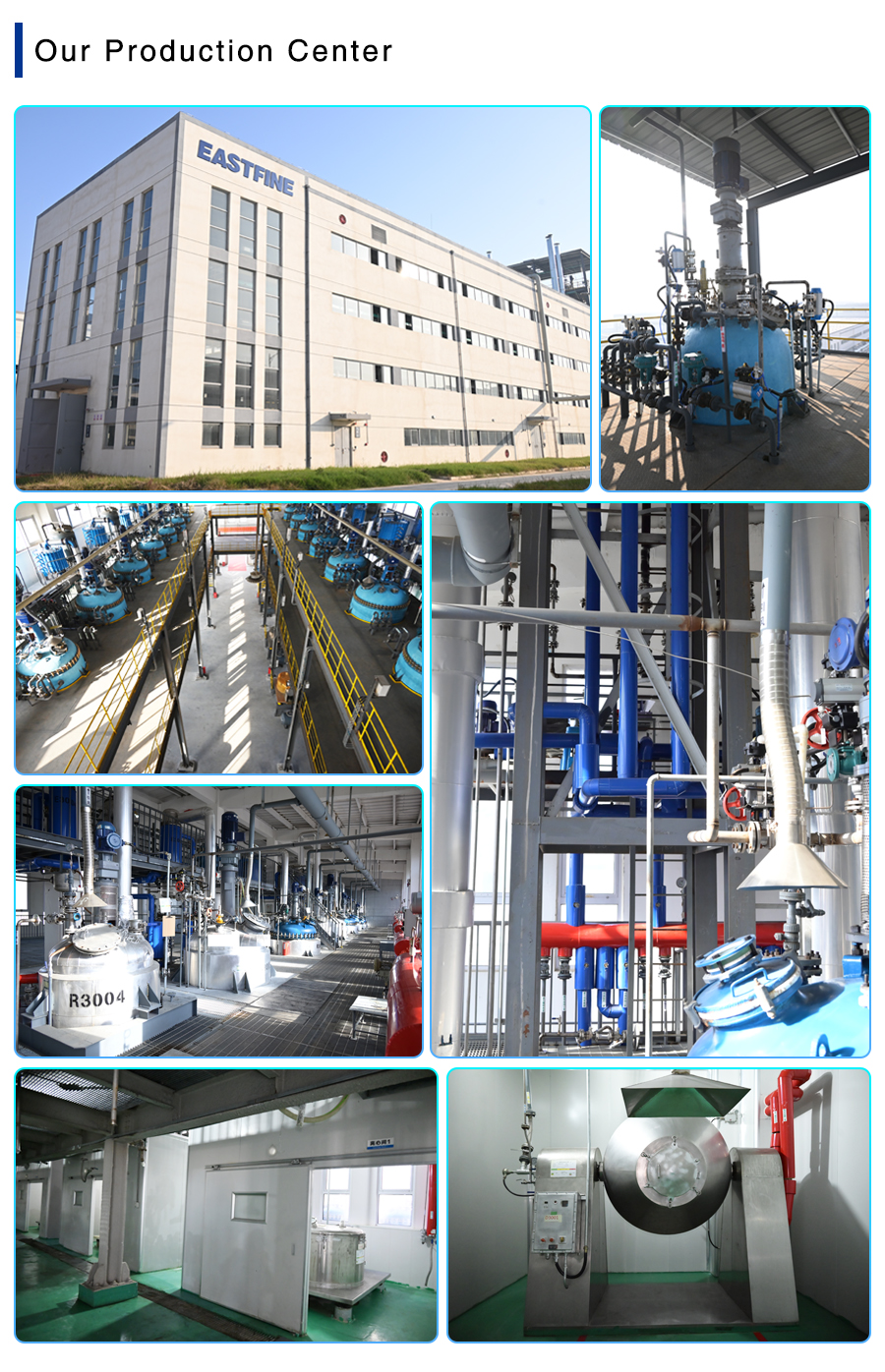
We utilize multi-stage vacuum fractional distillation in a closed-loop system to ensure an initial assay of 98.5%. Immediately following distillation, the material is handled under a continuous, high-purity nitrogen (N2) or argon blanket to prevent any contact with air during the drum-filling process.
Stabilization and Inhibitor Strategy
To ensure that our B2B partners receive a product that remains stable during trans-oceanic sea freight and subsequent long-term storage, EASTFINE employs a sophisticated stabilization protocol.
Customized Inhibitor Profiles:
Depending on the client's specific downstream application, we can add trace amounts of food-grade or pharma-grade antioxidants (such as BHT or Hydroquinone). We work with your R&D team to ensure these stabilizers do not interfere with your proprietary catalysts.
Low-Temperature Processing and Storage:
Our 2026-compliant production lines include integrated chilled storage units. We maintain the product at optimal temperatures from the moment of condensation in the reactor until it is loaded into climate-controlled shipping containers.
B2B Procurement Risk Mitigation—The Professional Audit
In 2026, sourcing a reactive intermediate like CAS 872-53-7 requires more than just a price comparison. It requires a rigorous audit of the manufacturer's protective infrastructure and quality management systems.
Advanced Packaging for Volatile and Sensitive Shipments
Cyclopentanecarbaldehyde is a volatile liquid with a characteristic pungent, almond-like odor. In a B2B warehouse or industrial setting, improper packaging is a major liability for worker safety and product integrity.
Air-Tight Structural Integrity:
EASTFINE utilizes UN-rated, fluorinated HDPE drums or 316-grade stainless steel canisters equipped with precision pressure-relief valves. These materials are chosen because they are non-reactive and prevent the "leaching" of plasticizers into the high-purity aldehyde.
The "Double-Freshness" Seal:
Every drum is double-sealed with a moisture-resistant induction liner and a tamper-evident cap. This ensures that the nitrogen blanket applied at the factory stays pressurized inside the drum until it reaches your laboratory or production floor.
Total Analytical Transparency: The Digital Quality Passport
As a 30-year veteran of the industry, EASTFINE knows that "trust but verify" is the golden rule of B2B chemical trade. Every order of CAS 872-53-7 is accompanied by a Digital Quality Passport (DQP) accessible via our secure partner portal:
GC-FID Purity Traces:
Providing high-resolution proof of the absence of the carboxylic acid byproduct and other trace impurities.
Karl Fischer Moisture Data:
Consistently maintained at < 0.1% to ensure the reagent is "dry" enough for anhydrous conditions.
APHA Colorimetry Analysis:
Ensuring a crystal-clear, colorless liquid that indicates zero oxidative degradation or metal contamination.
Residual Solvent Profiling:
Guaranteeing adherence to 2026 "Green Chemistry" VOC limits and ensuring no chlorinated solvents were used in the purification process.
Sustainability and the 2026 Regulatory Landscape
As the global chemical industry moves toward carbon neutrality and "Design for Degradation," EASTFINE is leading the way in "Green Formylation."

Sustainable Dehydrogenation Pathways
The traditional synthesis of aldehydes often relies on stoichiometric heavy metal oxidants (like Chromium or Manganese) that create hazardous toxic waste.
Catalytic Gas-Phase Dehydrogenation:
At EASTFINE, we have moved toward Heterogeneous Catalytic Dehydrogenation of cyclopentylmethanol. This 2026-standard process uses high-surface-area catalysts and produces hydrogen gas as the only byproduct. We capture this hydrogen and reuse it to power our facility's heating systems.
Energy-Efficient Distillation:
Our fractional distillation columns are equipped with state-of-the-art heat-recovery exchangers, reducing the energy footprint of each ton of CAS 872-53-7 produced by 22% compared to 2020 standards.
Regulatory Readiness (REACH, TSCA, and Global Compliance)
For B2B companies operating in Europe, North America, and Japan, regulatory documentation is as vital as the chemical itself.
REACH & TSCA Support:
EASTFINE maintains full documentation and technical dossiers for CAS 872-53-7, ensuring your imports are never delayed by 2026-standard customs audits or environmental agency inquiries.
IP Compliance and "White-Label" Manufacturing:
With our 2026 IP management certification, we provide a secure environment for custom synthesis projects. If your process requires a specific grade of Cyclopentanecarbaldehyde (e.g., 99.9% electronics grade), we can manufacture to your exact specification under a strict NDA.
Why EASTFINE is the Strategic Choice for 2026 and Beyond
At EASTFINE Precision Chemistry, our philosophy is rooted in Professionalism, Honesty, and Collaboration. We don't just see ourselves as a vendor; we are the silent partner behind your commercial success.
30 Years of Specialized Mastery:
Since 1995, we have been the primary supplier for some of the world’s most complex pharmaceutical launches. We understand the "temperament" of volatile aldehydes better than any trading house.
Factory-Direct Pricing Power:
By sourcing directly from our 2026 facility, you eliminate the 15-30% markup typically applied by secondary distributors and brokers.
Scalable Volume and Speed:
With a dedicated production line for CAS 872-53-7, we can scale from a 5kg "proof-of-concept" batch to a 5-ton industrial campaign within weeks, not months.
A Partner in Innovation:
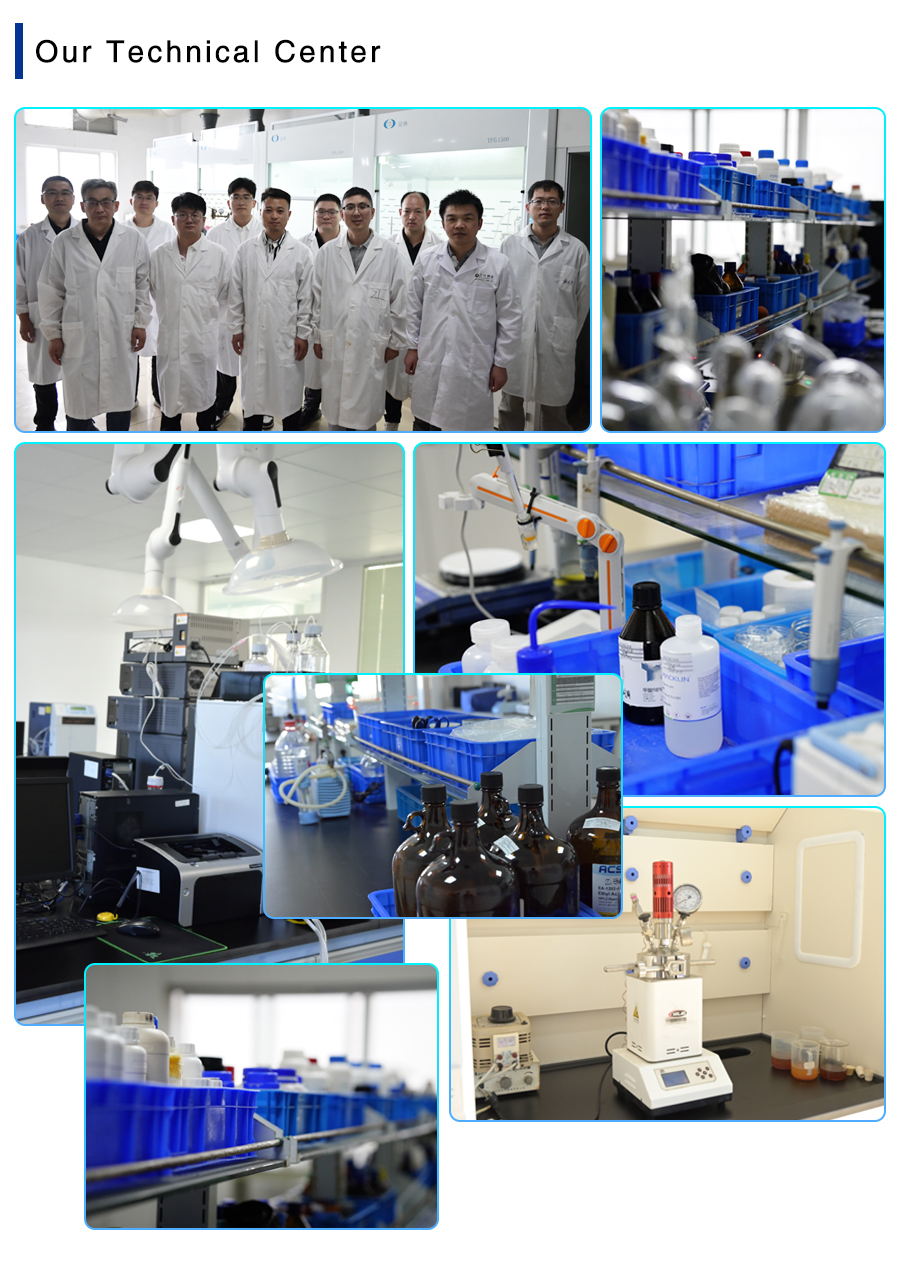
Our PhD-led technical team is available to assist your R&D department in optimizing the storage, handling, and reaction kinetics of Cyclopentanecarbaldehyde within your own unique facility.
Conclusion: Precision Starts with the Building Block
In the world of heterocyclic synthesis, the quality of the final drug is decided at the moment of the first reaction. Success requires more than a clever synthetic route; it requires a reliable, ultra-pure foundation. By utilizing the unique reactivity of Cyclopentanecarbaldehyde (CAS 872-53-7) and the manufacturing excellence of EASTFINE, you ensure that your complex heterocycles are synthesized with the highest possible efficiency, the lowest possible impurity profile, and a commitment to 2026 sustainability.
We invite you to experience the EASTFINE Advantage—where technical precision, factory-direct reliability, and 2026-standard sustainability meet.


 English
 العربية
 Français
 Русский
 Español
 Português
 Deutsch
 italiano
 日本語
日本語 한국어
한국어 Nederlands
 Tiếng Việt
 ไทย
ไทย Polski
 Türkçe
 አማርኛ
አማርኛ ພາສາລາວ
 Bahasa Melayu
 ဗမာစာ
ဗမာစာ Filipino
 Bahasa Indonesia
 magyar
 Română
 Čeština
 қазақ
қазақ Српски
 हिन्दी
 فارسی
فارسی Kiswahili
 Slovenčina
 Slovenščina
 Norsk
Norsk Svenska
 українська
 Ελληνικά
 Suomi
Suomi עברית
עברית Dansk
Dansk اردو
اردو Shqip
Shqip বাংলা
বাংলা Hrvatski
 Gaeilge
 Eesti keel
 Oʻzbekcha
 latviešu
 Azərbaycan dili
 Български
 ქართული
 íslenska
 Lietuvių


 简体中文
简体中文


