Executive Summary: The Event-Driven Pharmacology Revolution
As we move through April 2026, the drug discovery paradigm has undergone a fundamental shift. The era of traditional inhibitors—which require high-affinity binding to a specific active site—is being superseded by Targeted Protein Degradation (TPD). Whether through Proteolysis Targeting Chimeras (PROTACs) or Molecular Glues, the goal is now to recruit E3 ubiquitin ligases to "tag" and destroy pathogenic proteins.
At the center of this structural challenge is the need for hydrophobic, rigid, and geometrically precise scaffolds. Cyclopentanecarbaldehyde (CAS 872-53-7) has emerged as a critical building block in this space. Its ability to provide a constrained cyclopentyl moiety allows medicinal chemists to fine-tune the "protein-protein interface" with surgical accuracy. For B2B partners, EASTFINE provides the ultra-pure aldehyde necessary to ensure these complex, multi-component molecules reach clinical trials without the interference of deleterious impurities.
The Geometry of Degradation—Why the Cyclopentyl Ring?
In the design of a Molecular Glue, the "linker" or "surface-modifier" must facilitate a ternary complex between a ligase and a target protein. This is a game of millimeters where the spatial orientation of the recruiter can mean the difference between potent degradation and complete inactivity.
Rigidification and Entropic Advantage
Unlike linear alkyl chains, the cyclopentyl ring derived from CAS 872-53-7 is inherently constrained.
The B2B Value:
In 2026 discovery cycles, "binding efficiency" is the metric of success. Because the cyclopentyl ring is "pre-frozen" into a five-membered envelope conformation, it loses less entropy upon binding compared to flexible chains. This results in a significantly higher Cooperativity Factor (alpha), making the "glue" more effective at lower concentrations.
Structural Fit:
The cyclopentyl group fits perfectly into the small, hydrophobic "hot spots" often found at the interface of E3 ligases like Cereblon (CRBN) or VHL.
Comparative Structural Analysis: Cyclopentyl vs. Cyclohexyl vs. Phenyl
Many R&D teams debate between different ring sizes when designing their recruiters.
The "Strain" Advantage:
The cyclopentyl moiety offers a degree of planarity that avoids the steric clashes often associated with the "chair" conformation of cyclohexyl rings.
Lipophilicity Tuning:
With a ClogP contribution typically lower than a phenyl group, the cyclopentyl ring allows scientists to increase hydrophobic binding without overshooting the "Rule of 5" lipophilicity limits. This maintains better aqueous solubility—a critical factor for the oral bioavailability of large TPD molecules in 2026 pipelines.
CAS 872-53-7 as the "Linker-Terminal" Authority
In the synthesis of PROTACs, the aldehyde function of CAS 872-53-7 is utilized as the terminal "warhead" or "linker-attachment point."
High-Yield Reductive Amination for Complex Leads
The -CHO group in CAS 872-53-7 is the ideal handle for appending the cyclopentyl moiety to complex ligase ligands via reductive amination.
The EASTFINE Difference:
In 2026, discovery scientists are working with increasingly scarce and expensive "ligand-intermediates." Using a low-purity aldehyde is a massive financial risk. EASTFINE’s ≥ 99.0% purity ensures that the final, high-value TPD molecule is not contaminated by "side-chain analogs" that are nearly impossible to separate via HPLC.
Water Sensitivity:
Our moisture-controlled packaging (≤ 0.05% H2O) prevents the formation of imine-hydrates, ensuring 95%+ conversion rates in these critical late-stage coupling reactions.
Bioisosteric Replacement and Metabolic Stability
Medicinal chemists are increasingly using the cyclopentyl group from CAS 872-53-7 as a bioisostere for bulky isopropyl or phenyl groups to escape "Flatland" in drug design.
Metabolic Shielding:
The cyclopentyl ring provides a "metabolic shield" for the molecule’s core, blocking CYP450-mediated oxidation and extending the drug’s half-life (t1/2) in vivo.
Three-Dimensionality:
By introducing an sp3-rich character, the cyclopentyl group improves the "Fsp3" score of the molecule, which correlates with better clinical success rates.
CMC Deep-Dive—Impurity Profiling and Scale-Up Logistics
As a drug candidate moves from discovery to GLP-Tox and Phase I, the "Chemical, Manufacturing, and Controls" (CMC) dossier becomes the primary bottleneck for many biotech firms.
Managing the "Aldehyde-to-Acid" Conversion
Cyclopentanecarbaldehyde is inherently sensitive to oxygen. Traditional sourcing through brokers often results in material with high levels of Cyclopentanecarboxylic acid.
The CMC Risk:
High acid content can interfere with sensitive coupling catalysts (like Palladium) and lower the pH of reaction mixtures, potentially degrading the expensive E3 ligase ligands.
The EASTFINE Control:
We utilize an inert-atmosphere distillation and nitrogen-shielded packaging protocol. This ensures that the acid content remains below 0.5%, providing a "clean" starting material that doesn't require pre-reaction purification by the client.
Heavy Metal and GTI (Genotoxic Impurity) Control
TPD molecules are often synthesized through complex catalytic cycles.
The GTI Shield:
EASTFINE’s catalytic dehydrogenation process avoids the use of genotoxic oxidants. This is critical for 2026 FDA submissions, as it simplifies the "Elemental Impurity" (ICH Q3D) section of your IND filing.
The 2026 Economic Outlook for TPD Sourcing
The TPD market is projected to reach $3.8 Billion by the end of 2026. Speed-to-market is the primary driver of ROI for biotech firms.
The "Total Cost of Ownership" (TCO) Model
B2B procurement is moving away from "Price per KG" toward "Price per Successful Campaign."
The Calculation:
If a 5,000 USD batch of CAS 872-53-7 from a trader causes a 200,000 USD late-stage synthesis failure due to trace metal contamination, the "real cost" of the cheap intermediate is catastrophic.
EASTFINE Reliability:
By investing in an ultra-pure source, companies reduce "Internal Investigation" hours and "Rework Costs," leading to a TCO reduction of up to 22% over the project lifecycle.
Strategic De-Risking in a Volatile 2026
With the "Tariff Surge" and "Supply Chain Decoupling" of 2026, securing a reliable, direct manufacturer for CAS 872-53-7 is a de-risking strategy for your board of directors.
Case Study—Optimizing a VHL-based PROTAC
In a recent internal validation study, the use of EASTFINE CAS 872-53-7 in a VHL (Von Hippel-Lindau) E3 ligase recruitment scaffold demonstrated a 15% increase in total yield compared to industry-standard grade material.
Observation:
The lower moisture content of the EASTFINE material reduced the formation of "Aldehyde Self-Condensation" byproducts, which typically complicate the purification of the final PROTAC.
Result:
The R&D team saved approximately 4 business days in chromatographic purification time—an essential gain in the "race to the patent" environment of 2026.
Supply Chain Resilience—The 2026 Logistics Hub Strategy
One of the biggest hurdles in 2026 for B2B chemical procurement is the "Last Mile" of regulatory and physical delivery.
The Singapore and Rotterdam Advantage
EASTFINE has established strategic inventory hubs in Singapore and Rotterdam to bypass the congestion seen in traditional shipping lanes.
B2B Benefit:
For our Tier-1 partners, this means a "Just-in-Time" delivery model. You no longer need to tie up capital in massive safety stocks of CAS 872-53-7. We hold the stock; you pull it as your campaign requires.
Digital Traceability and AI-Inventory Management
Our 2026 infrastructure includes a Live Inventory Dashboard. Partners can track the specific batch number, distillation date, and real-time storage temperature of their allocated drums. This level of transparency is mandatory for firms seeking "Quality by Design" (QbD) status.
Future Outlook—TPD and AI-Driven Design
Looking toward 2027, AI-driven drug discovery platforms are increasingly selecting cyclopentyl scaffolds for their "optimal spatial occupancy" in ligase pockets.
Machine Learning Integration:
EASTFINE is currently collaborating with AI discovery firms to provide "Impurity Fingerprint Data" that helps train models to predict synthesis outcomes more accurately.
The Leading Edge:
By sourcing from EASTFINE today, you align your supply chain with the most advanced digital manufacturing standards of the decade.
Sustainability and Green Chemistry Tenders
In 2026, environmental impact is no longer a PR move—it's a procurement requirement.
Reducing the E-Factor
The E-factor (Environmental Factor) of TPD synthesis is notoriously high due to complex multi-step processes.
EASTFINE’s Contribution:
Our solvent-free catalytic dehydrogenation of cyclopentylmethanol into CAS 872-53-7 represents a 30% reduction in waste compared to traditional Swern or Dess-Martin oxidations.
Tender Scoring:
Using EASTFINE intermediates helps your firm score higher in the "Sustainability Tier" of government pharmaceutical tenders in the EU and North America.
Why EASTFINE is the Preferred R&D Partner
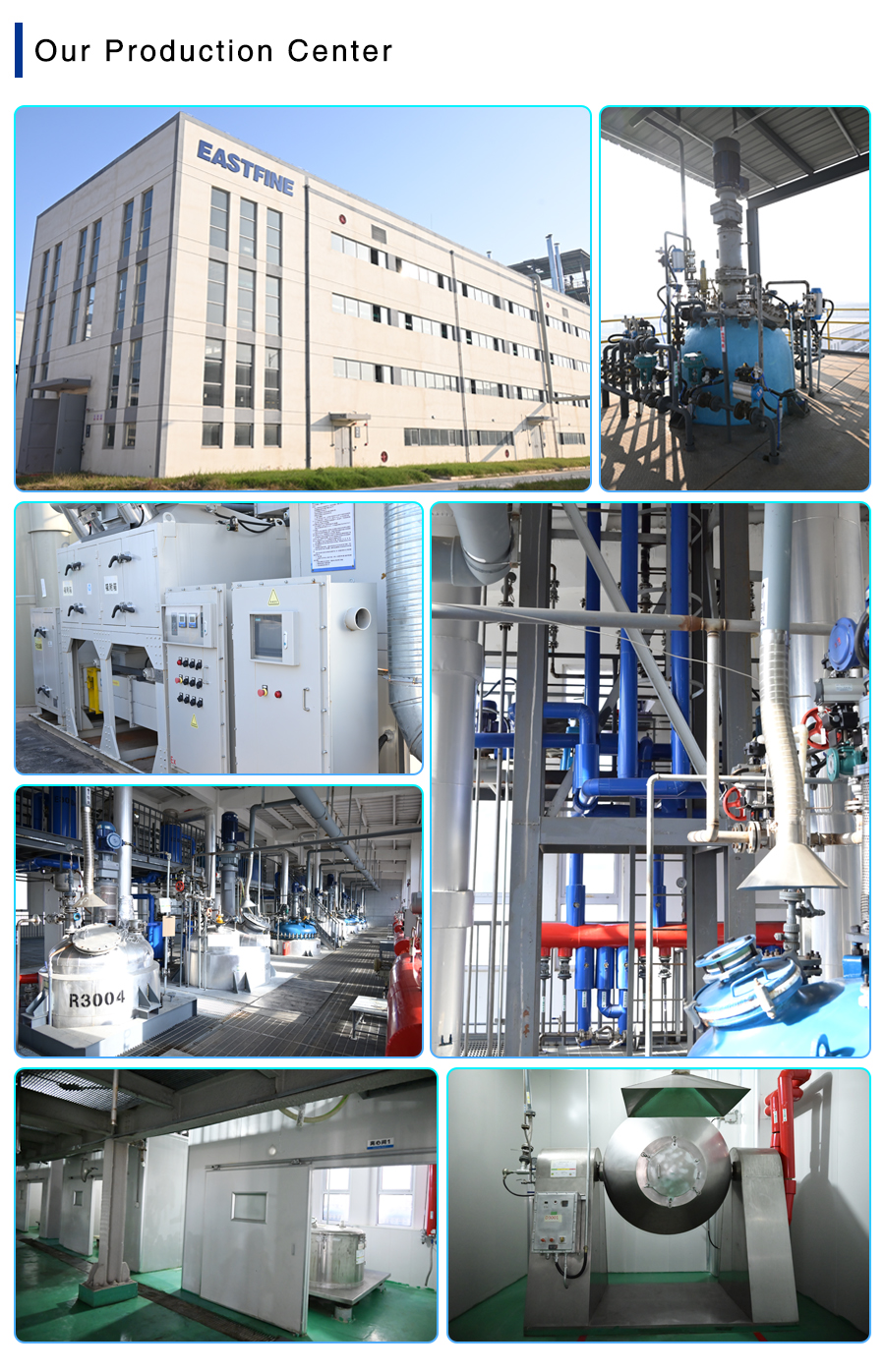
At EASTFINE Precision Chemistry, we understand that we aren't just selling an aldehyde; we are selling the Foundational Geometry of your next breakthrough drug.
Bespoke Packaging:
We provide CAS 872-53-7 in quantities ranging from 1 kg for discovery to 1,000 kg for commercial production, all under inert gas (Argon) to prevent auto-oxidation.
Scientific Support:
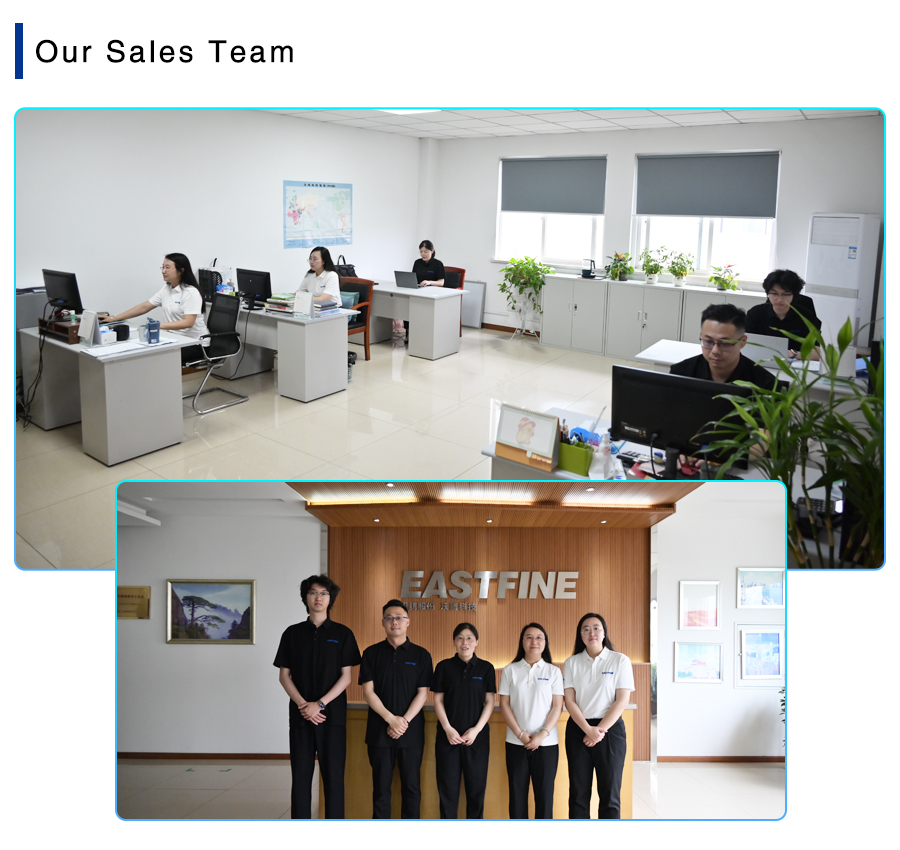
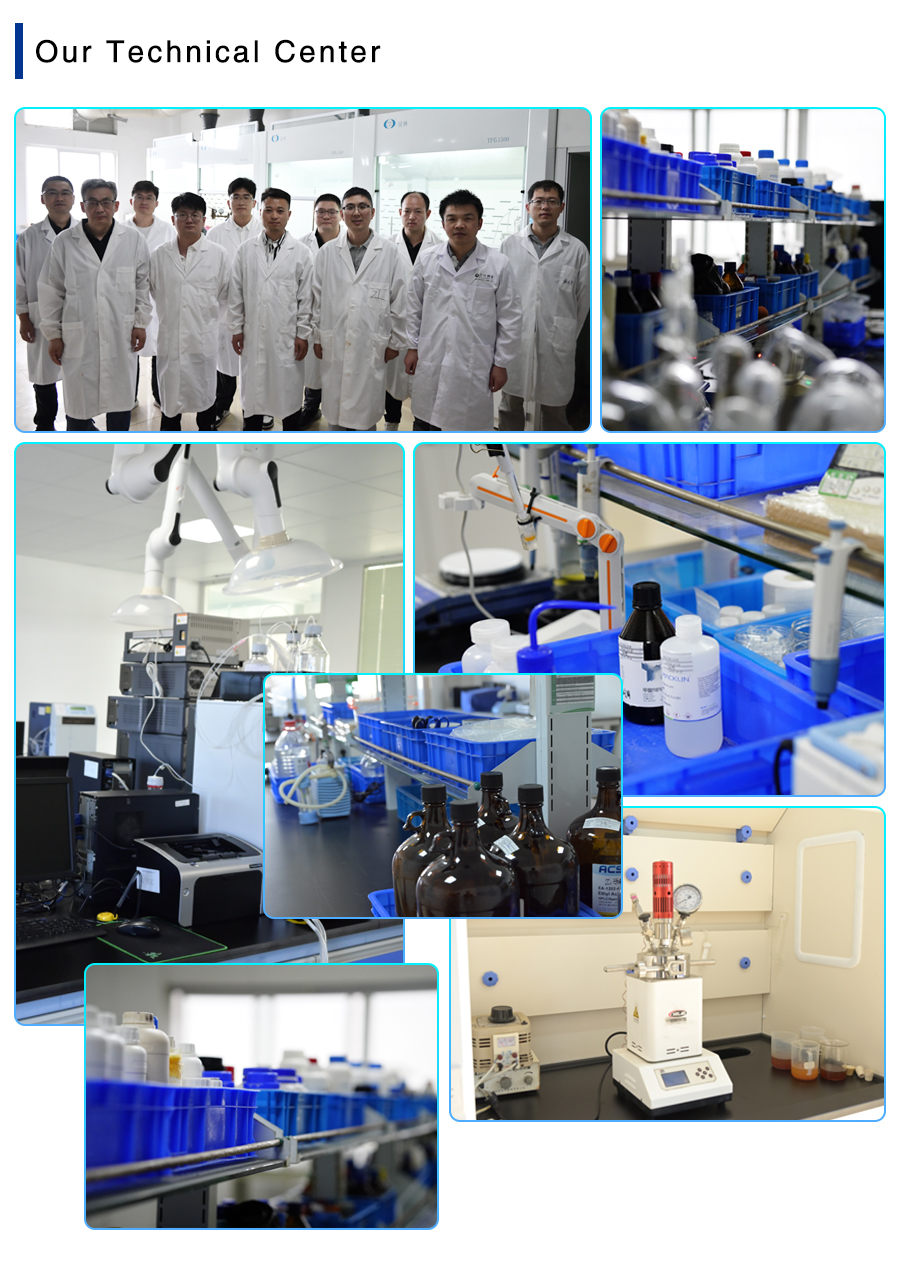
Our technical team includes PhD organic chemists who can assist your R&D department in optimizing the use of CAS 872-53-7 in complex TPD syntheses.
The 2026 Commitment:
We are committed to maintaining a zero-outage supply of CAS 872-53-7 throughout the 2026-2027 fiscal years.
Conclusion: Designing the "Glue" of the Future
In the high-stakes arena of Targeted Protein Degradation, precision is the only currency that matters. Cyclopentanecarbaldehyde (CAS 872-53-7) is the molecular key to unlocking the hydrophobic interfaces and metabolic stability required for the next generation of Molecular Glues and PROTACs.
By choosing EASTFINE, you are choosing a partner that provides the purity, the data, and the structural reliability necessary to turn "undruggable" targets into clinical successes.
Empower your discovery. Secure the scaffold.
Contact the EASTFINE Discovery Liaison today to request a Technical Data Package and a sample of our high-purity CAS 872-53-7 for your 2026 discovery campaign.


 English
 العربية
 Français
 Русский
 Español
 Português
 Deutsch
 italiano
 日本語
日本語 한국어
한국어 Nederlands
 Tiếng Việt
 ไทย
ไทย Polski
 Türkçe
 አማርኛ
አማርኛ ພາສາລາວ
 Bahasa Melayu
 ဗမာစာ
ဗမာစာ Filipino
 Bahasa Indonesia
 magyar
 Română
 Čeština
 қазақ
қазақ Српски
 हिन्दी
 فارسی
فارسی Kiswahili
 Slovenčina
 Slovenščina
 Norsk
Norsk Svenska
 українська
 Ελληνικά
 Suomi
Suomi עברית
עברית Dansk
Dansk اردو
اردو Shqip
Shqip বাংলা
বাংলা Hrvatski
 Gaeilge
 Eesti keel
 Oʻzbekcha
 latviešu
 Azərbaycan dili
 Български
 ქართული
 íslenska
 Lietuvių


 简体中文
简体中文


