Executive Summary: The 2026 Fluorine Pivot
In the global chemical economy of 2026, the trifluoromethyl (CF3) group is the undisputed "gold standard" for molecular optimization. It is the architectural tool used to enhance lipophilicity, extend metabolic half-lives, and fine-tune the binding affinity of high-value Active Pharmaceutical Ingredients (APIs) and next-generation crop protection agents.
For process chemists and R&D architects, the design phase often leads to a critical fork in the road: should you utilize the raw Ethyl 4,4,4-trifluoroacetoacetate (CAS 372-31-6) or the refined Ethyl 3-amino-4,4,4-trifluoro-2-butenoate (CAS 372-29-2)? While they share a genetic molecular link, the choice between this Dynamic Keto-Ester and our Locked Enamine determines the ultimate efficiency, regioselectivity, and safety profile of your entire commercial synthesis. This deep-dive analysis details why our pre-formed enamine is the superior choice for 2026 industrial standards.
Molecular Architecture and Chemical Intelligence
Defining the Core Structures
Ethyl 4,4,4-trifluoroacetoacetate (CAS 372-31-6):
This is a classical β-Keto-Ester. In any solvent system, it exists in a constant, restless equilibrium between its ketone and enol forms. While versatile, its reactivity is "scattered" across multiple electrophilic and nucleophilic sites, dominated by a highly reactive carbonyl carbon and acidic methylene protons.
Ethyl 3-amino-4,4,4-trifluoro-2-butenoate (CAS 372-29-2):
This is a Fluorinated Enamine (or amino-crotonate). By reacting the keto-ester with ammonia under controlled conditions, we convert the volatile carbonyl into a defined C=C-NH2 system. The reactivity is now "locked" into a specific orientation, providing a stable, predefined nucleophilic center that is ready for immediate, predictable cyclization.
Comparative Properties at a Glance
| Property | CAS 372-31-6 (Keto-Ester) | CAS 372-29-2 [EASTFINE Enamine] |
| Physical State | Volatile, Pungent Liquid | Stable, Odorless Crystalline Solid |
| Purity (HPLC) | Industrial Standard (97-98%) | ≥ 99.0% (Ultra-Pure Grade) |
| Regioselectivity | High Risk of Isomer Mixtures | Total Regiochemical Control |
| Reaction Setup | Complex (Requires Ammonia Gas) | Direct "Plug-and-Play" Charging |
| Shelf Life | Moisture-Sensitive / Hydrolyzes | High Stability / Non-Hygroscopic |
The EASTFINE 2026 Production Advantage
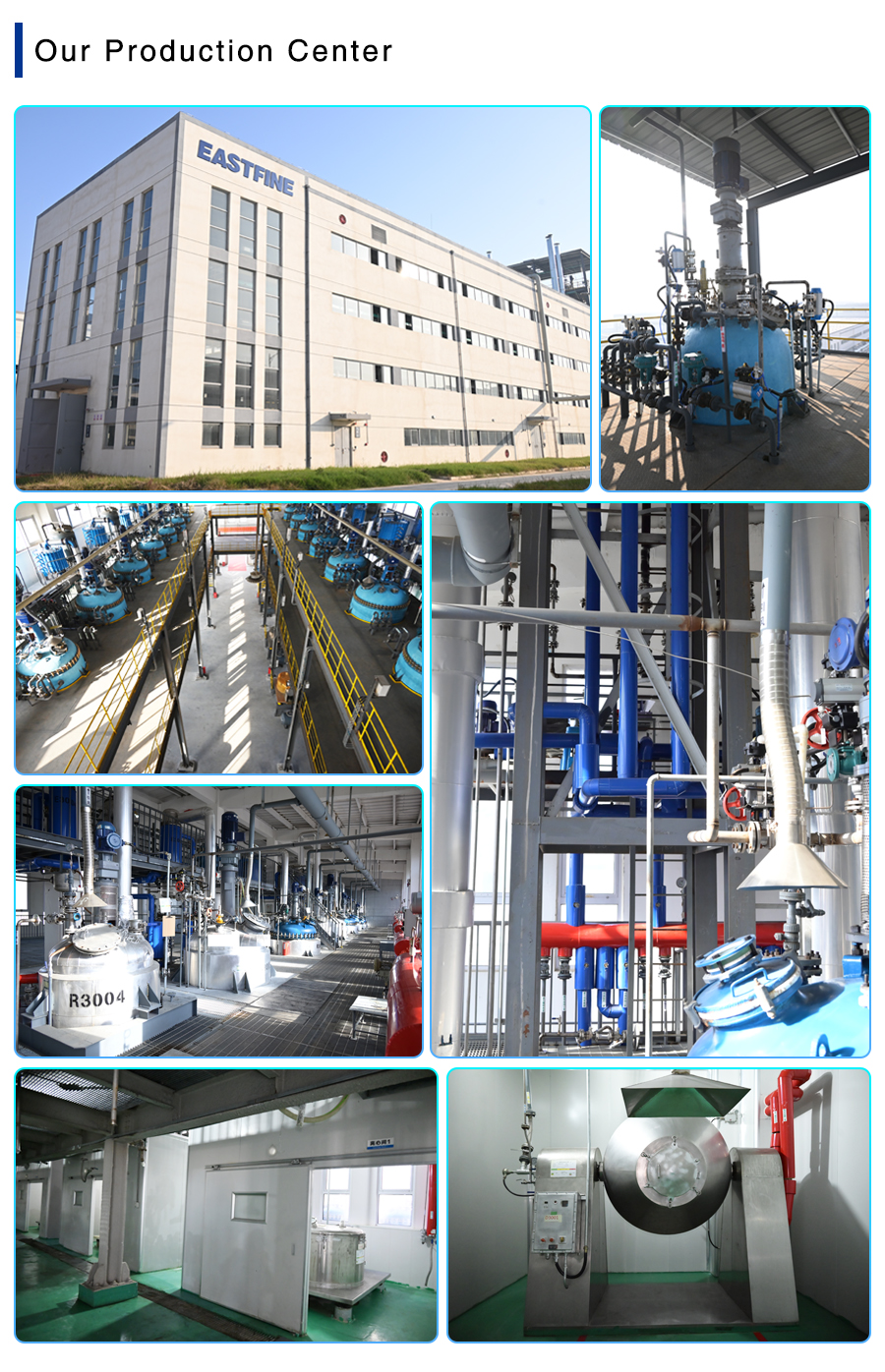
The transformation from a keto-ester to an enamine is a precision step that defines the downstream success of your synthesis. At EASTFINE, we don't just perform a reaction; we engineer a building block.
The Myth of "In Situ" Efficiency
Many 2026 "low-cost" processes attempt to purchase the liquid keto-ester (CAS 372-31-6) and generate the enamine in situ by bubbling anhydrous ammonia gas directly into their reactor.
The Hidden Costs:
This method is notoriously difficult to standardize. It generates water as a stoichiometric byproduct, which can trigger the hydrolysis of your ester or poison sensitive catalysts. Furthermore, incomplete conversion leaves residual keto-ester in the mix, which creates "ghost peaks" and difficult-to-remove impurities in your final API.
The EASTFINE 2026 Solution:
We utilize Vapor-Phase Continuous Flow Synthesis to produce CAS 372-29-2. By separating the amination step into a dedicated, high-tech environment, we deliver a product that is already dry, already pure, and already oriented for reaction. When you source from EASTFINE, you are removing the complexity of ammonia handling from your facility and ensuring 100% consistent starting material for every campaign.
Applications & The Regioselectivity Mandate
In 2026, the primary application for these building blocks is the construction of specialized heterocycles, such as trifluoromethyl-substituted Pyrimidines, Pyridines, and Pyrazoles.
Eliminating Isomer Contamination
The keto-ester (CAS 372-31-6) is an "ambident" electrophile. During cyclization, the reaction can initiate at either the ketone or the ester, often resulting in an inseparable mixture of regioisomers. This is a catastrophe for pharmaceutical manufacturing, where isomer purity is non-negotiable and regulatory bodies (like the FDA or EMA) demand clear separation.
Our product, Ethyl 3-amino-4,4,4-trifluoro-2-butenoate (CAS 372-29-2), solves this structural puzzle. The nitrogen atom is already covalently bonded to the carbon atom alpha to the CF3 group. This "pre-attachment" forces the subsequent cyclization to occur in one specific direction. The result? A single, high-purity isomer that meets the 0.1% impurity limit of 2026 health authorities without the need for expensive and wasteful chiral chromatography.
Industrial Safety and Operational Stability
Safety and logistics are the silent drivers of profit in the 2026 chemical sector.
Liquid Volatility vs. Solid Stability
Handling Risks:
The keto-ester is a volatile liquid with a sharp odor and a tendency to leak from standard pump seals. Inhalation exposure in the workplace is a constant monitoring burden for HSE teams.
The Solid Advantage:
Our enamine (CAS 372-29-2) is a crystalline solid. Solids have virtually no vapor pressure, drastically reducing the inhalation risk for your operators. Our "Smart Granulation" technology ensures the product is free-flowing and dust-free, making it ideal for automated vacuum-conveying systems and big-bag discharging.
Storage Integrity:
Unlike the keto-ester, which can turn yellow, increase in acidity, or degrade in the presence of trace moisture, our enamine is chemically robust and non-hygroscopic. It retains its full titer for years, ensuring your long-term production schedules are never compromised by raw material degradation.
The Conclusion: Partner with EASTFINE for Trifluoromethyl Excellence
The choice is simple. While the keto-ester (CAS 372-31-6) is a useful raw precursor, Ethyl 3-amino-4,4,4-trifluoro-2-butenoate (CAS 372-29-2)—produced by EASTFINE—is the refined, industrial-ready solution for 2026.
As a leading pharmaceutical and agrochem intermediate company since 1995, EASTFINE Precision Chemistry provides the global benchmark for this building block. Our commitment to Honesty, Professionalism, and Innovation means we don't just sell you a chemical; we provide a high-purity, safe, and regioselective foundation for your most important projects.
Partner with EASTFINE today. Elevate your synthesis, secure your supply chain, and experience the difference that "Locked Enamine" technology brings to your laboratory and your bottom line.


 English
 العربية
 Français
 Русский
 Español
 Português
 Deutsch
 italiano
 日本語
日本語 한국어
한국어 Nederlands
 Tiếng Việt
 ไทย
ไทย Polski
 Türkçe
 አማርኛ
አማርኛ ພາສາລາວ
 Bahasa Melayu
 ဗမာစာ
ဗမာစာ Filipino
 Bahasa Indonesia
 magyar
 Română
 Čeština
 қазақ
қазақ Српски
 हिन्दी
 فارسی
فارسی Kiswahili
 Slovenčina
 Slovenščina
 Norsk
Norsk Svenska
 українська
 Ελληνικά
 Suomi
Suomi עברית
עברית Dansk
Dansk اردو
اردو Shqip
Shqip বাংলা
বাংলা Hrvatski
 Gaeilge
 Eesti keel
 Oʻzbekcha
 latviešu
 Azərbaycan dili
 Български
 ქართული
 íslenska
 Lietuvių


 简体中文
简体中文


