Introduction
In modern oncology, targeted therapies have transformed prostate cancer treatment from broad-spectrum systemic regimes into highly selective molecular interventions. At the center of this revolution is non-steroidal antiandrogen (NSAA) therapy, designed to block androgen receptor signaling pathways in prostate cancer cells.
Behind these life-saving therapies lies specialized fine chemistry. Key among these specialized molecules is 4-Amino-2-(trifluoromethyl)benzonitrile (CAS No. 654-70-6). As a crucial fluorinated intermediate, this compound forms the core structural foundation for several frontline oncological agents, including Bicalutamide and next-generation androgen receptor inhibitors.
Understanding the structural significance, chemical behavior, and critical procurement criteria of CAS No. 654-70-6 is vital for chemical procurement leads, supply chain directors, and pharmaceutical R&D heads aiming to scale manufacturing securely.
The Strategic Role of Fluorine in Antiandrogen Therapeutics
Introducing fluorine and fluorinated functional groups into active pharmaceutical ingredients (APIs) is one of the most effective strategies in contemporary medicinal chemistry. Fluorine's unique electronegativity, small atomic radius, and strong carbon-fluorine bond dynamics offer significant pharmacological advantages:
Enhanced Metabolic Stability:
Replacing vulnerable carbon-hydrogen bonds with carbon-fluorine bonds prevents rapid oxidative degradation by cytochrome P450 enzymes, extending drug half-life.
Increased Lipophilicity:
Fluorination enhances the passive membrane permeability of target molecules, improving cellular intake and overall bioavailability.
Optimized Receptor Binding:
The electron-withdrawing nature of the trifluoromethyl group modifies the electron density of adjacent aromatic rings, strengthening binding affinity to target androgen receptor pockets.
In CAS No. 654-70-6, the specific arrangement of the trifluoromethyl group ortho to the cyano group creates an electron-deficient aromatic ring. This structural feature gives antiandrogens the precise electronic and steric profile required to bind competitively to the androgen receptor without triggering unwanted agonist activity.
Physical & Chemical Profile: CAS No. 654-70-6
To maintain rigorous quality control and seamless process integration during industrial scale-up, primary properties must meet strict parameters.
| Parameter | Specification / Property Standard |
| Chemical Name | 4-Amino-2-(trifluoromethyl)benzonitrile |
| Synonyms | 4-Cyano-3-trifluoromethylaniline; 5-Amino-2-cyanobenzotrifluoride |
| CAS Registry Number | 654-70-6 |
| Molecular Formula | C8H5F3N2 |
| Molecular Weight | 186.13 g/mol |
| Physical Appearance | White to off-white or light pink crystalline powder |
| Melting Point | 141 - 145 °C |
| Boiling Point | 294.5 ± 40.0 °C at 760 mmHg |
| Density | 1.37 ± 0.1 g/cm3 |
| Standard Purity Grade | ≥ 99.0% (HPLC) |
|
|
Synthetic Utility and Applications
The multifunctional architecture of 4-Amino-2-(trifluoromethyl)benzonitrile makes it an ideal precursor for complex multi-step organic synthesis. Its two primary reactive handles drive downstream functionalization:
The Primary Amine Group (-NH2):
Located at the C4 position, this group undergoes acylation, nucleophilic substitution, or diazotization. In antiandrogen synthesis, it serves as the key site for forming amide linkages or coupling with epoxide or thioether intermediates.
The Cyano Group (-CN):
Positioned at C1, the cyano group acts as a strong electron-withdrawing anchor while offering potential conversion into amides, carboxylic acids, or heterocycles if needed.
Downstream Applications:
Bicalutamide Synthesis:
Serving as a primary building block, CAS No. 654-70-6 provides the aromatic core needed for Bicalutamide's pharmacophore.
Next-Generation AR Antagonists:
Used directly in the development of advanced non-steroidal androgen receptor modulators designed to combat treatment-resistant prostate cancer variants.
Agrochemical Intermediate:
Thanks to its fluorinated aromatic frame, this compound is also utilized as an intermediate in targeted herbicide and specialty crop protection compounds.
Key Criteria for Sourcing CAS No. 654-70-6
When commercializing oncology APIs, chemical supply chain teams face tight regulatory oversight and rigid purity demands. Sourcing CAS No. 654-70-6 requires choosing a primary manufacturer capable of consistently delivering high-spec materials. Key evaluation factors include:
Impurity Profiles and Regulatory Alignment
Even trace impurities in starting materials can propagate through multi-step syntheses, creating downstream regulatory hurdles. Unreacted brominated or chlorinated starting materials, regioisomers, or residual heavy metal catalysts must be strictly monitored. Reliable suppliers supply full batch-specific Certificates of Analysis (CoA) detailing HPLC assay purity (typically ≥ 99.0%), individual unknown impurities (≤ 0.10%), and residual solvent levels via GC-headspace.
Environmental Compliance & Hazardous Chemistry Risks
Synthesizing trifluoromethylated aromatics involves hazardous chemistry, requiring precise handling of fluorinating agents or specialized building blocks. Reliable manufacturers operate under verified environmental protection systems, maintaining waste-treatment infrastructure to prevent supply disruptions from environmental compliance audits.
Scalability and Campaign Security
Moving from clinical trial batches to commercial distribution demands consistent scale-up capability. Buyers should partner with primary manufacturers capable of seamlessly scaling from pilot volumes (100 kg to 500 kg) to full metric-ton production runs without compromising purity or physical characteristics.
Why Partner with EASTFINE for Your Intermediate Supply?
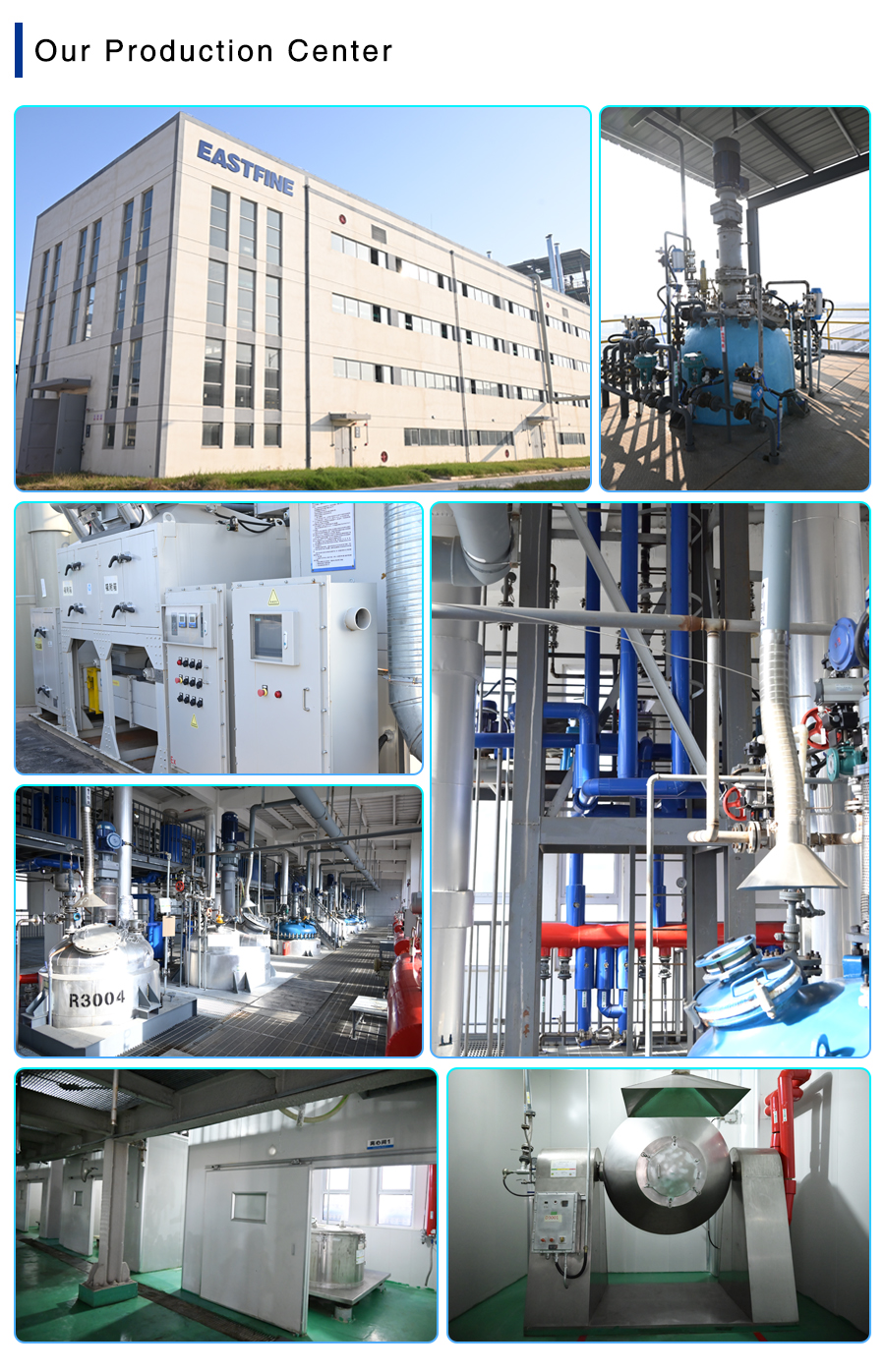
At EASTFINE, we specialize in the development and industrial manufacturing of high-value pharmaceutical and agrochemical intermediates. As a primary manufacturer, we support global life science companies by offering dependable supply chains, rigorous quality assurance, and commercial scalability.
Primary Manufacturing Advantage
By sourcing CAS No. 654-70-6 directly from EASTFINE, you bypass redundant trader markups and gain direct access to our technical team. We maintain reliable raw material pipelines to protect your supply against global market volatility.
Quality Control and Analytical Support
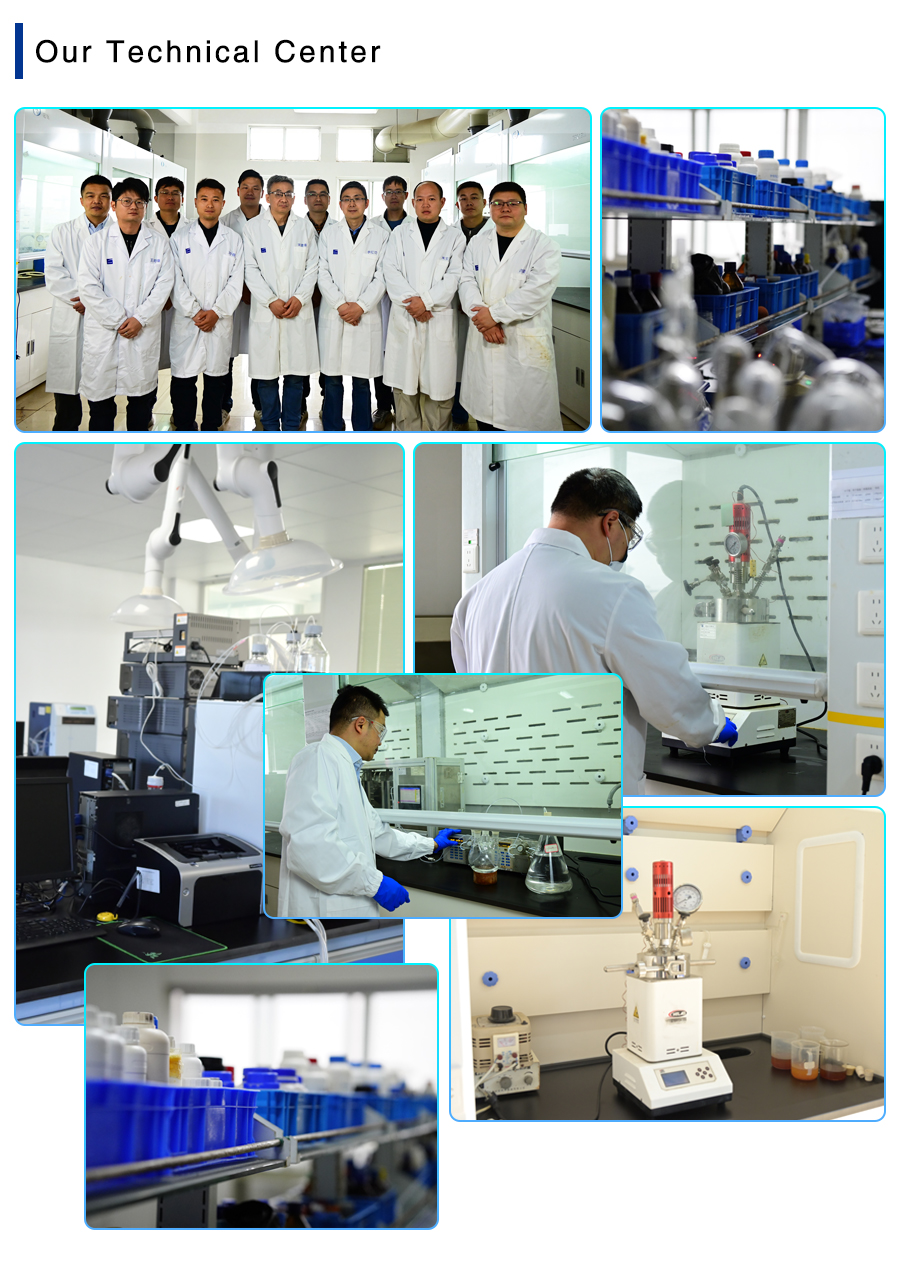
Every batch of 4-Amino-2-(trifluoromethyl)benzonitrile manufactured by EASTFINE undergoes rigorous quality testing. Our analytical facilities use high-performance liquid chromatography (HPLC), gas chromatography (GC), and nuclear magnetic resonance (1H-NMR / 19F-NMR) spectroscopy to guarantee structural identity, batch uniformity, and impurity control.
Custom Packaging and Supply Logistics
EASTFINE supports flexible packaging options tailored to your manufacturing environment—ranging from multi-layer 25 kg fiber drums with double PE liners to customized bulk containers. Our logistics specialists handle global shipping compliance, ensuring timely delivery alongside complete regulatory document support (CoA, SDS, TDS).
Conclusion
4-Amino-2-(trifluoromethyl)benzonitrile (CAS No. 654-70-6) remains an indispensable structural component in oncology and antiandrogen development. Ensuring high structural purity and batch consistency at the intermediate stage directly impacts final API yields and regulatory success.
Partnering with an experienced primary manufacturer like EASTFINE provides the technical reliability, regulatory compliance, and supply chain security needed to bring lifesaving therapies to market efficiently.


 English
 العربية
 Français
 Русский
 Español
 Português
 Deutsch
 italiano
 日本語
日本語 한국어
한국어 Nederlands
 Tiếng Việt
 ไทย
ไทย Polski
 Türkçe
 አማርኛ
አማርኛ ພາສາລາວ
 Bahasa Melayu
 ဗမာစာ
ဗမာစာ Filipino
 Bahasa Indonesia
 magyar
 Română
 Čeština
 қазақ
қазақ Српски
 हिन्दी
 فارسی
فارسی Kiswahili
 Slovenčina
 Slovenščina
 Norsk
Norsk Svenska
 українська
 Ελληνικά
 Suomi
Suomi עברית
עברית Dansk
Dansk اردو
اردو Shqip
Shqip বাংলা
বাংলা Hrvatski
 Gaeilge
 Eesti keel
 Oʻzbekcha
 latviešu
 Azərbaycan dili
 Български
 ქართული
 íslenska
 Lietuvių


 简体中文
简体中文


