Introduction
In today’s highly volatile and intensely regulated fine chemical landscape, chemical procurement strategies have evolved far beyond basic transactional buying. Procurement directors, supply chain managers, and commercial sourcing teams across the global pharmaceutical and agrochemical sectors face unprecedented operational pressures. Sudden raw material shortages, unpredictable lead times, strict environmental compliance mandates, and relentless margin compression have fundamentally changed how enterprise buyers evaluate their supply networks.
When a specialty active pharmaceutical ingredient (API), advanced crop protection agent, or custom intermediate transitions from the laboratory validation stage into full commercial manufacturing, the procurement focus shifts dramatically. While the unit cost per kilogram remains a critical factor, the total cost of ownership, regulatory safety, chemical purity, and guaranteed security of supply become the core parameters driving strategic decision-making.
To build true supply chain resilience and protect production schedules, forward-thinking procurement teams are aggressively replacing spot-market trading channels and regional catalog brokers with strategic, asset-heavy primary manufacturing partnerships. This comprehensive analysis evaluates the market positioning, commercial demand drivers, and complex supply chain dynamics for 4-Amino-2-(trifluoromethyl)benzonitrile (CAS No. 654-70-6), illustrating exactly why direct alignment with an established primary manufacturer like EASTFINE provides a decisive, measurable commercial advantage.
Market Overview & Growing Industrial Demand Drivers
4-Amino-2-(trifluoromethyl)benzonitrile (CAS No. 654-70-6)—also widely known in industry literature as 4-Cyano-3-(trifluoromethyl)aniline or 3-Trifluoromethyl-4-cyanoaniline—is a highly specialized fluorinated aromatic intermediate. Its molecular architecture is defined by three strongly synergistic functional groups positioned on a central benzene ring: a reactive primary amino group (-NH2), a highly electron-withdrawing nitrile group (-CN), and a metabolically stable trifluoromethyl group (-CF3).
This precise arrangement creates a potent, versatile building block for synthesizing complex therapeutic and agricultural targets. Driven by a global industry shift toward highly targeted therapeutics, personalized medicine, and lower-dose agrochemicals with reduced environmental footprints, the commercial demand for CAS No. 654-70-6 continues to grow steadily across several key sectors.
Active Pharmaceutical Ingredients (APIs) and Oncology
The primary driver of global demand for this intermediate lies in the pharmaceutical sector, specifically within the oncology space. 4-Amino-2-(trifluoromethyl)benzonitrile is the foundational core intermediate utilized in the commercial synthesis of first- and second-generation Non-Steroidal Antiandrogens (NSAAs). These targeted therapies, which most notably include Bicalutamide, Enzalutamide, and Apalutamide, are absolutely critical in global oncology portfolios for the treatment of advanced and metastatic prostate cancer.
The unique structural properties of the molecule are what make it so valuable. The trifluoromethyl group provides exceptional lipophilicity and metabolic stability, allowing the final drug molecule to resist rapid degradation by liver enzymes, thereby improving its pharmacokinetic profile and extending its half-life in the human body. Meanwhile, the strong electron-withdrawing nature of both the nitrile and trifluoromethyl groups modulates the basicity of the adjacent structures, enhancing target receptor affinity.
Beyond traditional NSAAs, this specific 4-cyano-3-trifluoromethylphenyl pharmacophore is also being heavily integrated into modern Selective Androgen Receptor Modulators (SARMs). These compounds are designed to treat muscle wasting, osteoporosis, and severe hormone-related disorders by selectively stimulating tissue growth without triggering the systemic side effects typically associated with traditional anabolic steroids. Furthermore, the adjacent nitrile and trifluoromethyl functionalities make this molecule an ideal precursor for synthesizing novel benzimidazoles, quinazolines, and other condensed heterocyclic drug candidates targeted at inflammatory pathways and autoimmune diseases.
Advanced Agrochemicals & Next-Generation Crop Protection
In the realm of modern crop protection chemistry, regulatory agencies worldwide are demanding new formulations that require significantly lower application rates per hectare while ensuring higher environmental safety profiles and lower toxicity to non-target organisms. The incorporation of the 4-amino-2-(trifluoromethyl)benzonitrile moiety imparts exceptional lipophilicity and enhanced metabolic stability into agrochemical active ingredients, mirroring its benefits in the pharmaceutical sector.
This compound serves as a vital structural precursor for synthesizing novel, highly selective herbicides, advanced systemic insecticides, and specialty fungicides. The specific spatial orientation provided by the substituted benzene ring ensures high target receptor affinity in fungal pathogens and invasive weed species, allowing for ultra-low dosage requirements that comply with strict modern agricultural regulations.
Specialty Fine Chemicals & Custom Contract Synthesis
Beyond the life sciences, the dual functionality of the reactive primary amine and the cyano group enables a wide variety of derivatization pathways. Chemical manufacturers utilize this intermediate for diazotization, nucleophilic aromatic substitutions, and amidation reactions. This chemical versatility makes it a highly preferred building block for developing advanced functional performance materials, highly specialized organic dyes, electronic chemicals, and novel organic compounds required in custom contract manufacturing projects.
Supply Chain Bottlenecks & Industry Sourcing Needs
Despite its widespread utility and critical role in life-saving drugs and vital agrochemicals, securing commercial, multi-ton quantities of 4-Amino-2-(trifluoromethyl)benzonitrile introduces specific operational, technical, and regulatory risks. If left unmanaged, these bottlenecks can easily derail downstream production schedules and result in massive financial losses.
Technical & Quality Risks: The Impurity Challenge
The chemical synthesis routes required to produce CAS No. 654-70-6 are complex, often involving intricate halogen substitution, transition-metal-catalyzed cyanation, or high-pressure reduction steps. Poorly controlled reaction parameters at sub-standard manufacturing facilities frequently result in unacceptable levels of residual heavy metals, such as copper or iron catalysts left over from the cyanation process.
Additionally, incomplete bromination or cyanation steps can yield structural isomers and side-products that are notoriously difficult to separate from the target molecule during final purification. In pharmaceutical API manufacturing campaigns, where regulatory scrutiny is absolute, even a minor variation in purity, such as material falling below 98.0%, or the presence of unmonitored trace impurities, can trigger immediate regulatory rejections, complete batch failures, and millions of dollars in lost reactor time and wasted downstream reagents. Procurement teams absolutely require material with a guaranteed purity of 99.0% or higher, backed by rigorous analytical data.
Environmental Compliance & Hazardous Chemistry Risks
Traditional large-scale production pathways for this intermediate rely on hazardous chemical transformations. Sub-scale or poorly capitalized chemical manufacturers frequently lack the advanced waste treatment infrastructure required to handle the toxic effluents generated by these processes safely.
In recent years, global environmental protection agencies have drastically increased their oversight of chemical manufacturing zones. Suppliers operating with inadequate environmental management systems are frequently subjected to sudden regional audits, forced production halts, or massive regulatory fines. When a supplier is shut down by environmental regulators without warning, the enterprise buyer is left stranded without raw materials. Supply chain continuity requires a partner with proactive, certified environmental compliance.
Distributor Fragmentation & Price Instability
A substantial volume of the online chemical listings for 4-Amino-2-(trifluoromethyl)benzonitrile originates not from actual factories, but from regional catalog suppliers, virtual trading houses, and middleman brokers who do not own a single piece of production equipment. Sourcing critical raw materials through these fragmented intermediaries adds unnecessary layers to the supply chain.
Brokers intentionally hide the true manufacturing origins of the chemical, making quality audits impossible. Furthermore, they introduce significant price markups to pad their own margins. More critically, trading houses operate on thin inventory models; they are highly vulnerable to sudden stockouts during high-demand cycles. When global demand surges, these brokers simply cannot supply the material, leaving buyers scrambling to find alternative sources at vastly inflated spot-market prices.
Why Choose EASTFINE? Unrivaled Primary Manufacturing Advantages
To permanently insulate their operations from these vulnerabilities, procurement directors require a direct manufacturing partner capable of offering complete supply chain transparency, robust production capacity, strict quality frameworks, and factory-direct pricing. As a premier primary manufacturer of pharmaceutical and agrochemical intermediates, EASTFINE is engineered specifically to eliminate supply chain friction and deliver total operational reliability for global enterprise buyers.
Strategic Dual-Site Manufacturing Platform (Dalian & Heze)
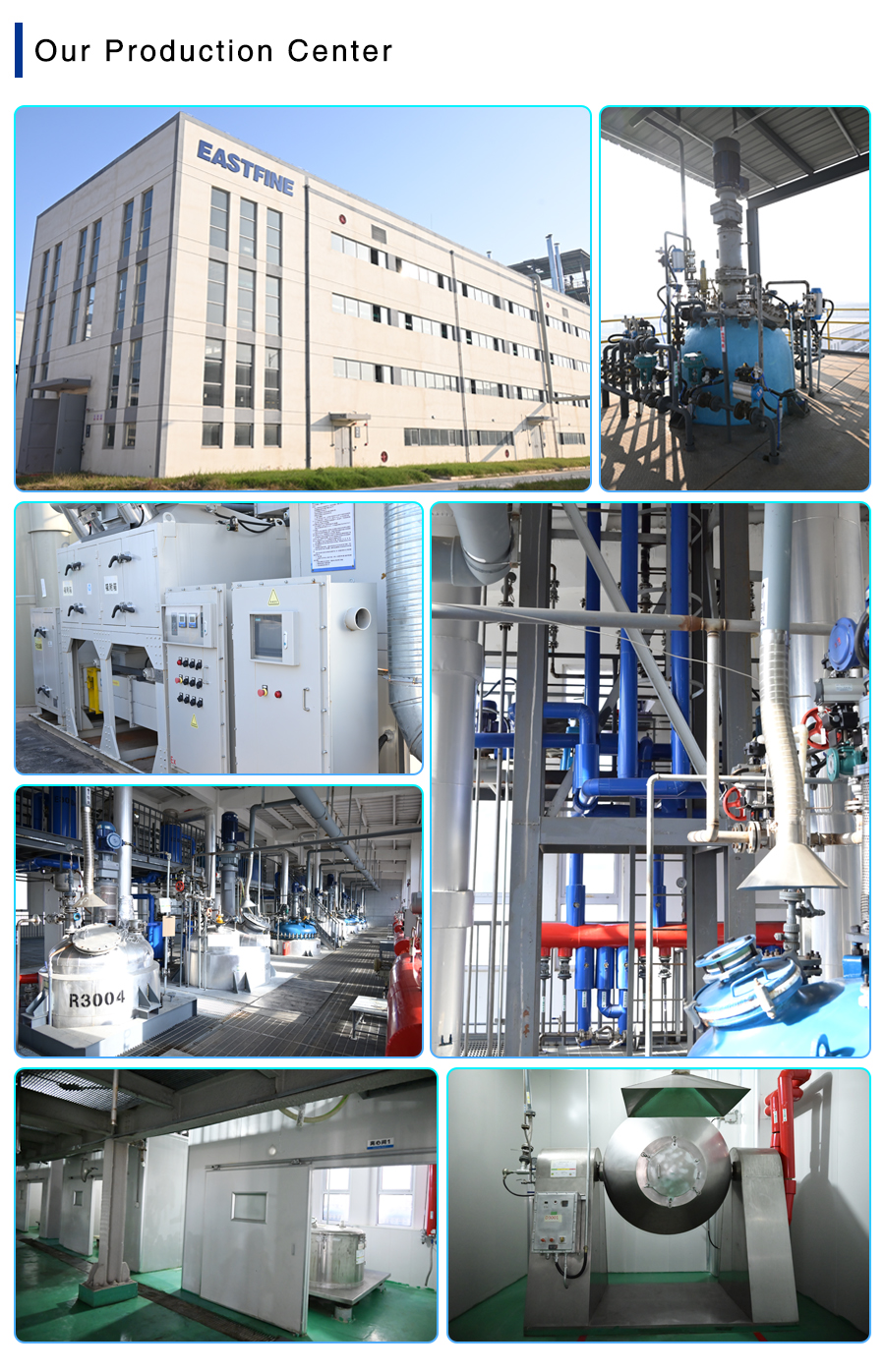
Single-site manufacturing represents one of the most severe operational risks in fine chemical procurement. A localized power curtailment, an unexpected environmental inspection, or even routine preventative maintenance at a single facility can completely disrupt commercial supply lines. To eliminate this critical single point of failure, EASTFINE operates two fully owned, asset-heavy production facilities strategically located in Dalian and Heze.
Both manufacturing facilities feature advanced glass-lined and stainless-steel continuous-flow reaction systems meticulously optimized for high-yield fluorination, halogenation, and cyanation processes. This dual-site architecture provides built-in operational redundancy and dynamic load balancing. If one site faces scheduled maintenance or localized downtime, production allocations for CAS No. 654-70-6 are seamlessly shifted to the secondary facility. Whether your procurement program requires multi-kilogram pilot batches for initial process development or multi-ton annual commercial campaign allocations, our dual-site network guarantees uninterrupted output and strictly on-time delivery.
Comprehensive Quality Management & Auditable Compliance
In life science manufacturing, chemical purity cannot simply be tested into the product at the end of the line; it must be engineered into the process from the very first step. EASTFINE enforces strict, uncompromising quality assurance architectures designed to exceed the rigorous standards demanded by global pharmaceutical and agrochemical developers.
Our reaction lines operate under strict Current Good Manufacturing Practice (cGMP) guidelines. We utilize highly Standardized Operating Procedures (SOPs), fully validated equipment cleaning protocols, and controlled handling environments to completely eliminate the risk of cross-contamination and ensure uniform, batch-to-batch chemical purity of 99.0% or greater.
Furthermore, EASTFINE’s production plants operate under dual ISO Certifications: ISO 9001 for Quality Management Systems and ISO 14001 for Environmental Management Systems. Our proactive environmental management ensures compliant, eco-friendly waste treatment and solvent recovery, protecting your supply chain from sudden regulatory disruptions. Every commercial shipment is accompanied by an audit-ready analytical dossier, including batch-specific Certificates of Analysis (CoA), High-Performance Liquid Chromatography (HPLC) and Gas Chromatography (GC) purity charts, precise moisture content analysis, rigorous heavy metal screening, and fully compliant Safety Data Sheets (SDS).
Innovation-Driven Process R&D & Direct Factory Economics
Partnering directly with EASTFINE provides your organization with unrestricted access to the advanced chemical synthesis expertise that drives efficient, scalable manufacturing. By completely bypassing middleman brokers and virtual trading houses, you secure optimal factory-direct pricing along with total supply chain transparency.
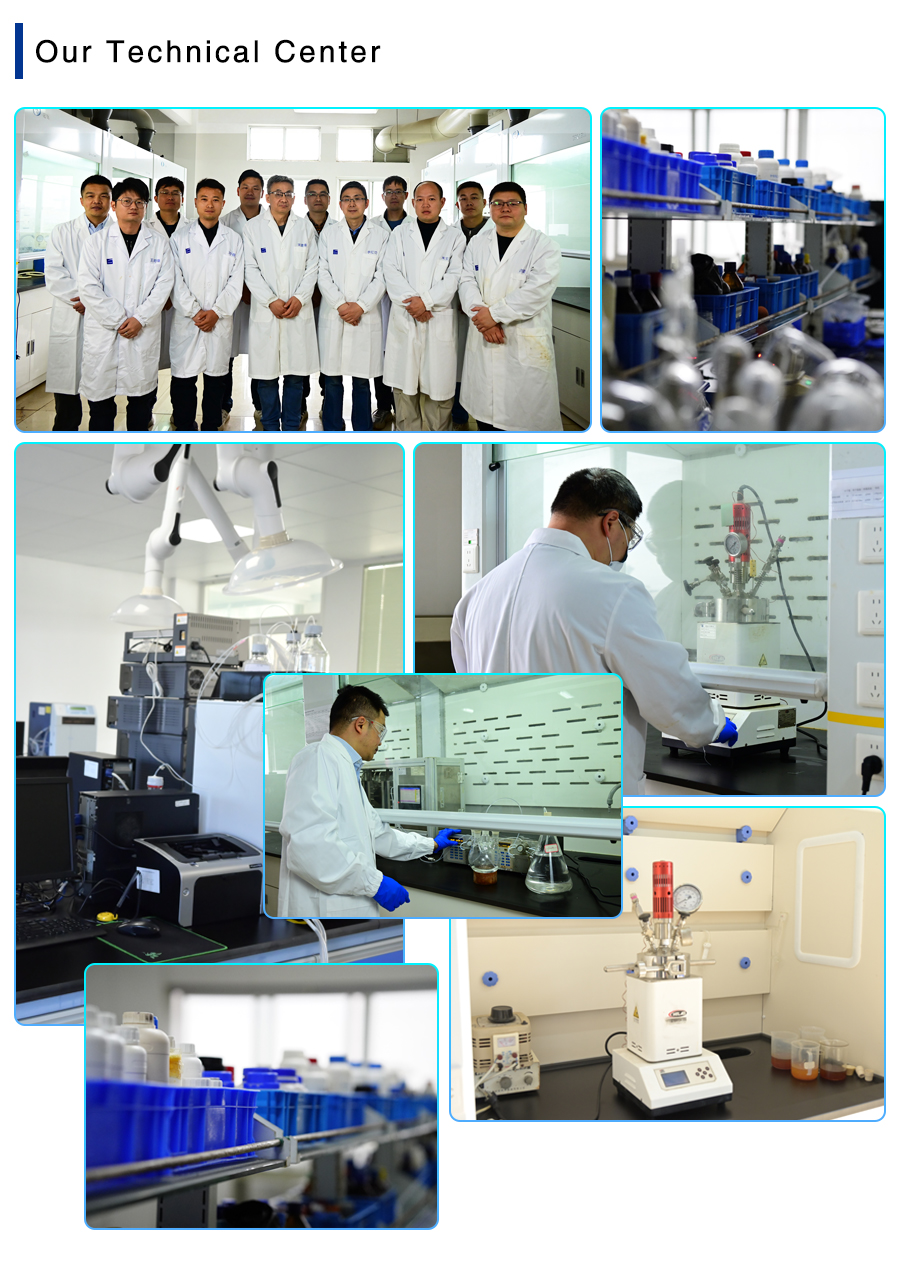
Our centralized research and development institute is led by a senior team of chemical process engineers holding doctoral degrees from top research universities. This R&D team specializes in catalytic optimization, continuous-flow synthesis design, and green chemistry route development. Supported by an impressive intellectual property portfolio that includes 19 invention patents and 8 utility model patents, EASTFINE utilizes highly optimized, proprietary synthetic pathways designed for maximum atom economy, heavily reduced waste generation, and superior overall yields. This technical efficiency directly translates into tighter specification margins and highly competitive factory-direct pricing for our commercial partners.
Advanced Protective Packaging & Turnkey Global Logistics
Because aromatic amines and cyano intermediates are highly susceptible to moisture uptake, photolytic degradation, and atmospheric exposure over time, standard industrial packaging is wholly insufficient for long-distance international transport.
To guarantee product integrity, all commercial shipments of 4-Amino-2-(trifluoromethyl)benzonitrile from EASTFINE are packaged using inert-gassed protective systems. The material is sealed in dry, moisture-resistant environments inside UN-rated fiber or heavy-duty steel drums, all fitted with hermetically sealed double polyethylene inner liners. This rigorous packaging protocol protects the product's color profile and maintains strict purity parameters throughout extended ocean freight transit.
Additionally, situated near major ocean ports and international shipping hubs, EASTFINE operates a dedicated, integrated export logistics unit. Our internal team handles all complex dangerous goods documentation, seamless customs clearance, and global ocean or air freight dispatch, ensuring turnkey, door-to-door delivery reliability anywhere in the world.
Client-Centric Collaboration & Long-Term Contract Tailoring
At EASTFINE, we recognize that every enterprise buyer operates with distinct campaign timelines, unique regulatory filing requirements, and highly specific technical constraints. We do not force our partners into rigid procurement models. Instead, we offer custom packaging unit sizes and precise parameter adjustments—such as custom impurity limits or specific particle size distributions—to match your exact internal manufacturing specifications.
We operate with total transparency and actively welcome customer quality audits. Our open-door policy grants your internal Quality Assurance and regulatory affairs teams complete visibility into our site operations, analytical validation protocols, and batch manufacturing records. For enterprise clients looking for maximum security, we offer long-term, fixed-price blanket contracts with guaranteed reserved production capacity. This strategic approach protects your corporate operating budgets against global raw material price swings and completely insulates you from spot-market volatility.
Partnering for Strategic Supply Chain Growth
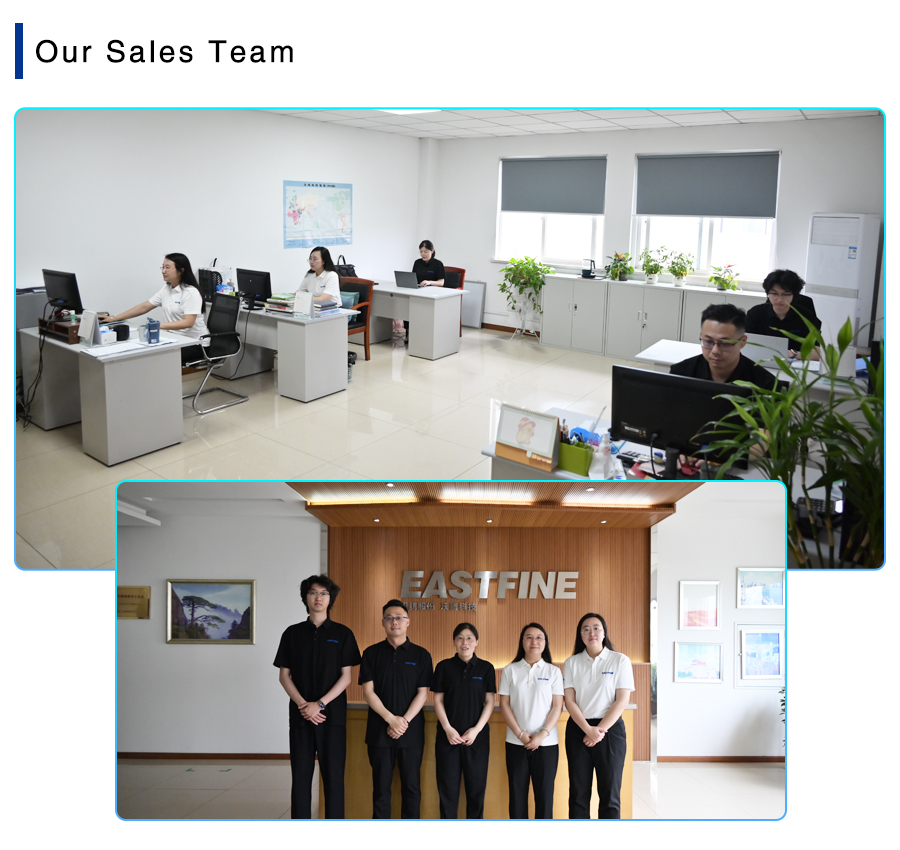
Securing a stable, high-purity, commercial-scale supply of 4-Amino-2-(trifluoromethyl)benzonitrile (CAS No. 654-70-6) does not have to be an ongoing source of operational stress or financial risk for your manufacturing campaigns. By decisively bypassing third-party catalog distributors and contracting directly with EASTFINE as your primary manufacturer, global procurement teams gain an unbeatable strategic advantage.
You secure cGMP-aligned manufacturing, the fail-safe security of dual-site production redundancy across Dalian and Heze, ISO-certified quality control, patent-backed process innovation, highly specialized protective packaging, and the unmistakable economic benefit of direct factory pricing. Whether you are actively scaling up a critical active pharmaceutical ingredient, synthesizing advanced crop protection solutions, or securing multi-ton commercial allocations for the upcoming fiscal year, EASTFINE provides the deep technical capability, unwavering regulatory rigor, and guaranteed supply security required to power your long-term commercial success.
De-risk your fine chemical intermediate procurement strategy today. Contact the commercial sourcing team at EASTFINE to request detailed factory-direct quotations, review our complete technical compliance dossiers, or formally reserve your commercial campaign allocations.


 English
 العربية
 Français
 Русский
 Español
 Português
 Deutsch
 italiano
 日本語
日本語 한국어
한국어 Nederlands
 Tiếng Việt
 ไทย
ไทย Polski
 Türkçe
 አማርኛ
አማርኛ ພາສາລາວ
 Bahasa Melayu
 ဗမာစာ
ဗမာစာ Filipino
 Bahasa Indonesia
 magyar
 Română
 Čeština
 қазақ
қазақ Српски
 हिन्दी
 فارسی
فارسی Kiswahili
 Slovenčina
 Slovenščina
 Norsk
Norsk Svenska
 українська
 Ελληνικά
 Suomi
Suomi עברית
עברית Dansk
Dansk اردو
اردو Shqip
Shqip বাংলা
বাংলা Hrvatski
 Gaeilge
 Eesti keel
 Oʻzbekcha
 latviešu
 Azərbaycan dili
 Български
 ქართული
 íslenska
 Lietuvių


 简体中文
简体中文


