Introduction
In today’s volatile fine chemical landscape, chemical procurement strategies have evolved far beyond basic transactional buying. Procurement directors and global supply chain managers across the pharmaceutical and agrochemical sectors face unprecedented operational pressures: sudden raw material shortages, unpredictable lead times, strict environmental compliance mandates, and relentless margin compression.
When a specialty active pharmaceutical ingredient (API), advanced agrochemical, or fine chemical intermediate transitions from laboratory validation to full commercial manufacturing, the procurement focus shifts dramatically. Unit cost per kilogram remains a factor, but total cost of ownership, regulatory safety, and guaranteed security of supply become the core parameters driving decision-making.
To build true supply chain resilience, forward-thinking procurement teams are replacing spot-market trading channels with strategic, asset-heavy primary manufacturing partnerships. This comprehensive analysis evaluates the market positioning, industrial applications, and sourcing risk factors for Cyclopentanecarbaldehyde (CAS No. 872-53-7), illustrating why direct alignment with an established primary manufacturer like EASTFINE provides a decisive commercial advantage.
The Commercial & Technical Reality: Why CAS No. 872-53-7 Matters
Cyclopentanecarbaldehyde (CAS No. 872-53-7)—also globally cataloged as Cyclopentanecarboxaldehyde or Formylcyclopentane—sits at a crucial junction in modern organic synthesis. Characterized by a reactive formyl group bound directly to a saturated five-membered ring, it serves as an indispensable cycloalkyl building block for introducing structural rigidity and lipophilicity into target molecules.
Driven by global shifts toward higher target specificity in human health and crop protection, commercial demand for CAS No. 872-53-7 continues to expand rapidly across three primary industrial sectors:
Active Pharmaceutical Ingredients (APIs)
In medicinal chemistry, the cyclopentyl ring acts as a conformationally restricted hydrophobic motif. It effectively fills binding pockets within enzyme targets or receptors without introducing unnecessary molecular weight or rotatable bonds. Cyclopentanecarbaldehyde serves as a primary intermediate in synthesizing drug candidates for central nervous system (CNS) disorders, antiviral therapies, cardiovascular agents, and complex heterocyclic target structures.
Next-Generation Agrochemical Formulations
Modern crop protection demands lower application rates and higher environmental safety profiles. Cyclopentanecarbaldehyde is a key starting precursor for novel selective herbicides, fungicides, and plant growth regulators. The ring structure provides precise steric orientations that enhance receptor binding in targeted weeds or fungal pathogens.
Specialty Fine Chemicals & Custom Synthesis
Beyond life sciences, the molecule's reactive aldehyde functional group is widely utilized in custom chemical manufacturing to synthesize specialized aroma chemicals, fine chemical modifications, and functional performance materials via nucleophilic additions, condensation reactions, and reductive aminations.
Sourcing Bottlenecks & Operational Vulnerabilities
Despite its wide industrial utility, securing Cyclopentanecarbaldehyde at commercial scale introduces distinct operational and supply chain vulnerabilities that can compromise downstream production schedules:
Oxidative Degradation & Specification Drift
Like many aliphatic aldehydes, Cyclopentanecarbaldehyde is highly sensitive to atmospheric oxygen. Upon exposure to air, it undergoes auto-oxidation to form cyclopentanecarboxylic acid. Sourcing through multi-tiered broker networks increases handling frequency and exposure risks. Receiving multi-ton shipments with elevated acid content alters reaction stoichiometry, consumes extra reagents, and severely degrades downstream campaign yields.
Distributor Fragmentation & Price Instability
A substantial volume of online chemical listings originates from catalog trading houses and regional middleman brokers rather than asset-heavy synthesis plants. Relying on trading intermediaries introduces unnecessary price inflation, obscures the primary manufacturing origin, and exposes buyers to sharp price spikes during raw material supply fluctuations.
Unpredictable Lead Times & Supply Halts
Catalog suppliers typically operate without dedicated bulk production assets. When global demand surges or regional environmental audits temporarily pause localized production, trading houses lack the operational flexibility to fulfill multi-ton orders. Unannounced campaign delays leave commercial buyers facing costly reactor downtime and missed seasonal delivery windows.
Strategic Sourcing Criteria: Beyond Per-Kilogram Pricing
To insulate their organizations against supply chain volatility, enterprise procurement teams must evaluate intermediate suppliers through a Total Cost of Ownership (TCO) lens. Evaluating partners based on five foundational pillars ensures seamless campaign execution:
Direct Manufacturer Transparency:
Contracting directly with primary asset owners provides direct factory pricing, open technical lines of communication, and absolute clarity regarding the product's origin.
Built-In Supply Redundancy:
Partnering with suppliers operating multiple production locations eliminates single-source failure risks during regional shutdowns or logistics delays.
Rigorous Quality Management Systems:
Suppliers must maintain verified, auditable quality systems (such as cGMP guidelines and ISO certifications) to guarantee batch-to-batch repeatability.
Validated Storage & Inert Packaging:
The supplier must employ strict nitrogen-purging and stabilization protocols during packaging to prevent auto-oxidation during transit.
Turnkey Global Logistics:
Primary partners must possess internal export capabilities, handling customs clearance, dangerous goods packaging, and ocean freight logistics efficiently.
Why Choose EASTFINE? Unrivaled Primary Manufacturing Advantages
As a leading primary manufacturer of pharmaceutical and agrochemical intermediates, EASTFINE is engineered specifically to eliminate supply chain friction, de-risk chemical procurement, and deliver total operational reliability for global enterprise buyers.
Strategic Dual-Site Manufacturing (Dalian & Heze)
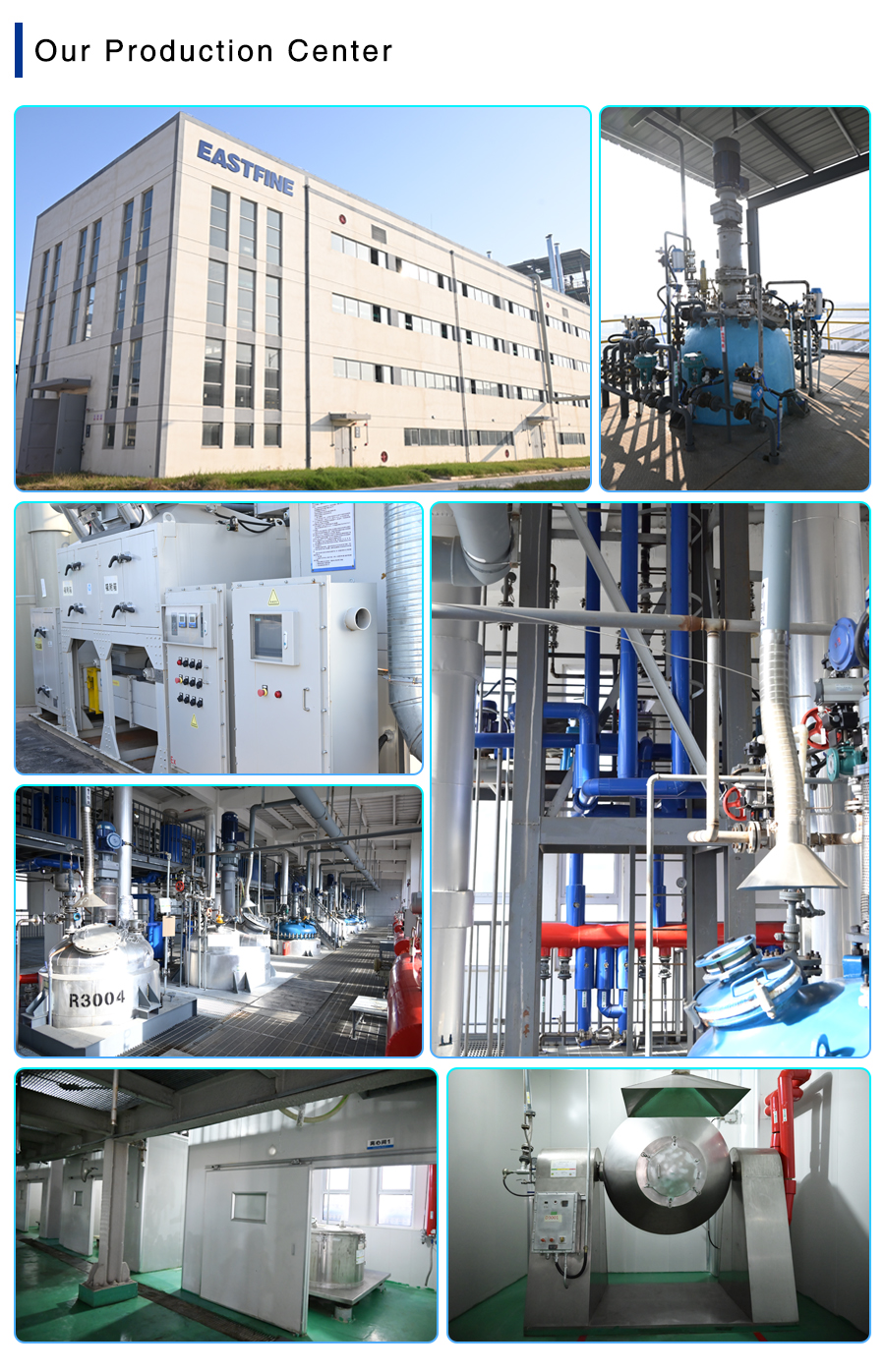
Single-site manufacturing represents one of the single greatest operational risks in global chemical procurement. To overcome this vulnerability, EASTFINE operates two fully owned, mirrored production platforms located in Dalian and Heze.
This dual-site platform provides built-in operational redundancy: if one facility undergoes scheduled maintenance, local environmental checks, or regional logistics bottlenecks, our secondary site seamlessly balances output. Commercial allocations for CAS No. 872-53-7 remain completely protected year-round, ensuring your production lines never go dark.
World-Class Quality Management System (cGMP, ISO 9001 & ISO 14001)
At EASTFINE, quality control is integrated directly into every phase of reaction design, raw material gatekeeping, and product packaging:
cGMP-Aligned Operational Protocols:
Our manufacturing operations adhere to strict Current Good Manufacturing Practice (cGMP) standards. Rigorous equipment cleaning validations, standardized operating procedures (SOPs), and strict environmental controls eliminate cross-contamination risks and guarantee uniform batch-to-batch consistency.
ISO 9001:2015 & ISO 14001:2015 Certifications:
Fully certified under ISO 9001 (Quality Management) and ISO 14001 (Environmental Management), EASTFINE ensures that commercial production meets internationally audited quality metrics while adhering to eco-friendly, sustainable manufacturing practices.
Audit-Ready Documentation & Analytical Suite:
Every commercial lot of Cyclopentanecarbaldehyde is backed by a complete analytical dossier—including batch-specific Certificates of Analysis (CoA), Gas Chromatography (GC) assay reports, Karl Fischer moisture testing, and compliant Safety Data Sheets (SDS)—enabling rapid QA clearance at your receiving facilities.
Patent-Backed Innovation & Direct Factory Economies
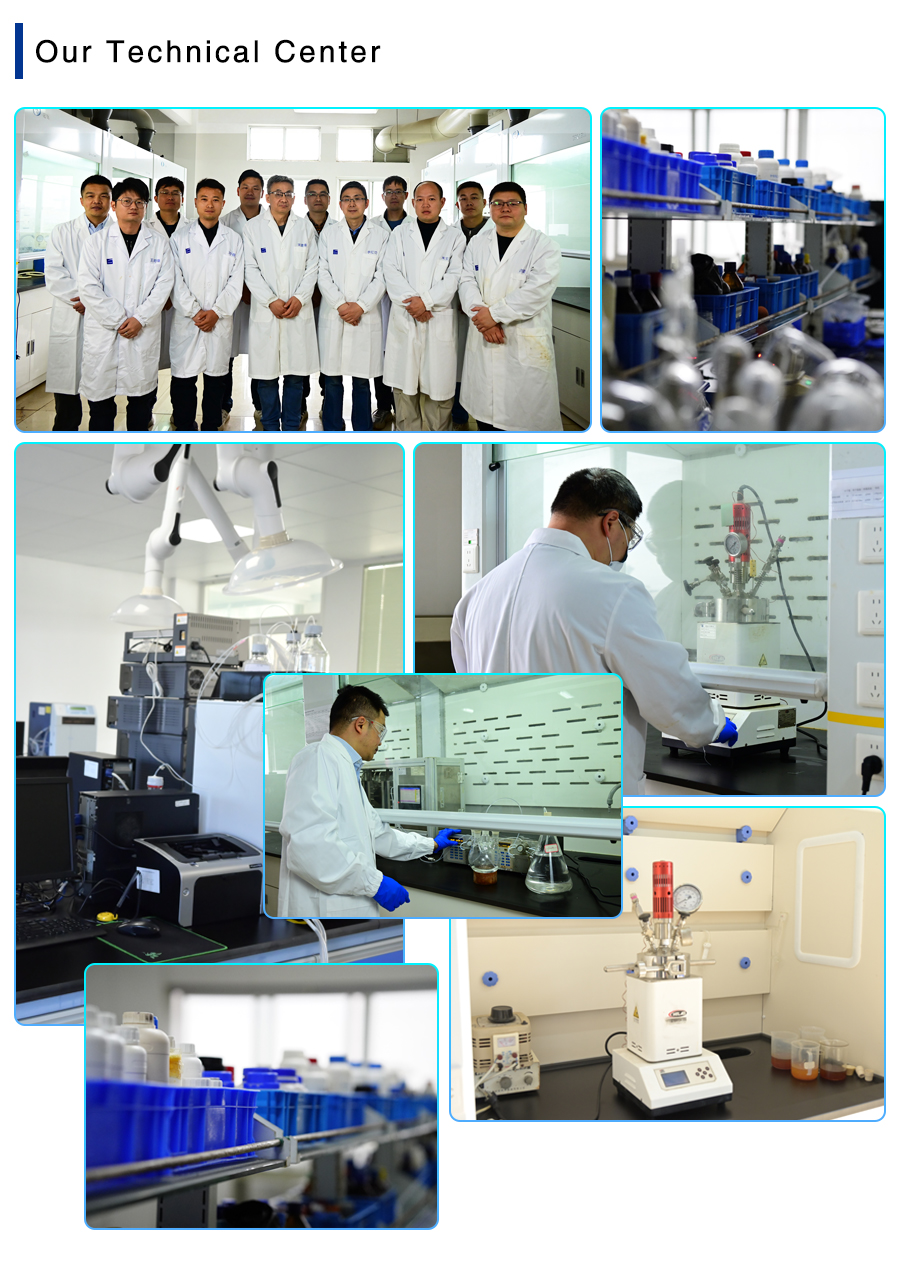
Our commercial leadership is supported by an elite in-house R&D team led by senior process chemists with doctoral degrees. Supported by 19 invention patents and 8 utility model patents, we continually optimize synthetic pathways for maximum atom economy, reduced energy consumption, and high product yields (≥ 98.0%). By partnering directly with EASTFINE, you bypass broker markups and secure transparent, factory-direct pricing.

Specialized Packaging & Global Export Capabilities
To prevent oxidative degradation during ocean transport, EASTFINE packs Cyclopentanecarbaldehyde under a strict inert nitrogen blanket in specialized, heavy-duty UN-rated containers fitted with double polyethylene inner liners. Situated near major international shipping hubs, our dedicated logistics team manages complete export dossiers for rapid, hassle-free customs clearance worldwide.
Product Insights: Technical & Operational Summary
To assist internal process chemistry and manufacturing teams, the following operational summary outlines the handling, processing, and application dynamics of Cyclopentanecarbaldehyde:
What is Cyclopentanecarbaldehyde?
Cyclopentanecarbaldehyde (CAS No. 872-53-7) is a cyclic aliphatic aldehyde featuring a reactive formyl group attached directly to a five-membered cyclopentane ring (C6H10O).
Applications of Cyclopentanecarbaldehyde
Pharmaceuticals:
Key building block for incorporating lipophilic cyclopentyl moieties into CNS drugs, antiviral compounds, and enzyme inhibitors.
Agrochemicals:
Intermediate for low-dose, high-efficiency herbicides and fungicides.
Fine Chemistry:
Used in custom organic synthesis for C–C bond formation, reductive aminations, and specialized aroma derivatives.
Advantages of Cyclopentanecarbaldehyde
High Reactivity:
Electrophilic formyl group allows facile condensations and couplings.
Steric Tailoring:
The rigid 5-membered ring optimizes spatial binding in target biological receptors.
Conclusion: Empowering Commercial Growth Through Strategic Alignment
Securing a reliable, high-purity supply of Cyclopentanecarbaldehyde (CAS No. 872-53-7) does not need to introduce operational or financial risk into your manufacturing campaigns. By bypassing third-party catalog distributors and contracting directly with EASTFINE, global procurement teams gain an unbeatable strategic advantage: cGMP-aligned manufacturing, dual-site production security across Dalian and Heze, ISO-certified quality control, and direct factory pricing.
Whether you are scaling up a novel active pharmaceutical ingredient or locking in multi-ton commercial allocations for next-generation agrochemicals, EASTFINE provides the technical capability and supply security necessary to power your long-term success.
De-risk your intermediate procurement strategy today. Contact the commercial sourcing team at EASTFINE to request factory-direct quotations, review complete technical compliance dossiers, or secure campaign allocations for Cyclopentanecarbaldehyde (CAS No. 872-53-7).


 English
 العربية
 Français
 Русский
 Español
 Português
 Deutsch
 italiano
 日本語
日本語 한국어
한국어 Nederlands
 Tiếng Việt
 ไทย
ไทย Polski
 Türkçe
 አማርኛ
አማርኛ ພາສາລາວ
 Bahasa Melayu
 ဗမာစာ
ဗမာစာ Filipino
 Bahasa Indonesia
 magyar
 Română
 Čeština
 қазақ
қазақ Српски
 हिन्दी
 فارسی
فارسی Kiswahili
 Slovenčina
 Slovenščina
 Norsk
Norsk Svenska
 українська
 Ελληνικά
 Suomi
Suomi עברית
עברית Dansk
Dansk اردو
اردو Shqip
Shqip বাংলা
বাংলা Hrvatski
 Gaeilge
 Eesti keel
 Oʻzbekcha
 latviešu
 Azərbaycan dili
 Български
 ქართული
 íslenska
 Lietuvių


 简体中文
简体中文


