


Views: 0 Author: Site Editor Publish Time: 2026-08-04 Origin: Site
When people picture modern agriculture, they usually think of massive combines rolling through golden fields, satellite-guided tractors, or high-tech crop-monitoring drones. But if you zoom all the way down to the molecular level, the real magic happens in quiet, pristine white powders sitting inside heavy-duty industrial drums.
Today, we’re putting the spotlight on one specific molecule that works tirelessly behind the scenes: N-Methyl-N-isopropylsulfamoyl amide—or CAS No. 372136-76-0 if you want to save yourself a mouthful.
It might look like just another fine chemical compound on a safety data sheet, but in the global agricultural supply chain, it’s a powerhouse starting block driving high-potency weed control across millions of acres worldwide.
Think of CAS No. 372136-76-0 as a specialized "molecular Lego brick."
In organic chemistry terms, it belongs to the sulfamide family and carries the chemical formula C4H12N2O2S, weighing in at a lightweight 152.22 g/mol. What makes this molecule so valuable to synthetic chemists isn't just its sulfur-oxygen core—it's the unique asymmetric design on its nitrogen atom, which features one small methyl group alongside a bulkier, branched isopropyl group.
This specific molecular arrangement delivers two major practical benefits in chemical manufacturing:
That exact combination of methyl and isopropyl groups gives the molecule a very distinct 3D geometry. When built into downstream herbicides (most notably PPO-inhibitors like Saflufenacil), this shape acts like a master key. It allows the final active ingredient to dock perfectly into the target plant enzyme—specifically Protoporphyrinogen IX Oxidase (PPO)—shutting down weed growth almost instantly upon contact.
The isopropyl group adds just enough lipid solubility to help the final herbicide penetrate thick, waxy plant leaves, while the sulfamoyl amide core keeps the molecule stable enough to do its job without breaking down prematurely.
In short: without this precise aminosulfonamide building block, synthesizing targeted, fast-acting broadleaf herbicides becomes vastly more difficult, inefficient, and expensive.
If you follow global agriculture or chemical logistics, you know that weed resistance is one of the biggest challenges facing growers today. Legacy single-mode herbicides just aren't clearing fields like they used to, particularly when dealing with tough broadleaf weeds in corn, soybean, and cereal crops.
To protect crop yields without tearing up topsoil through aggressive tillage, growers in agricultural hubs across North America, South America, and Asia-Pacific are shifting heavily toward PPO-inhibitor pre-mix formulations.
Because CAS No. 372136-76-0 is the essential starting material for these formulations, global demand for multi-ton shipments has grown rapidly year after year. When regional planting seasons arrive, active ingredient manufacturers need tons of this intermediate delivered on exact schedules. A two-week shipping delay or a bad batch with high moisture content can stall an entire commercial production run.
On paper, synthesizing a basic sulfamide looks straightforward enough. But when you scale up from a university flask to a multi-ton industrial reactor, CAS No. 372136-76-0 has a few quirky sensitivities:
The aminosulfonamide bond can undergo hydrolysis if process humidity isn't strictly controlled. If a supplier ships material with a moisture content over 0.20%, those trace water molecules will ruin downstream coupling reactions, reducing campaign yields and creating unwanted side-products.
If the amination reaction isn't washed and purified properly, residual inorganic chlorides get left behind. In subsequent synthesis steps, these trace chlorides can act as a catalyst poison, shortening the life of expensive catalyst beds and raising operating costs.
That’s why experienced procurement leads don't just buy on price—they look for primary chemical manufacturers who control reaction temperatures to achieve ≥ 99.0% purity without creating troublesome impurities.
Whether you're a B2B procurement manager coordinating multi-container supply lines or a commercial director planning next season's inventory, supply chain stability and transparent sourcing are what let you sleep soundly at night. Bypassing third-party brokers and spot-market traders to work directly with a primary manufacturer protects your operating margins and guarantees material consistency.
At EASTFINE, we bring thirty years of fine chemical excellence to the table, ensuring your intermediate procurement remains smooth, reliable, and cost-effective:
Supply chain redundancy is non-negotiable in modern industrial sourcing. We operate two fully owned, mirrored production platforms located in Dalian and Heze. This dual-site strategy provides complete operational continuity—guaranteeing your multi-ton orders stay on schedule even during routine plant maintenance, seasonal environmental checks, or regional logistics bottlenecks.
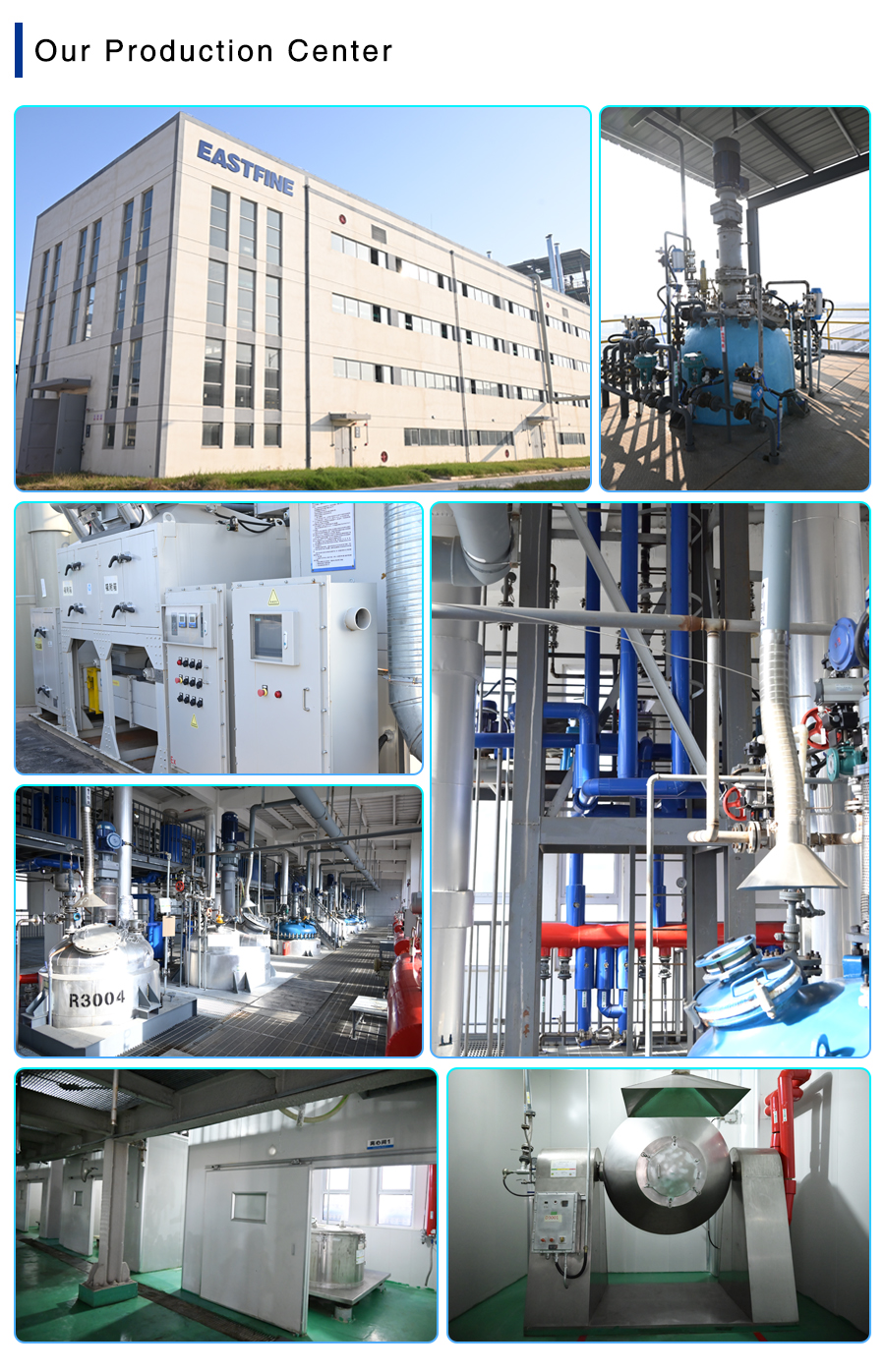
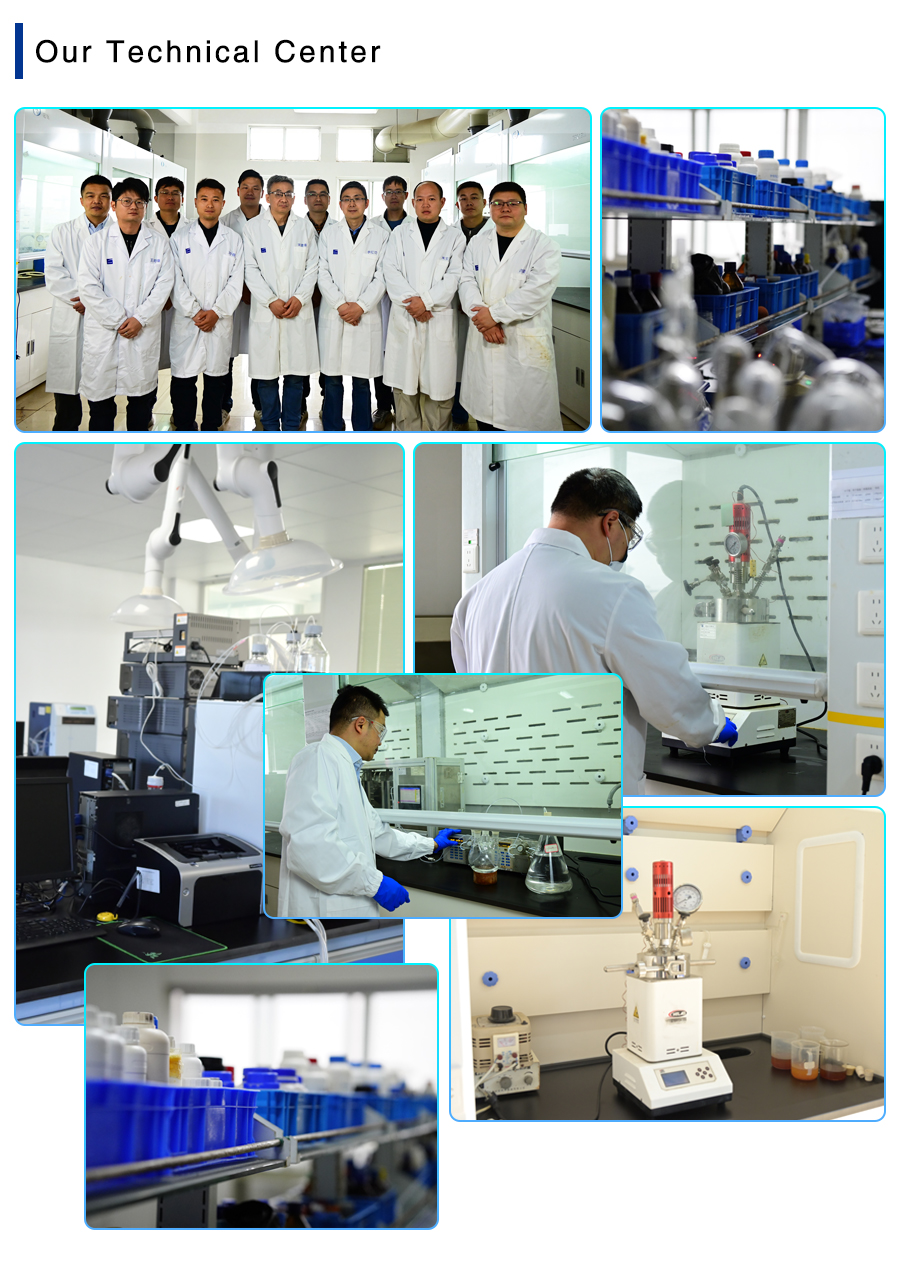
Our operational strength is driven by an elite in-house R&D team led by senior process chemists holding doctoral degrees. Backed by 19 invention patents and 8 utility model patents, we continually optimize low-temperature reaction pathways to yield maximum purity (≥ 99.0%), minimal waste, and market-competitive factory-direct pricing.
Every batch of N-Methyl-N-isopropylsulfamoyl amide undergoes rigorous internal QA/QC testing before packaging. We provide complete analytical documentation—including batch-specific Certificate of Analysis (CoA), High-Performance Liquid Chromatography (HPLC) assays, and Safety Data Sheets (SDS)—guaranteeing zero-defect integration into your reactors.
To protect material against moisture and atmospheric degradation during maritime transit, material is packed in heavy-duty, UN-rated 25 kg/50 kg fiber drums equipped with double PE inner liners. Situated near major shipping hubs, EASTFINE handles complete export dossiers and custom logistics to ensure rapid, hassle-free port clearance across North America, LATAM, Europe, and Asia-Pacific.

It’s easy to overlook simple white powders like CAS No. 372136-76-0, but they are the quiet backbone supporting global food production and crop protection efficiency. When your production lines depend on consistent quality, predictable pricing, and unshakeable supply security, skipping the middlemen and going straight to an experienced primary manufacturer makes all the difference.


 简体中文
简体中文

