Introduction
In high-stakes pharmaceutical manufacturing, the chemical integrity of an active pharmaceutical ingredient (API) depends heavily on the purity, structural consistency, and physical stability of its starting intermediates. For targeted oncology drugs—particularly non-steroidal antiandrogens (NSAAs) like Bicalutamide, Enzalutamide, and Apalutamide—4-Amino-2-(trifluoromethyl)benzonitrile (CAS No. 654-70-6) serves as a foundational structural building block.
As therapeutic candidates transition from initial clinical trial evaluation into large-scale commercial output, regulatory oversight surrounding raw material quality increases significantly. Adopting cGMP-aligned manufacturing controls, implementing Quality by Design (QbD) principles, and establishing rigorous analytical parameters for CAS No. 654-70-6 are essential steps to protect synthetic yields, ensure patient safety, and satisfy global regulatory filings.
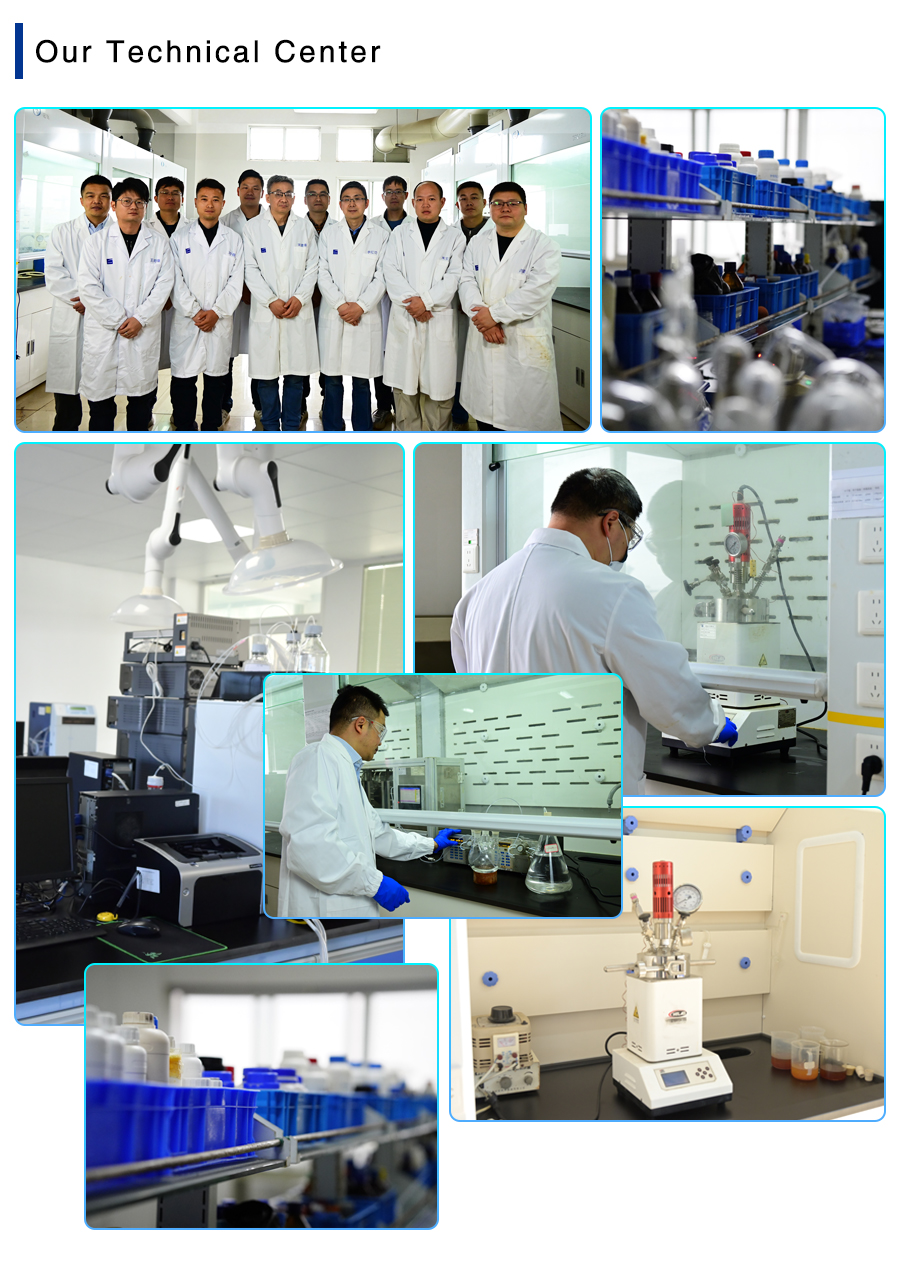
Physical, Chemical, and Technical Specifications
Maintaining tight specification windows during commercial intermediate production prevents downstream synthesis failures and unpredicted side-reactions. The comprehensive parameters outlined below define the chemical standard required for commercial-grade 4-Amino-2-(trifluoromethyl)benzonitrile utilized in oncology API supply chains.
Comprehensive Product Specification Profile
| Technical Parameter | Specification / Quality Standard | Analytical Method |
| Chemical Name | 4-Amino-2-(trifluoromethyl)benzonitrile | IUPAC Nomenclature |
| Synonyms | 4-Cyano-3-(trifluoromethyl)aniline; 5-Amino-2-cyanobenzotrifluoride | Chemical Abstract Services |
| CAS Registry Number | 654-70-6 | Official CAS Index |
| Molecular Formula | C8H5F3N2 | Elemental Composition |
| Molecular Weight | 186.13 g/mol | Mass Spectrometry / Theoretical |
| Physical Appearance | Off-white to light yellow crystalline powder | Visual Inspection |
| Melting Point Range | 141 - 145 °C | Capillary Melting Point Apparatus |
| Boiling Point | 294.5 ± 40.0 °C at 760 mmHg | Calculated / Distillation Profile |
| Density | 1.37 ± 0.1 g/cm3 | Pycnometry |
| Assay Purity | ≥ 99.0% | High-Performance Liquid Chromatography (HPLC) |
| Single Individual Impurity | ≤ 0.10% | HPLC Area Percent |
| Total Impurities | ≤ 1.00% | Cumulative HPLC Area Percent |
| Moisture Content | ≤ 0.50% | Karl Fischer Titration |
| Residue on Ignition / Ash | ≤ 0.10% | Gravimetric Analysis |
| Residual Heavy Metals | ≤ 10 ppm | Inductively Coupled Plasma Mass Spectrometry (ICP-MS) |
Critical Quality Attributes (CQAs) in cGMP-Aligned Intermediate Synthesis
Within a cGMP-aligned manufacturing environment, specific chemical and physical attributes must be monitored continuously from raw material charging through to final crystallizing and packaging. Uncontrolled variations in these parameters can trigger batch rejections, compromise API compliance, or generate unexpected degradation products during long-term storage.
Chromatographic Purity and Isomer Control
To ensure high downstream coupling efficiency, commercial batches of CAS No. 654-70-6 must maintain a minimum HPLC assay purity of 99.0%. Industrial synthetic routes—which often involve nitration, reduction, halogen substitution, or catalytic cyanation steps—can yield structural regioisomers and unreacted aromatic precursors.
Controlling individual unknown impurities to strict thresholds at or below 0.10% prevents these side-products from reacting during subsequent synthetic steps. Left unmonitored, structural impurities can form genotoxic or difficult-to-isolate side-compounds in the final API, complicating downstream purification and regulatory clearing.
Transition-Metal Catalyst Residues
Introducing the nitrile (-CN) handle onto the aromatic ring frequently relies on transition-metal-catalyzed cyanation chemistries using copper, zinc, or palladium complexes. Under cGMP guidelines, strict aqueous washing, selective chelating, and controlled re-crystallization protocols must be enforced to reduce residual heavy metals to low parts-per-million (ppm) levels.
Excessive metal residues act as unwanted pro-oxidants in downstream reaction steps, degrading sensitive active drug substances, discoloring final powders, and triggering regulatory hold orders during elemental impurity testing (ICH Q3D compliance).
Residual Solvent Control via GC-Headspace
Solvents used throughout reaction, extraction, and purification phases—such as toluene, dimethylformamide (DMF), dichloroethane, or alcohols—must be systematically tracked using Gas Chromatography with Headspace (GC-HS). Intermediate batches must strictly comply with ICH Q3C guidelines regarding Class 1, Class 2, and Class 3 solvent limits.
Eliminating volatile organic residues prevents unwanted solvolysis side-reactions during downstream anhydrous amidation or coupling procedures.
Moisture Content and Environmental Sensitivity
Aromatic molecules containing both primary amine (-NH2) and cyano (-CN) groups are naturally susceptible to atmospheric moisture uptake and light-induced oxidation over extended storage periods. Controlling moisture levels to below 0.50% via Karl Fischer titration ensures that water molecules do not interfere with moisture-sensitive coupling reagents or cause hydrolytic side-reactions in downstream API processes.
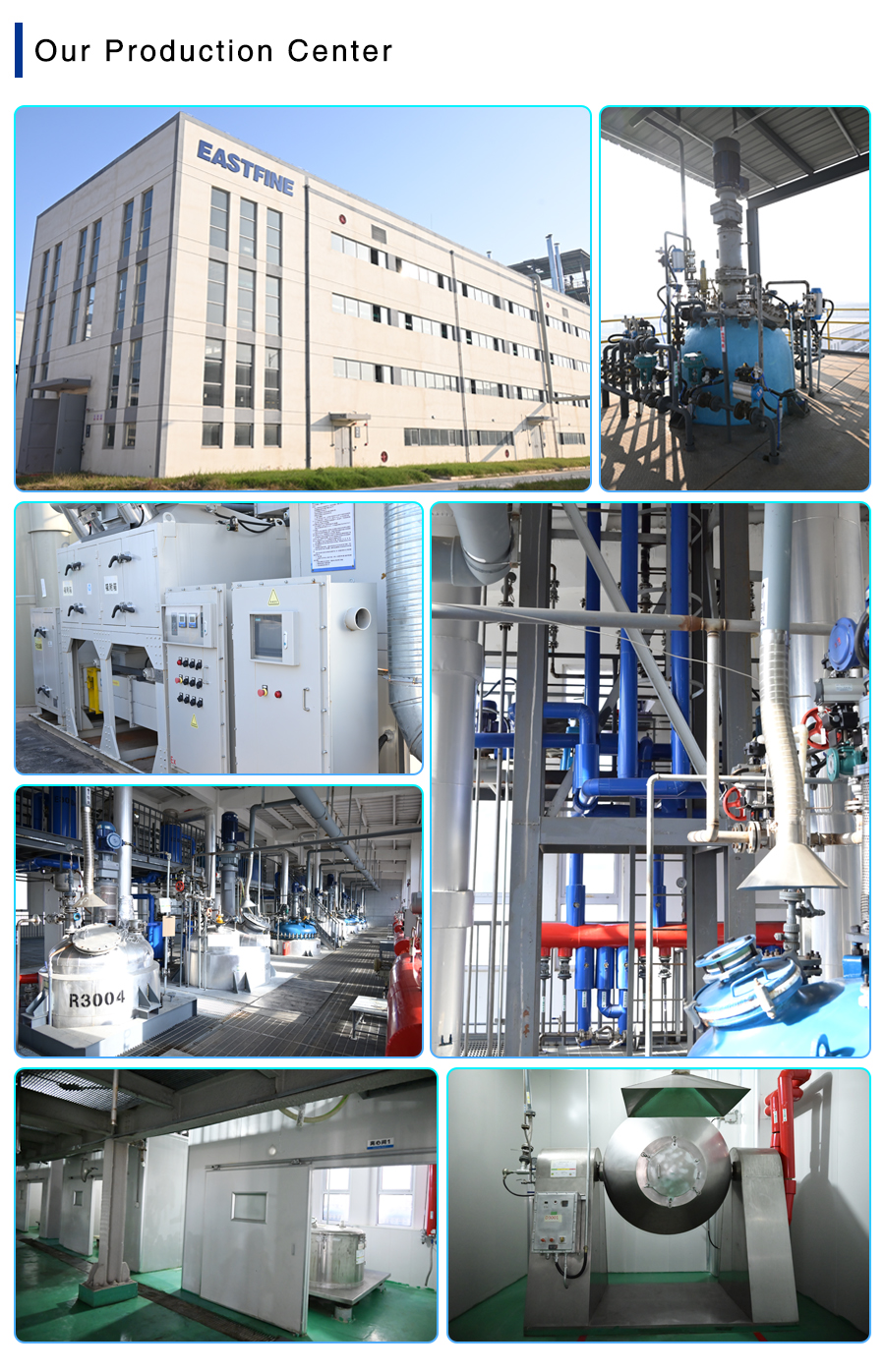
Implementing Quality by Design (QbD) in Fine Chemical Manufacturing
Achieving high-grade batch-to-batch consistency across multi-ton commercial production runs requires moving beyond basic end-product testing. Leading chemical manufacturers embed a complete Quality by Design (QbD) framework directly into the synthetic process engineering.
Process Parameter Control and Automation
Critical Process Parameters (CPPs):
Automated control systems monitor and regulate core reaction variables—including exact temperature profiles, system pressure, reagent dosing rates, and agitation speeds—ensuring reaction completeness while suppressing impurity formation.
In-Process Controls (IPCs):
Real-time monitoring via high-performance liquid chromatography and gas chromatography tracks reaction progress at key checkpoints, confirming complete conversion before proceeding to workup phases.
Equipment Validation and SOPs:
Rigorous Standardized Operating Procedures (SOPs) and validated, automated equipment cleaning protocols between campaign cycles prevent cross-contamination in multi-purpose synthesis suites.
Audit-Ready Analytical Documentation
Every commercial batch produced under cGMP-aligned standards is supplied with a comprehensive, fully traceable analytical dossier designed to support customer regulatory submissions:
Batch-specific Certificates of Analysis (CoA)
Complete HPLC chromatograms and GC-headspace residual solvent charts
ICP-MS heavy metal screening reports
Structural confirmation via Infrared (IR) spectroscopy and Nuclear Magnetic Resonance (1H-NMR / 19F-NMR)
Fully compliant Safety Data Sheets (SDS) and Technical Data Sheets (TDS)
Supply Chain Challenges and the Middleman Risk
Procuring CAS No. 654-70-6 through catalog distributors, virtual trading firms, or unverified spot-market brokers exposes pharmaceutical buyers to substantial technical, legal, and operational risks.
Batch Blending and Quality Drift:
Brokers often consolidate smaller lots from multiple unverified sub-tier producers into a single delivery. This creates wide variations in purity, inconsistent crystal morphology, and unexpected impurity spikes between shipments.
Lack of Direct Audit Access:
Virtual suppliers rarely own physical manufacturing assets and cannot grant regulatory affairs teams direct access for site audits, making full process validation nearly impossible.
Unannounced Environmental Shutdowns:
Sub-scale chemical plants lacking robust environmental management infrastructure are highly vulnerable to sudden regulatory suspension, creating supply disruptions during critical commercial campaigns.
Why Primary Manufacturing with EASTFINE Ensures Supply Security
As an established primary manufacturer specializing in pharmaceutical and agrochemical intermediates, EASTFINE eliminates supply chain uncertainty by providing direct manufacturing, transparent quality systems, and commercial scalability.

Strategic Dual-Site Production Redundancy
Single-site chemical manufacturing introduces a critical single point of failure. To insulate global procurement programs from localized disruptions, EASTFINE operates two modern, fully owned production complexes located in Dalian and Heze.
Equipped with advanced continuous-flow reaction platforms and glass-lined synthesis suites optimized for fluorination, halogenation, and cyanation, our dual-site network provides built-in operational redundancy and dynamic capacity allocation. If one site undergoes scheduled preventative maintenance, production volume for CAS No. 654-70-6 is smoothly balanced to maintain uninterrupted multi-ton commercial deliveries.
Robust Quality and Environmental Systems
Our production facilities operate strictly under cGMP guidelines and maintain dual ISO 9001 (Quality Management) and ISO 14001 (Environmental Management) certifications. Driven by an internal process R&D center led by experienced chemical engineers holding doctoral degrees, EASTFINE holds 19 invention patents and 8 utility model patents. Our continuous synthetic process optimizations maximize atom economy, minimize hazardous waste generation, and deliver competitive, factory-direct pricing without third-party markups.
Protective Inert Packaging and Global Logistics
To prevent moisture absorption, color degradation, or atmospheric contamination during long-distance ocean and air transport, EASTFINE packages 4-Amino-2-(trifluoromethyl)benzonitrile in nitrogen-purged double polyethylene liners sealed inside UN-rated fiber or steel drums. Our specialized internal export logistics team manages dangerous goods documentation, regulatory compliance, and door-to-door global freight dispatch.
Conclusion: Building Quality from the Ground Up
In targeted oncology manufacturing, final drug efficacy and regulatory approval depend directly on the quality of early-stage starting materials. By establishing tight specification windows, tracking critical quality attributes, and enforcing cGMP-aligned manufacturing controls for 4-Amino-2-(trifluoromethyl)benzonitrile (CAS No. 654-70-6), pharmaceutical companies can protect campaign yields and secure regulatory confidence.
Partnering directly with a primary manufacturer like EASTFINE provides global procurement teams with the technical transparency, analytical validation, and dual-site supply security necessary to sustain long-term commercial success.


 English
 العربية
 Français
 Русский
 Español
 Português
 Deutsch
 italiano
 日本語
日本語 한국어
한국어 Nederlands
 Tiếng Việt
 ไทย
ไทย Polski
 Türkçe
 አማርኛ
አማርኛ ພາສາລາວ
 Bahasa Melayu
 ဗမာစာ
ဗမာစာ Filipino
 Bahasa Indonesia
 magyar
 Română
 Čeština
 қазақ
қазақ Српски
 हिन्दी
 فارسی
فارسی Kiswahili
 Slovenčina
 Slovenščina
 Norsk
Norsk Svenska
 українська
 Ελληνικά
 Suomi
Suomi עברית
עברית Dansk
Dansk اردو
اردو Shqip
Shqip বাংলা
বাংলা Hrvatski
 Gaeilge
 Eesti keel
 Oʻzbekcha
 latviešu
 Azərbaycan dili
 Български
 ქართული
 íslenska
 Lietuvių


 简体中文
简体中文


