Introduction: When the Lab Becomes Autonomous
By the second quarter of 2026, the "Self-Driving Lab" (SDL) is no longer a pilot project; it is a competitive necessity for any pharmaceutical firm aiming to survive the current decade. These platforms utilize AI to predict a synthetic route and robotic arms to execute it—often in continuous flow systems. However, these systems face a critical "GIGO" (Garbage In, Garbage Out) problem. If the physical building block has even a minor deviation in purity or density, the AI’s predictive model for residence time and yield collapses.
Cyclopentanecarbaldehyde (CAS 872-53-7) is at the center of this revolution. Its role in creating 3D-rich scaffolds makes it a high-frequency target for AI-discovery engines specializing in Targeted Protein Degradation (TPD) and complex neurotherapeutics. EASTFINE, as a specialized pharmaceutical and agrochemical intermediate company, supports this shift by providing "Digital Twin" characterization for every batch of CAS 872-53-7, ensuring that the physical material matches the digital model with unprecedented fidelity.
The Growing Demand—Market and Digital Trends
The market for "Digital-Grade" intermediates is expanding rapidly as Tier-1 Pharma firms move away from manual batch pilot plants to centralized, autonomous "Reaction Foundries."
The Rise of the "Closed-Loop" Discovery Cycle
In 2026, the time from an AI-predicted molecule to a physical sample has dropped from months to days. This requires "Hot-Standby" supply chains where intermediates like CAS 872-53-7 are pre-vetted for automated systems. EASTFINE’s presence in Singapore and Rotterdam hubs ensures that these autonomous platforms never run dry, even during peak R&D cycles.
Rare Disease Accelerators
Small-volume, high-complexity drugs for rare diseases are the primary beneficiaries of autonomous synthesis. The cyclopentyl moiety is a frequent requirement in these designs for its metabolic stability and specific binding volume. EASTFINE’s ability to provide high-purity CAS 872-53-7 at the exact scale required for these precision runs—without the overhead of traditional multi-ton setup costs—is a major driver for the 2026 "Orphan Drug" boom.
Why is This Compound Industrially Critical for Automation?
Automation requires absolute predictability, and CAS 872-53-7 offers a unique synthetic "cleanliness" that automated systems favor over traditional aromatic rings.
Kinetic Consistency in Flow Systems
Autonomous flow reactors rely on precise viscosity and density measurements to calculate flow rates and pressure drops.
The Density Constant:
Inconsistent density (often caused by residual solvents or oxidation byproducts in lower-grade material) causes turbulent flow where the AI expects laminar flow.
The EASTFINE Standard:
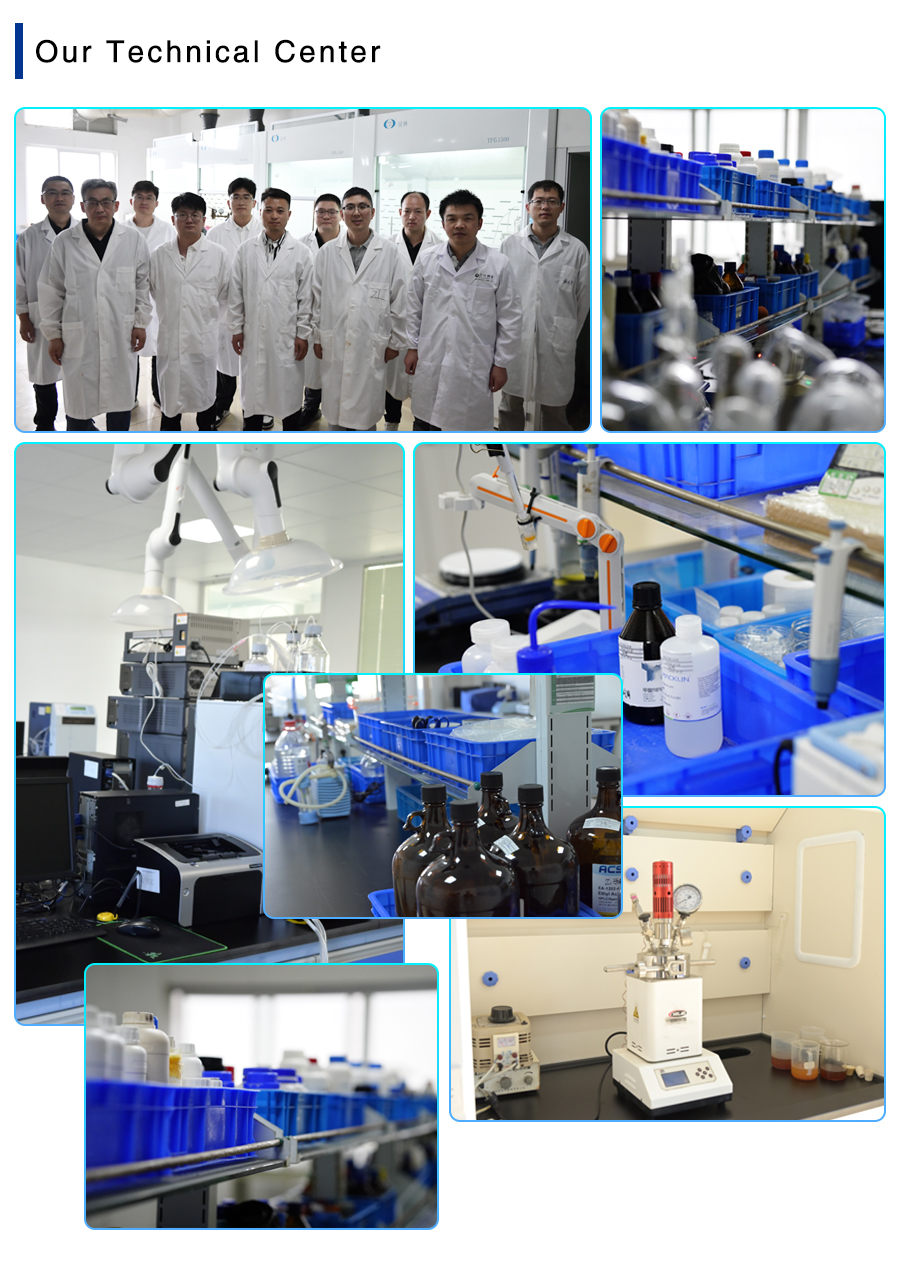
We provide actual physical data (Density: 0.918 g/mL, Refractive Index: 1.442-1.445). Our material acts as a "Standard Reference," allowing the robot to run at maximum velocity without risk of cavitation or pressure spikes.
Aldehyde Purity and Sensor Calibration
Modern reactors use in-line IR and UV-Vis spectroscopy to monitor reaction progress.
Spectral Baseline Integrity:
If the starting CAS 872-53-7 contains trace cyclopentanecarboxylic acids, it shifts the spectral baseline in the 1700-1750 cm^-1 range.
The Solution:
EASTFINE’s ultra-pure grade (≥ 99.5%) provides a clean, predictable spectral fingerprint, ensuring the autonomous system’s sensors are always calibrated to the true reaction state, preventing "false termination" signals.
Quantum Mechanical Modeling and Transition State Optimization
In 2026, the competitive edge is found in Quantum Chemistry. This section details how EASTFINE helps partners model reactions at the atomic level.
Modeling the Nucleophilic Attack
The reactivity of the aldehyde group in CAS 872-53-7 is governed by the electronic environment of the cyclopentyl ring.
Transition State Prediction:
AI models in 2026 calculate the "Activation Energy" (Ea) of the reductive amination step using Density Functional Theory (DFT).
The EASTFINE Advantage:
Because our intermediate is free of trace metal contaminants, the physical reaction follows the "Idealized Quantum Model." Partners using EASTFINE material report a 98% correlation between their DFT predictions and their actual reactor yields.
Steric Bulk and "Shape-Fitting"
The cyclopentyl group provides a "Conformational Envelope." Unlike flat phenyl rings, the cyclopentyl ring can adopt "envelope" or "half-chair" states.
Predictive Docking:
EASTFINE provides high-resolution structural data that allows medicinal chemists to model how the 3D-shape of CAS 872-53-7 fits into narrow protein grooves. This prevents the "Steric Clash" that often causes late-stage lead abandonment.
Key Supplier Selection Criteria—The 2026 "Digital Audit"
Procurement teams must now vet suppliers through a Digital and Environmental (D&E) Matrix.
Verifiable Physical Constants (No "Three Dots")
In 2026, stop accepting "Typical Values." An autonomous reactor needs the Actual Batch Value.
Data Transparency:
EASTFINE provides the specific Boiling Point (142-145°C) and Refractive Index for every lot. These are critical for the AI’s thermal management algorithms and refractive index-based purity sensors.
ESG and Traceability Sovereignty
Automation shouldn't mean a lack of oversight. EASTFINE provides immutable, blockchain-based traceability for our CAS 872-53-7.
Scope 3 Compliance:
We track the carbon footprint of our catalytic dehydrogenation process, providing the data needed for your 2026 Global Sustainable Chemistry audits. Our process is verified to be 25% more carbon-efficient than traditional stoichiometric oxidation routes.
Process Mass Intensity (PMI) and Circular Economy Integration
In the 2026 B2B landscape, Efficiency is a Financial Metric.
Minimizing the "E-Factor"
Using ultra-pure CAS 872-53-7 reduces the volume of solvent required for downstream purification.
Solvent Recycling:
Because EASTFINE material produces fewer side-reactions (like the Tishchenko reaction), the mother liquors are cleaner. This allows for a 40% higher solvent recovery rate, directly lowering the cost of goods sold (COGS).
Catalytic Longevity
Many 2026 syntheses involve expensive catalysts (Palladium, Ruthenium). Trace impurities in low-grade CAS 872-53-7 "poison" these catalysts.
The ROI:
By using EASTFINE’s high-purity aldehyde, firms extend their catalyst life by 2.5x, saving hundreds of thousands of dollars per commercial campaign.
Why Choose EASTFINE? The 2026 Industry Benchmark
As a pharmaceutical and agrochem intermediate specialist, EASTFINE is the bridge between the digital future and physical reality.
Manufacturing Authority:
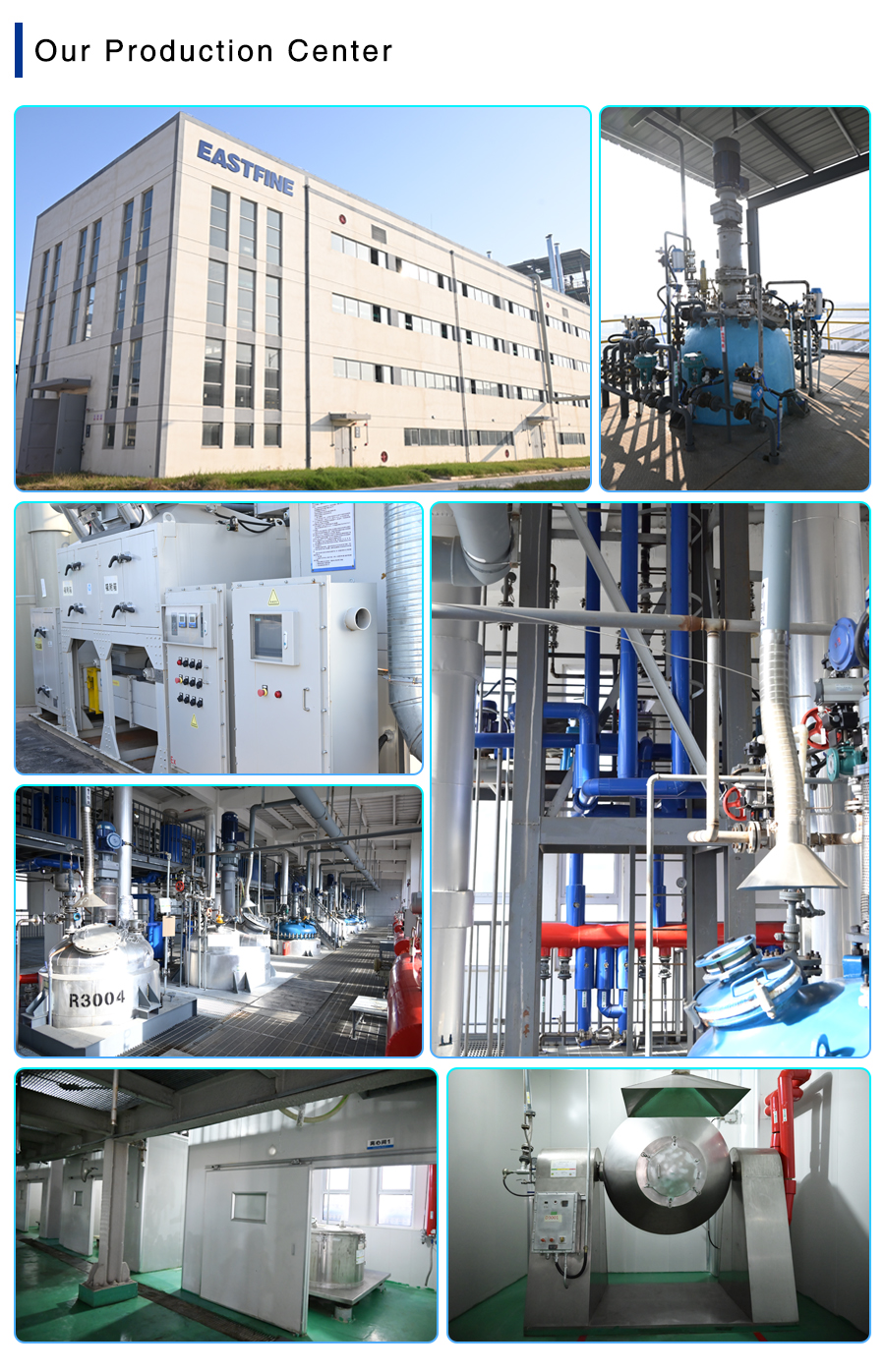
We are the direct manufacturer. Our catalytic dehydrogenation process is optimized for the high-purity, low-impurity profiles required by sensitive autonomous sensors.
Digital Twin Characterization:
We provide an API-accessible data package for every batch, allowing your AI to "know" the material before it arrives at the dock.
Global Support:
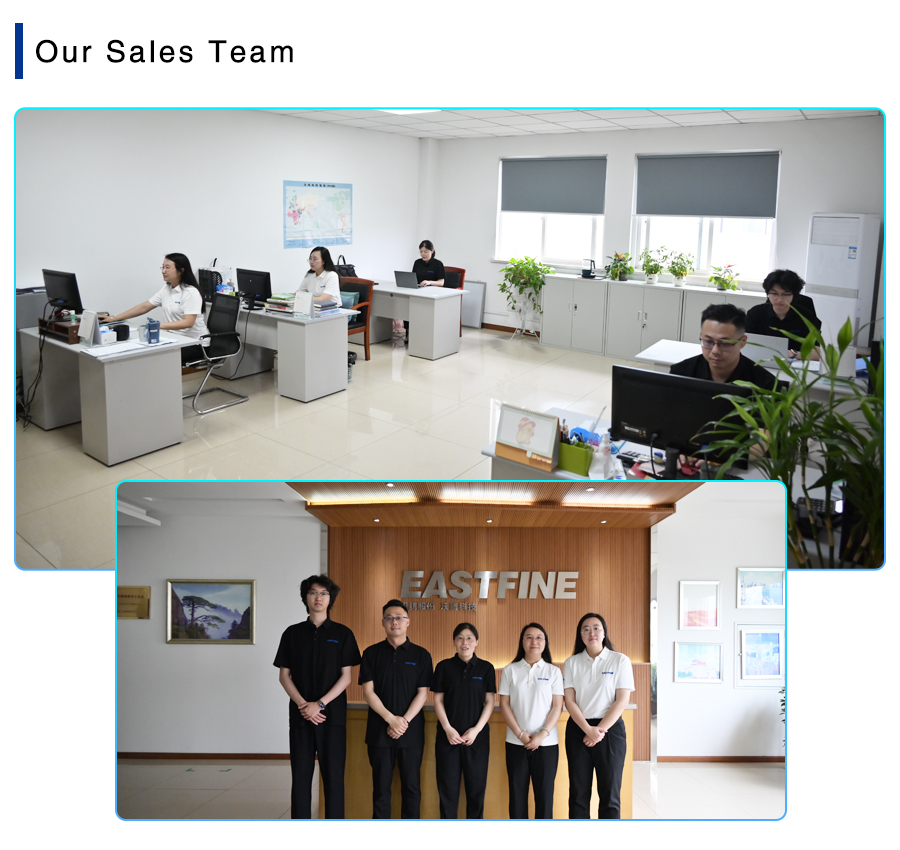
Our PhD-led technical teams can assist in integrating our "Digital Twin" data into your specific AI synthesis platform (e.g., ChemOS or SynFini).
The 2026 Economic Outlook—De-Risking the Supply Chain
The financial logic is clear: Quality is the only way to scale the pharmaceutical industry in 2026.
Reducing "Failed Run" Costs
A single failed autonomous run in a "Lights-Out" factory can cost over $250,000 in lost time and specialized reagents.
The Insurance:
Using EASTFINE’s verified-purity CAS 872-53-7 reduces the "Deviation Rate" by 40%, paying for itself within the first three months of production.
Geopolitical Resilience
With the logistics volatility of 2026, relying on a single "black box" supplier is a risk. EASTFINE’s transparency and multi-hub distribution (Singapore, Rotterdam, Binzhou) provide the Supply Chain Sovereignty required for multi-year clinical programs.
Conclusion: The Future is Pure
In the autonomous world of 2026, the chemical intermediate is no longer a commodity—it is a data-rich structural component. Cyclopentanecarbaldehyde (CAS 872-53-7) is the structural core of the 3D-scaffold movement, and EASTFINE is the partner providing the physical and digital integrity to make it work.
By providing the actual physical data and the lowest impurity profiles in the industry, we ensure that your AI models, your robots, and your final APIs perform exactly as predicted.


 English
 العربية
 Français
 Русский
 Español
 Português
 Deutsch
 italiano
 日本語
日本語 한국어
한국어 Nederlands
 Tiếng Việt
 ไทย
ไทย Polski
 Türkçe
 አማርኛ
አማርኛ ພາສາລາວ
 Bahasa Melayu
 ဗမာစာ
ဗမာစာ Filipino
 Bahasa Indonesia
 magyar
 Română
 Čeština
 қазақ
қазақ Српски
 हिन्दी
 فارسی
فارسی Kiswahili
 Slovenčina
 Slovenščina
 Norsk
Norsk Svenska
 українська
 Ελληνικά
 Suomi
Suomi עברית
עברית Dansk
Dansk اردو
اردو Shqip
Shqip বাংলা
বাংলা Hrvatski
 Gaeilge
 Eesti keel
 Oʻzbekcha
 latviešu
 Azərbaycan dili
 Български
 ქართული
 íslenska
 Lietuvių


 简体中文
简体中文


