Executive Summary: The Hidden Cost of "Slow" Chemistry
In the intense surge of the 2026 generic drug market, the primary bottleneck for pharmaceutical companies is no longer intellectual property or clinical data—it is Reactor Throughput. When a multi-ton campaign for an antiviral or cardiovascular API is underway, every hour of occupancy in a glass-lined or stainless-steel reactor carries a massive overhead cost, encompassing labor, utility consumption, and the "opportunity cost" of delayed market entry.
Many procurement teams mistakenly view Cyclopentanecarbaldehyde (CAS 872-53-7) as a simple commodity, sourcing based primarily on the lowest price per kilogram. However, lower-tier material—often characterized by "99% purity" but hiding high latent acidity and moisture—acts as a massive kinetic drag on the entire synthesis. This technical briefing details how EASTFINE’s April Star Product is engineered for high reactivity and chemical "cleanliness," allowing process engineers to slash batch cycle times, reduce reagent waste, and significantly maximize the annual tonnage of their manufacturing facility.
The Kinetics of Reductive Amination—A B2B Deep-Dive
Reductive Amination is the foundational reaction for incorporating the cyclopentyl moiety into next-generation APIs. For the industrial chemist, this process typically occurs in two distinct, sequential stages within a single-pot or multi-vessel setup:
Imine Formation:
The condensation of Cyclopentanecarbaldehyde with a primary or secondary amine.
Reduction:
The conversion of that unstable imine into a stable secondary or tertiary amine using reducing agents like Sodium Triacetoxyborohydride (NaBH(OAc)3) or through catalytic hydrogenation (H2 over Pd/C).
The Equilibrium Challenge and Moisture Interference
Imine formation is a reversible equilibrium reaction. It generates one molecule of water for every molecule of imine produced. In an industrial setting, managing this water is the key to speed.
The Impact of Moisture:
If your starting CAS 872-53-7 contains even 0.5% residual water (a common occurrence in trader-sourced material that hasn't been properly distilled or stored), the equilibrium is pushed backward according to Le Chatelier's Principle. This results in "Incomplete Conversion," leaving a persistent "tail" of unreacted aldehyde in the reaction mass.
The EASTFINE Advantage:
By providing an aldehyde with Moisture ≤ 0.05% (validated by Karl Fischer titration), EASTFINE helps drive the equilibrium toward the imine significantly faster. In our internal benchmarking, this reduces the "Stirring Time" required for Stage 1 by up to 25%, allowing the plant operator to move to the reduction phase hours ahead of schedule.
Acidity as a Kinetic Poison in Large-Scale Synthesis
One of the most overlooked "silent killers" of batch efficiency in 2026 is the Acid Value of the starting intermediate. As an aliphatic aldehyde, CAS 872-53-7 is prone to auto-oxidation into Cyclopentanecarboxylic acid if it is not protected by professional-grade inhibitors.
Protonation and Sequestration of the Amine Substrate
In B2B pharmaceutical synthesis, the amine substrates are often complex, multi-step heterocyclic molecules that represent the most expensive part of the bill of materials.
The Reaction Interference:
High acid content in the aldehyde leads to an immediate acid-base reaction with the amine substrate, forming an ammonium salt. This "sequesters" the amine, effectively locking it away so it cannot participate in the imine formation.
The Resulting "Lag Phase":
Process engineers often observe a frustrating "lag phase" where the reaction appears dormant for the first 2–3 hours. To overcome this, plants are forced to add excess amine (expensive) or external bases (creating more salt waste), which complicates the final work-up.
The EASTFINE Solution:
Our April Star Product is stabilized with proprietary inhibitors to maintain an Acid Value <0.1%. This ensures that 100% of your amine substrate is "available for work" the moment it is charged into the vessel. By eliminating the lag phase, we ensure that your reaction kinetics are predictable, linear, and fast.
Catalytic Efficiency and Reagent Loadings
Throughput is not just about time; it is about the "Atom Economy" of the process. High-purity intermediates allow for lower "equivalents" of expensive reagents.
Reducing Hydride Reagent Waste
When a starting intermediate is impure or contains trace water, the resulting "dirty" imine is harder to reduce. In many generic plants, operators are forced to use 1.5 to 2.0 equivalents of Sodium Triacetoxyborohydride to "force" a sluggish reaction to completion.
The ROI of Purity:
By using EASTFINE’s high-reactivity CAS 872-53-7, the reduction step proceeds with exceptional efficiency. Our B2B clients consistently report a 10-15% reduction in reagent consumption. When scaled across a year of production, this represents a massive saving in procurement costs and a significant reduction in the volume of the aqueous waste stream.
Catalyst Longevity and Poisoning Mitigation
For facilities utilizing catalytic hydrogenation (H2 gas with Pd/C or Pt/C catalysts), the purity of the intermediate is the single most important factor for catalyst life. Trace sulfur compounds or residual heavy metals in low-grade intermediates will "poison" the noble metal catalyst.
The Throughput Crisis:
A poisoned catalyst doesn't just work poorly; it slows the hydrogen uptake to a crawl. What should be a 6-hour hydrogenation can easily stretch into a 24-hour ordeal, effectively cutting your plant's weekly capacity in half.
The EASTFINE Guarantee:
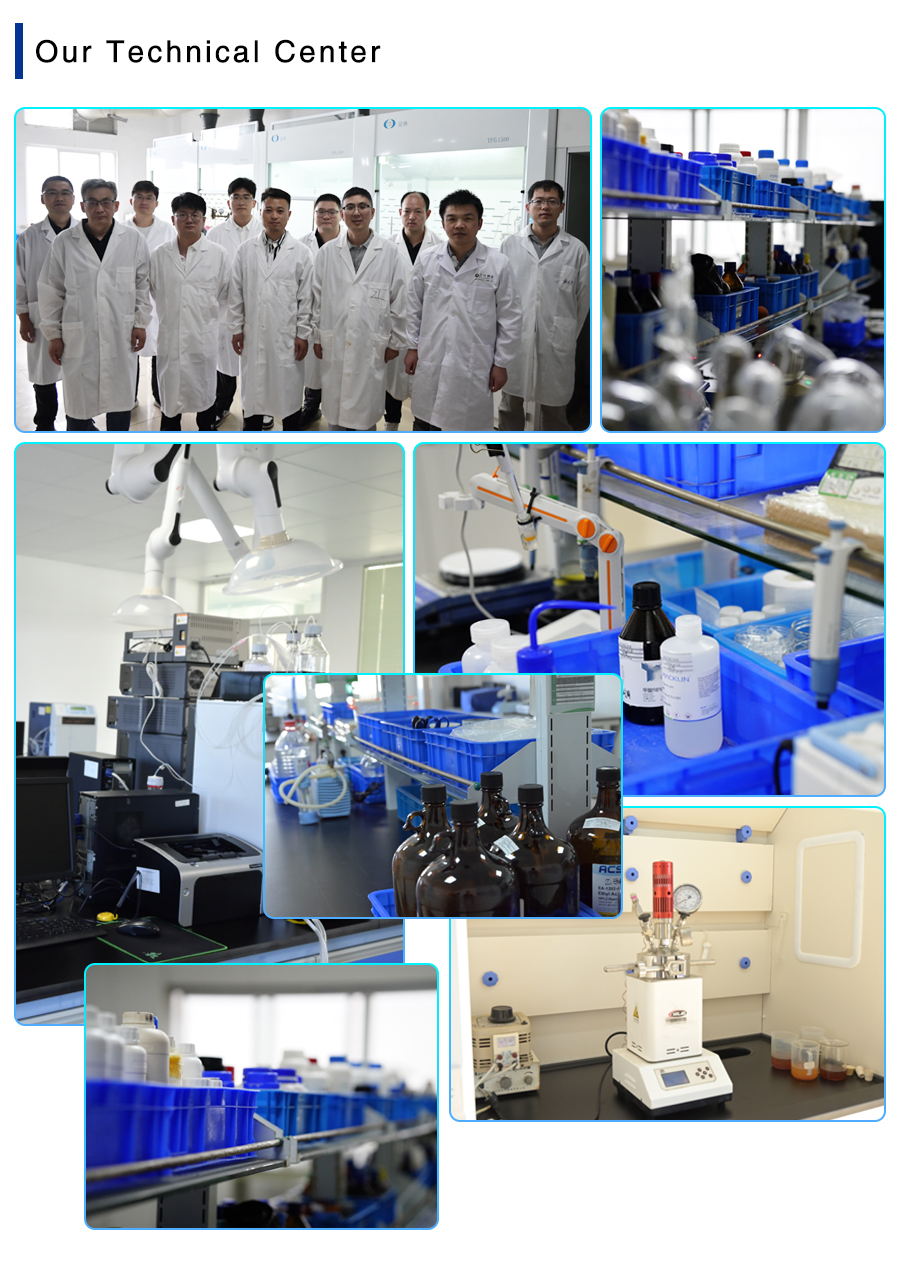
Our material is ICP-MS screened specifically for catalyst poisons. This ensures that your Palladium or Platinum catalyst remains active batch after batch, maximizing your "Catalyst Recycle" count and maintaining a high "Turnover Frequency" (TOF).
Technical Guide—5 Steps to Optimize Your Reductive Amination Cycle
For the process chemists at your facility, EASTFINE recommends the following protocol to fully capture the yield advantages of our April Star Product:
Anhydrous Charging:
Always charge the CAS 872-53-7 under a nitrogen blanket. Even though our material is ultra-dry (≤ 0.05% moisture), exposing it to humid plant air during charging can re-introduce moisture that slows the imine equilibrium.
Stoichiometric Precision:
Because EASTFINE material is consistently ≥ 99.0% pure, you can reduce your aldehyde excess. Instead of the standard 1.2 equivalents used for trader material, try 1.05 equivalents. This reduces the amount of unreacted aldehyde you have to "wash out" later.
Temperature Control:
Our high-reactivity aldehyde allows for imine formation at lower temperatures (10-15°C lower than standard). This prevents the formation of "aldol condensation" byproducts, keeping the reaction mass "cleaner" for the filtration stage.
In-Process Control (IPC) Monitoring:
Use HPLC or GC to monitor the disappearance of the aldehyde. With EASTFINE material, you will find the "Plateau Phase" is reached much sooner.
Solvent Recovery Integration:
Because our reaction profiles are cleaner (fewer byproducts), the spent solvents from the work-up are easier to distill and recycle. This improves the overall Green ROI of your production line.
Case Study—Throughput Optimization in a Tier-1 Facility
The Client:
A leading B2B generic manufacturer specializing in antiviral nucleoside analogs.
The Challenge:
The client’s 3000L glass-lined reactor was the primary bottleneck. They were achieving 2.5 batches of a critical antiviral per week. To meet a high-volume April 2026 export contract for the European market, they needed to increase this to 4 batches per week without capital expenditure for new reactors.
The Intervention:
The client replaced their 3rd-party sourced CAS 872-53-7 with EASTFINE’s High-Reactivity Grade.
The Results:
Imine Stage:
Reaction time dropped from 5 hours to 3 hours.
Reduction Phase:
Catalyst activity remained high; hydrogen uptake time dropped from 10 hours to 7 hours.
Work-up and Filtration:
Because fewer "impurity analogs" were produced, the crude API was easier to crystallize. The number of required "solvent washes" was reduced from 4 to 2.
The Total Gain:
Total batch cycle time was reduced from 38 hours to 26 hours.
The Financial Impact:
By shaving 12 hours off every batch, the client successfully moved to a 4-batch-per-week schedule. This represented a 60% increase in weekly output from the same equipment. The higher initial cost of EASTFINE’s material was recovered within the first two batches through saved labor and utility overheads.
Scaling from Pilot to Ton-Scale—The Reliability Factor
In B2B chemical manufacturing, the most dangerous phase is "The Scale-Up." A reaction that works perfectly in a 10L glass flask often behaves differently in a 5000L industrial reactor due to heat transfer and mixing limitations.
Consistency is the Enemy of Risk
The primary reason scale-up fails is Batch-to-Batch Variation in the starting intermediate. If Batch A has 0.1% water and Batch B has 0.8%, your heating/cooling profile will shift, and your yields will fluctuate.
The EASTFINE Assurance:
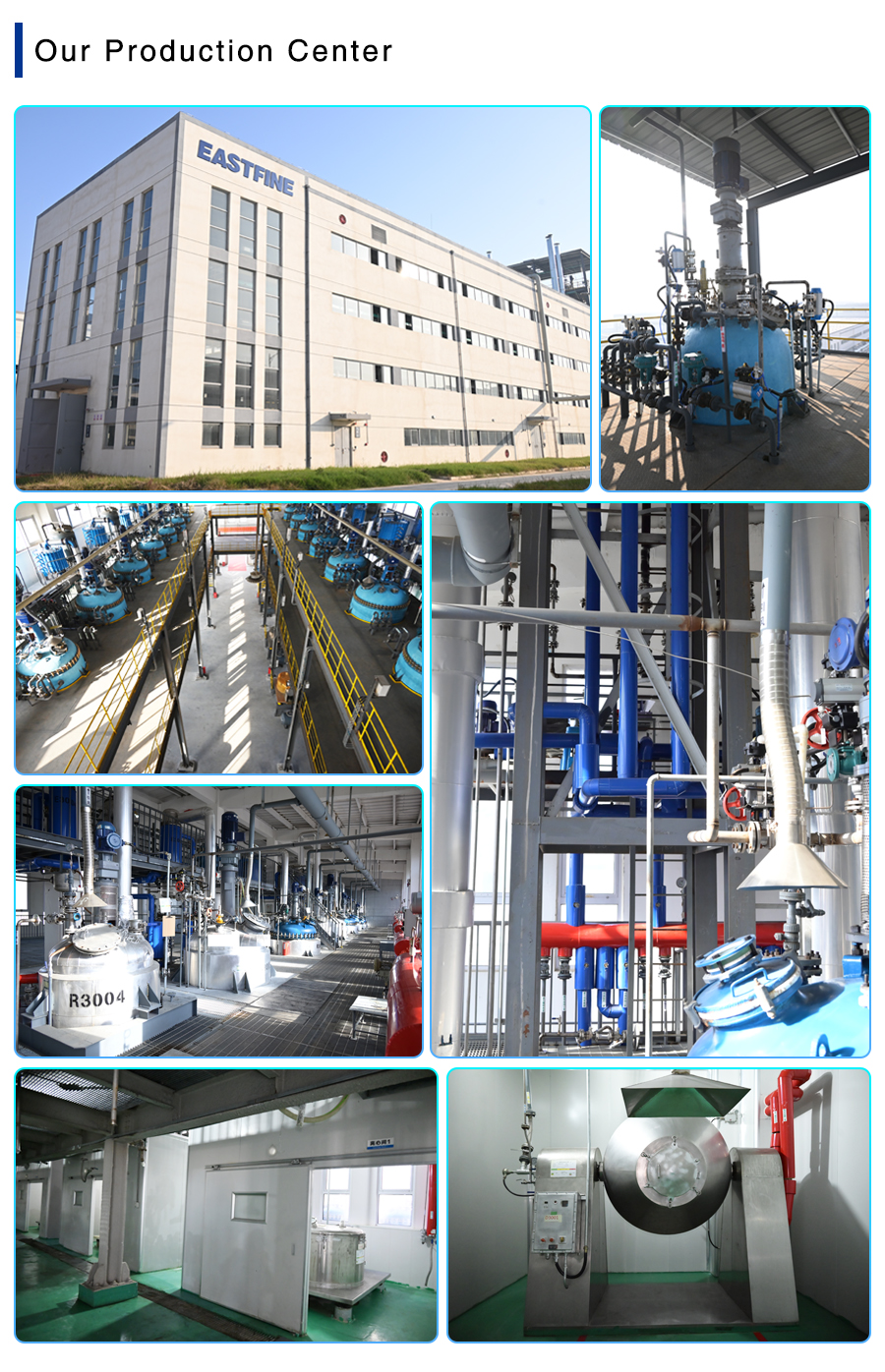
We manufacture CAS 872-53-7 in massive, homogenized lots. When you order 5 tons for an April campaign, you are receiving material that is chemically identical from the first drum to the last. This "Lot Homogeneity" is the secret weapon for process engineers looking to maintain steady-state production without constant "recipe adjustments."
Industrial Stability for Long-Distance Sourcing
Many B2B buyers worry about the degradation of aldehydes during international shipping.
The Solution:
EASTFINE uses UN-rated, fluorinated drums with a double-seal system. Even after 30 days at sea, our CAS 872-53-7 arrives with its Kinetic Integrity intact. We don't just ship a chemical; we ship a "Performance Guarantee."
The Economics of Solvent and Reagent Recovery
In 2026, the profitability of a B2B chemical plant is often found in the "Waste Stream."
The "Dirty" Solvent Problem:
When you use a low-grade intermediate, the reaction generates more "tars" and high-boiling byproducts. These impurities carry over into your spent solvents (like Methanol or THF), making them much harder to recover via distillation.
The "Clean" ROI:
Because EASTFINE’s CAS 872-53-7 produces a significantly cleaner reaction profile, your spent solvents are "High-Quality Waste." This allows your solvent recovery unit to operate at 90% efficiency instead of 70%, directly lowering your "Cost per KG" of the final API through circular economics.
Why Choose EASTFINE for Operational Excellence?
At EASTFINE Precision Chemistry, we view ourselves as a "Process Partner" rather than a mere vendor.
Direct Manufacturer Pricing:
We eliminate the trader's markup, allowing you to invest those savings back into your plant's R&D.
Technical Consultation:
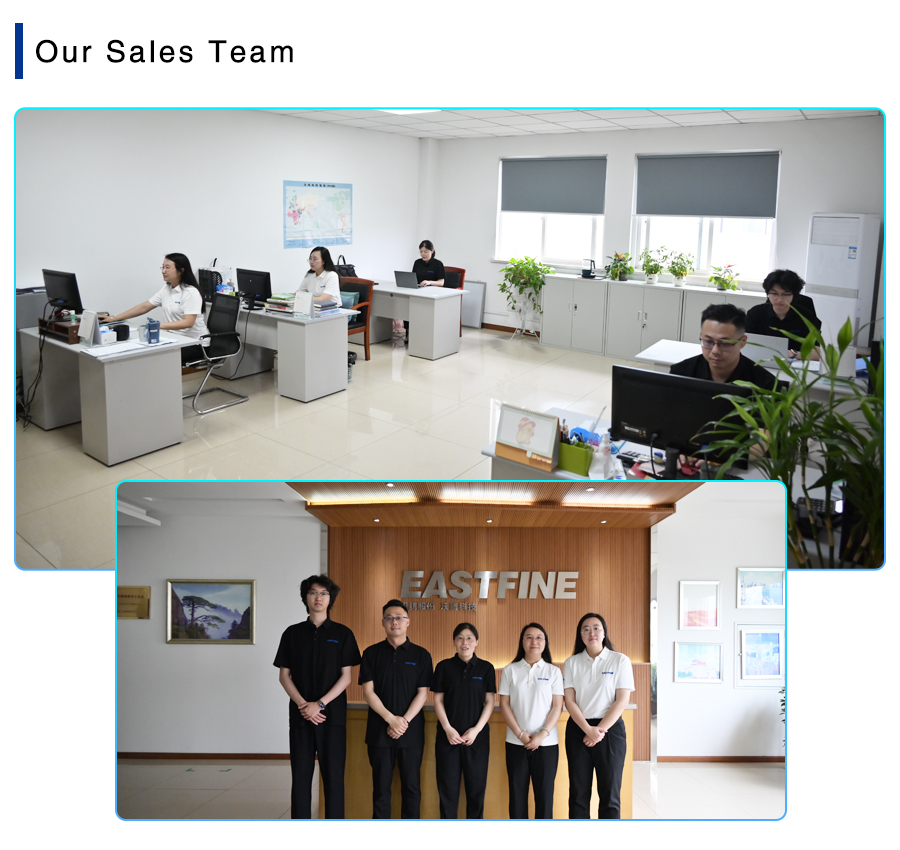
Our PhD-led chemistry team is available to join your Scale-Up Meetings via video conference, providing specific data on how our CAS 872-53-7 interacts with your chosen catalysts.
The April Star Commitment:
We have reserved 20 tons of monthly capacity specifically for high-throughput generic antiviral manufacturers. We guarantee that your line will never stop due to intermediate shortages.
Conclusion: Turn Your Supply Chain into a Capacity Multiplier
In the modern pharmaceutical industry, efficiency is the only sustainable competitive advantage. By sourcing Cyclopentanecarbaldehyde (CAS 872-53-7) from a partner who understands the industrial kinetics of your reactor, you are doing more than buying a high-purity chemical—you are buying Time.
Don't let your 2026 production schedule be dictated by poor-quality, sluggish intermediates. Choose the "April Star" from EASTFINE and unlock the true potential and capacity of your manufacturing facility.
Maximize your throughput. Secure your April allocation.
Contact the EASTFINE Operational Excellence Team today to request a Trial Batch Allocation and see the difference in your batch cycle times.


 English
 العربية
 Français
 Русский
 Español
 Português
 Deutsch
 italiano
 日本語
日本語 한국어
한국어 Nederlands
 Tiếng Việt
 ไทย
ไทย Polski
 Türkçe
 አማርኛ
አማርኛ ພາສາລາວ
 Bahasa Melayu
 ဗမာစာ
ဗမာစာ Filipino
 Bahasa Indonesia
 magyar
 Română
 Čeština
 қазақ
қазақ Српски
 हिन्दी
 فارسی
فارسی Kiswahili
 Slovenčina
 Slovenščina
 Norsk
Norsk Svenska
 українська
 Ελληνικά
 Suomi
Suomi עברית
עברית Dansk
Dansk اردو
اردو Shqip
Shqip বাংলা
বাংলা Hrvatski
 Gaeilge
 Eesti keel
 Oʻzbekcha
 latviešu
 Azərbaycan dili
 Български
 ქართული
 íslenska
 Lietuvių


 简体中文
简体中文


