The Strategic Importance of Intermediate Procurement in Enterprise Scaling
Moving Beyond Transactional Sourcing
In the global life science, crop protection, and specialty fine chemical sectors, corporate chemical procurement has shifted from simple transactional buying to strategic supply chain risk management. Commercial sourcing teams, procurement directors, and supply chain managers operate under intense operational pressure. Sudden raw material price spikes, unexpected regulatory suspensions at sub-tier supplier facilities, extended international shipping timelines, and margin compression have fundamentally transformed how enterprise buyers evaluate their vendor networks.
When a commercial active pharmaceutical ingredient (API), advanced agrochemical formulation, or proprietary performance molecule transitions from development into multi-ton commercial production, sourcing priorities undergo a major evolution. While unit price per kilogram remains an important financial metric, total cost of ownership (TCO), guaranteed lead times, environmental compliance, and long-term security of supply become the core parameters driving corporate procurement decisions.
Sourcing Challenges of Strained Small-Ring Intermediates
Among the specialized chemical building blocks required for modern drug design and crop protection chemistry, (Bromomethyl)cyclopropane (CAS No. 7051-34-5)—commonly referred to in commercial trade as BMCP—presents distinct sourcing considerations. Featuring a reactive primary alkyl halide attached directly to a highly strained three-membered cyclopropyl ring, this bifunctional molecule acts as an effective cyclopropylmethylating agent across diverse commercial syntheses.
However, the chemical reactivity that makes BMCP synthetically valuable also creates operational challenges during large-scale manufacturing, storage, and long-distance international transport. Achieving reliable product quality, controlling volatile isomer side-products, and maintaining factory-direct delivery schedules requires deep process engineering, asset-heavy primary manufacturing infrastructure, and proactive environmental compliance.
Market Dynamics & Key Application Drivers for CAS No. 7051-34-5
Understanding the underlying commercial demand drivers for (Bromomethyl)cyclopropane allows enterprise buyers to anticipate market movements, project raw material needs, and align with reliable manufacturing partners.
Pharmaceutical Manufacturing and CNS Therapeutics
The primary commercial driver for global BMCP demand is the active pharmaceutical ingredient sector, particularly within central nervous system (CNS) therapies and pain management portfolios. The cyclopropylmethyl moiety serves as a critical structural component in mixed agonist-antagonist opioid modulators, including Naltrexone, Nalbuphine, and Buprenorphine.
Introducing the N-cyclopropylmethyl substitution via BMCP imparts targeted receptor antagonist properties, giving drug candidates precise therapeutic profiles. Additionally, small-molecule oncology pipelines and antiviral platforms are increasingly incorporating cyclopropyl frames to restrict conformational flexibility, increase lipophilicity, and improve cellular membrane permeability in active drug substances.
Agrochemical Innovation and Low-Dosage Crop Protection
In modern agricultural chemistry, global regulatory standards favor targeted active ingredients with low environmental persistence and lower application rates per hectare. Incorporating the cyclopropyl structure into novel herbicides, systemic insecticides, and specialized fungicides enhances photolytic stability and metabolic resistance in active field formulations. This structural advantage enables agrochemical companies to achieve high target activity while complying with strict environmental regulations, driving steady multi-ton demand for high-purity BMCP.
Custom Fine Chemicals and Heterocyclic Synthesis
Beyond pharmaceuticals and agrochemicals, the dual functionality of the primary halide and the strained carbon ring makes BMCP a versatile building block for custom contract synthesis, organic electronic materials, and specialized performance chemicals required in advanced industrial research.
Evaluating Supply Chain Vulnerabilities: Middlemen vs. Primary Manufacturers
Procuring critical raw materials through fragmented trading houses, catalog distributors, or unverified spot-market brokers introduces operational vulnerabilities that can derail commercial production schedules:
Batch Blending and Quality Drift
Catalog distributors and trading brokers rarely own chemical manufacturing equipment. Instead, they often consolidate partial lots from multiple small-scale producers to fulfill large volume orders. This practice leads to inconsistent physical properties, unpredictable impurity spikes (such as 4-Bromo-1-butene), and batch-to-batch variations that disrupt validated downstream manufacturing campaigns.
Lack of Direct Quality Traceability and Audit Access
Virtual distributors cannot provide direct quality oversight or grant regulatory teams access to production sites for quality audits. When an out-of-specification (OOS) analytical result occurs, resolving the issue through a broker network creates communication delays, making root-cause analysis nearly impossible.
Vulnerability to Environmental Compliance Closures
Small-scale chemical producers operating without robust environmental management infrastructure are vulnerable to sudden regulatory audits and forced production halts. When an unverified sub-tier supplier is shut down by environmental regulators without warning, enterprise buyers are left without raw materials during critical production runs.
Why Global Enterprise Buyers Partner with EASTFINE
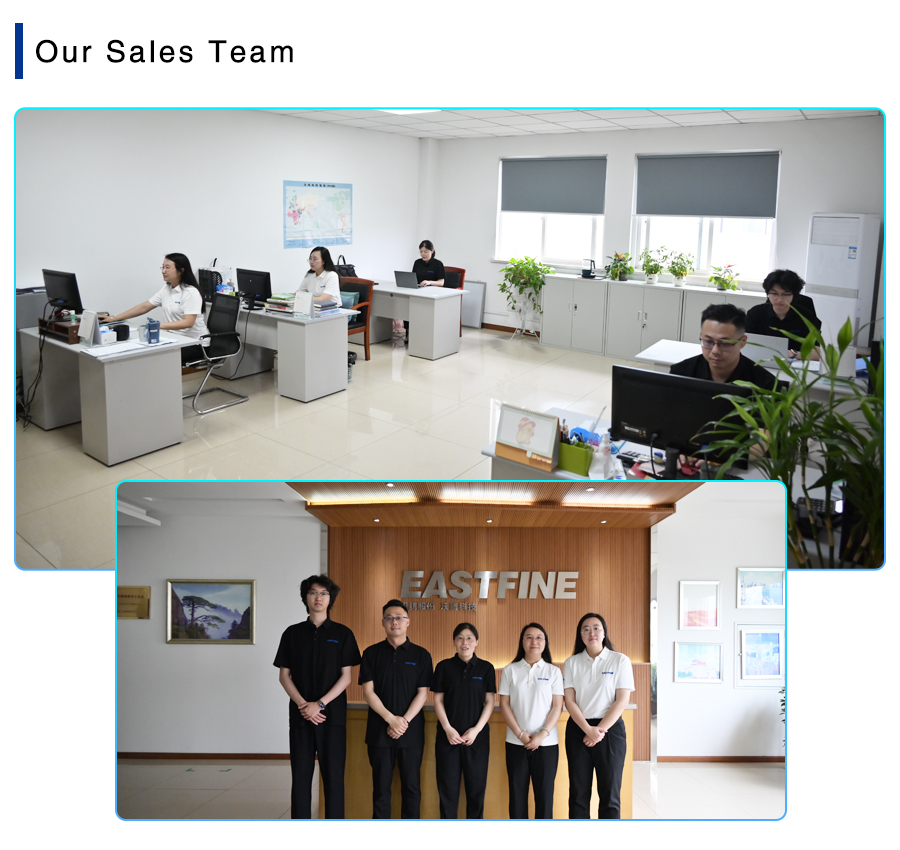
To insulate their operations from these vulnerabilities, enterprise procurement teams partner directly with established primary manufacturers capable of providing complete supply chain transparency, reliable capacity, strict quality frameworks, and direct factory pricing. As a direct primary manufacturer of pharmaceutical and agrochemical intermediates, EASTFINE is structured to eliminate supply chain friction and deliver consistent operational reliability.
Strategic Dual-Site Production Redundancy (Dalian & Heze)
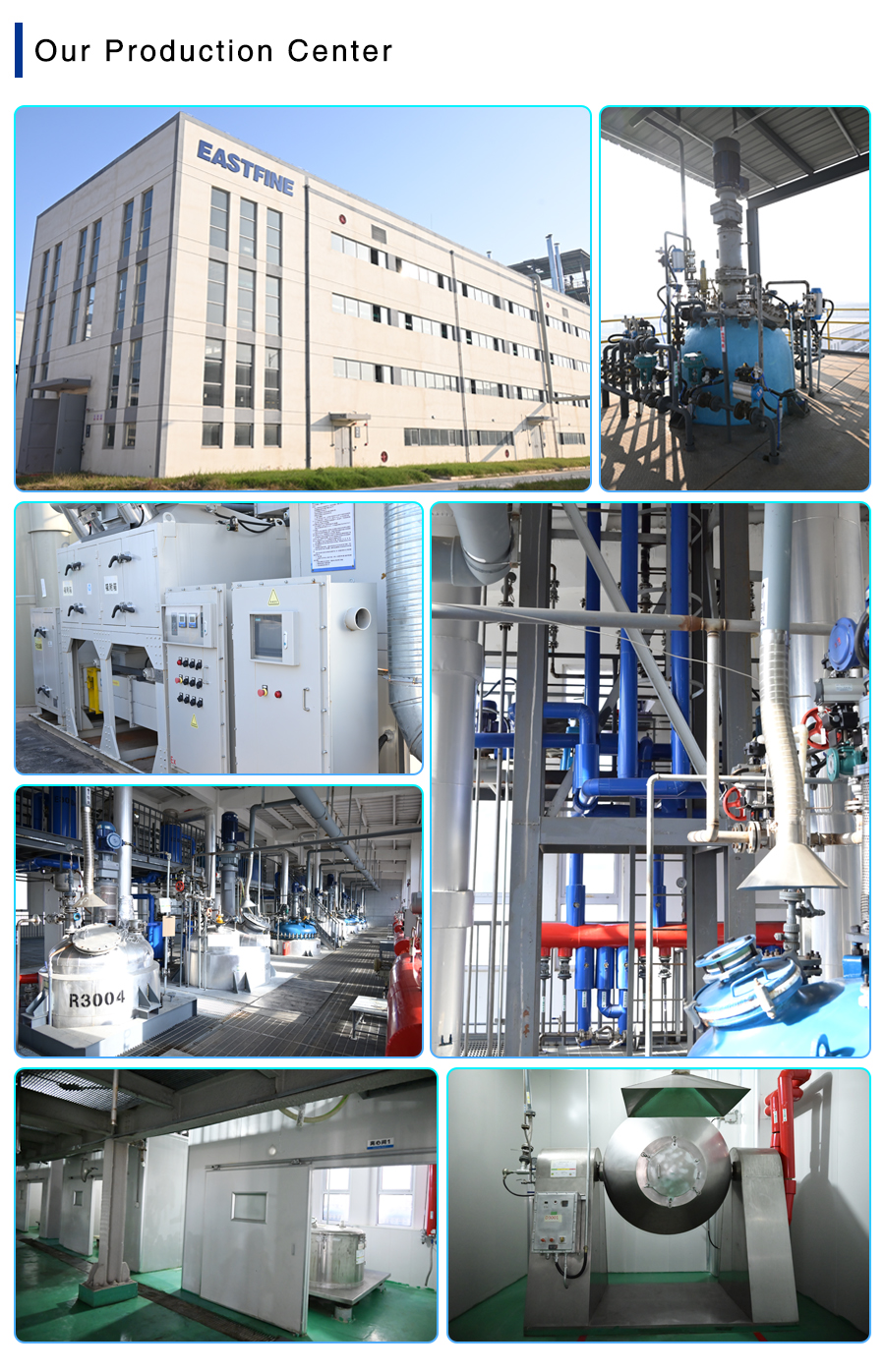
Single-site manufacturing represents a critical operational risk in chemical procurement. A localized power disruption, equipment maintenance, or environmental inspection at a single plant can halt commercial supply lines. To eliminate this single point of failure, EASTFINE operates two fully owned, asset-heavy production complexes strategically located in Dalian and Heze.
Both facilities feature continuous-flow reaction platforms and specialized fractional distillation units optimized for halogenation chemistry. This dual-site architecture provides built-in operational redundancy and dynamic capacity allocation. If one site undergoes scheduled maintenance, production allocations for CAS No. 7051-34-5 are balanced across to the secondary facility—guaranteeing uninterrupted multi-ton commercial deliveries and on-time fulfillment.
cGMP-Aligned Quality Management & Audit-Ready Compliance
EASTFINE enforces quality management systems operating under cGMP guidelines and dual ISO 9001 (Quality Management) and ISO 14001 (Environmental Management) certifications. Our proactive environmental management ensures compliant, eco-friendly waste treatment and solvent recovery, protecting your supply chain from sudden regulatory disruptions.
Every commercial shipment is accompanied by an audit-ready analytical package:
Batch-specific Certificates of Analysis (CoA)
Complete Gas Chromatography (GC-FID) assay charts (guaranteeing assay purity equal to or greater than 99.0%)
Controlled isomer thresholds (4-Bromo-1-butene equal to or less than 0.30%)
Moisture analysis via Karl Fischer titration (equal to or less than 0.10%)
Free acid content testing (HBr equal to or less than 0.05%)
Structural verification via Nuclear Magnetic Resonance (1H-NMR / 13C-NMR) spectroscopy
Fully compliant Safety Data Sheets (SDS) and Technical Data Sheets (TDS)
Patent-Backed R&D Innovation and Factory Economics
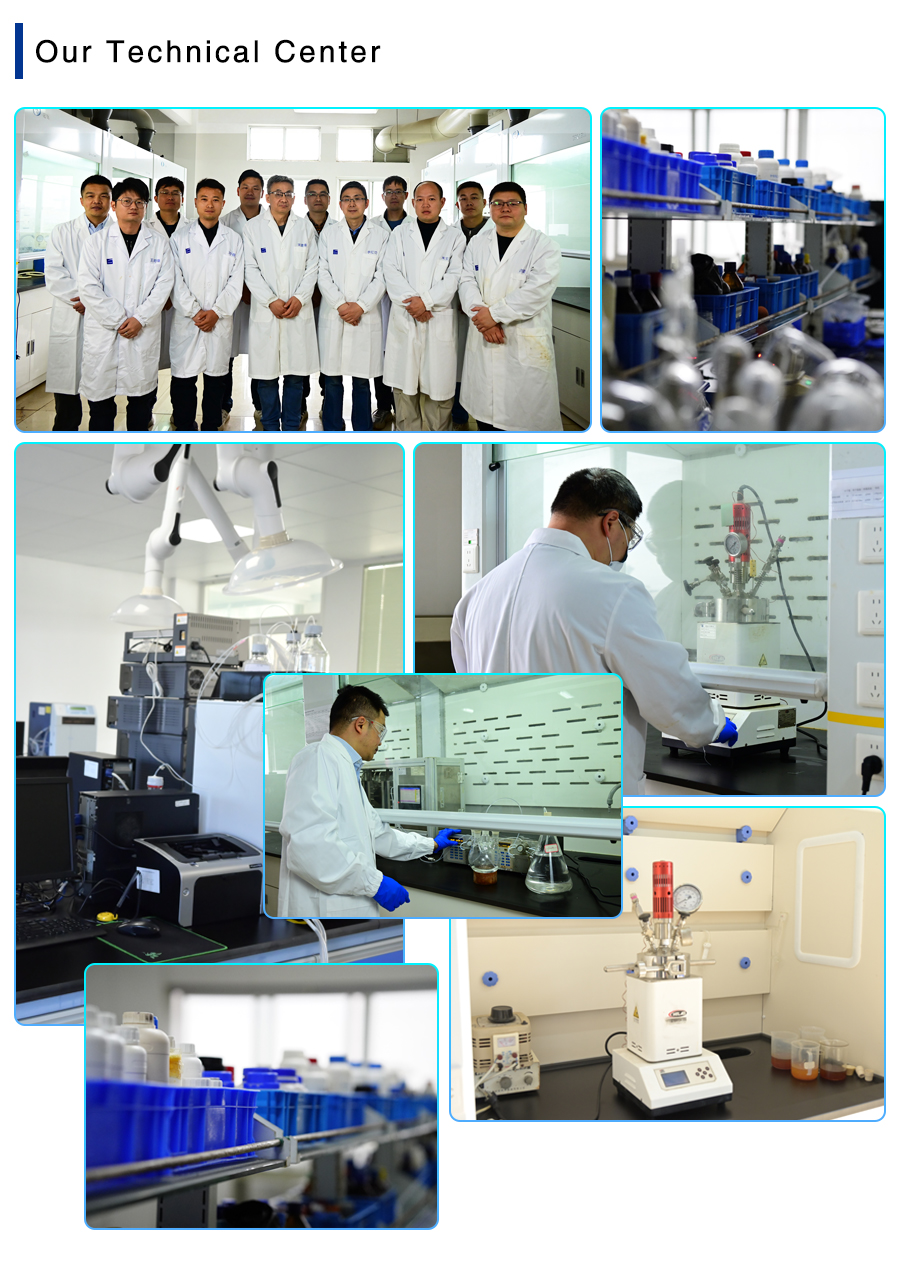
Direct alignment with EASTFINE grants your procurement team access to advanced chemical synthesis expertise. Led by senior chemical process engineers holding doctoral degrees, our centralized R&D team holds 19 invention patents and 8 utility model patents.
By utilizing optimized, continuous-flow synthetic pathways, EASTFINE maximizes atom economy, reduces waste generation, and improves overall yields. By cutting out third-party trading markups, we pass these process efficiencies directly to our partners through competitive, factory-direct pricing.
Advanced Protective Packaging & Turnkey Global Logistics
Because (Bromomethyl)cyclopropane is a volatile organic liquid sensitive to ambient moisture, heat, and light exposure, standard packaging is insufficient for international transport. To guarantee product integrity, EASTFINE packages BMCP under an inert nitrogen blanket inside UN-rated, light-shielded, corrosion-resistant drums fitted with moisture-barrier seals.
Additionally, EASTFINE’s internal export logistics team manages dangerous goods documentation, customs clearance, and global ocean or air freight dispatch, delivering turnkey, door-to-door reliability anywhere in the world.
Structuring Long-Term Commercial Partnerships
Securing a stable, high-purity supply of (Bromomethyl)cyclopropane (CAS No. 7051-34-5) does not need to be an ongoing source of supply chain risk for your manufacturing programs. By contracting directly with EASTFINE as your primary manufacturer, global procurement teams gain a clear strategic advantage:
Fail-safe supply security via dual-site manufacturing redundancy in Dalian and Heze.
cGMP-aligned quality assurance and ISO-certified environmental compliance.
Patent-backed continuous-flow process engineering delivering high product purity.
Factory-direct economics that eliminate middleman markups.
Turnkey international logistics with specialized protective packaging.
De-risk your fine chemical intermediate procurement strategy today. Contact the commercial sourcing team at EASTFINE to request detailed factory-direct quotations, review complete technical compliance dossiers, or reserve commercial campaign allocations for (Bromomethyl)cyclopropane (CAS No. 7051-34-5).


 English
 العربية
 Français
 Русский
 Español
 Português
 Deutsch
 italiano
 日本語
日本語 한국어
한국어 Nederlands
 Tiếng Việt
 ไทย
ไทย Polski
 Türkçe
 አማርኛ
አማርኛ ພາສາລາວ
 Bahasa Melayu
 ဗမာစာ
ဗမာစာ Filipino
 Bahasa Indonesia
 magyar
 Română
 Čeština
 қазақ
қазақ Српски
 हिन्दी
 فارسی
فارسی Kiswahili
 Slovenčina
 Slovenščina
 Norsk
Norsk Svenska
 українська
 Ελληνικά
 Suomi
Suomi עברית
עברית Dansk
Dansk اردو
اردو Shqip
Shqip বাংলা
বাংলা Hrvatski
 Gaeilge
 Eesti keel
 Oʻzbekcha
 latviešu
 Azərbaycan dili
 Български
 ქართული
 íslenska
 Lietuvių


 简体中文
简体中文


