


Views: 0 Author: Site Editor Publish Time: 2026-08-24 Origin: Site
In the rapidly evolving pharmaceutical and specialty fine chemical manufacturing sectors, securing a stable, high-purity supply of strained small-ring building blocks is a critical imperative for process chemistry teams and commercial procurement managers. Among these specialized intermediates, (Bromomethyl)cyclopropane (CAS No. 7051-34-5)—frequently abbreviated in technical literature as BMCP—occupies a central role in modern synthetic chemistry.
Featuring a reactive primary alkyl bromide attached directly to a highly strained cyclopropyl ring, this bifunctional molecule acts as a crucial cyclopropylmethylating agent across diverse therapeutic, agrochemical, and specialty chemical applications.
However, the chemical behavior that makes (Bromomethyl)cyclopropane so synthetically useful—namely its tendency toward ring-opening side reactions and thermal instability—also creates significant manufacturing and logistical challenges. Navigating these technical hurdles requires looking closely at global market dynamics and partnering with an asset-heavy primary manufacturer capable of ensuring long-term supply resilience.
The global market for (Bromomethyl)cyclopropane is experiencing sustained expansion, driven primarily by the rising consumption of organobromine building blocks across pharmaceutical and crop protection applications. As drug discovery platforms increasingly incorporate cyclopropyl structures to optimize pharmacological profiles, BMCP has shifted from a niche laboratory reagent to a high-volume commercial intermediate.
The largest demand driver for BMCP remains the active pharmaceutical ingredient (API) manufacturing sector. The cyclopropylmethyl group is an essential pharmacophore element in central nervous system (CNS) modulators and mixed agonist-antagonist opioid therapies, including Naltrexone, Nalbuphine, and Buprenorphine.
Introducing the N-cyclopropylmethyl substitution via BMCP imparts specific receptor antagonist properties, granting drug candidates precise therapeutic control. Furthermore, small-molecule oncology pipelines and antiviral platforms are heavily utilizing cyclopropyl frameworks to restrict conformational flexibility and enhance passive membrane permeability.
In modern agricultural chemistry, global regulatory pressure continues to favor targeted, low-dosage active ingredients with reduced environmental persistence. Incorporating the cyclopropyl frame into novel fungicides, selective herbicides, and insecticides boosts photolytic stability and metabolic resistance. This structural advantage allows agrochemical formulators to achieve superior field efficacy at lower application rates per hectare, driving consistent multi-ton demand for high-purity BMCP.
Despite strong demand, the market for CAS No. 7051-34-5 faces significant supply-side vulnerabilities. Global bromine raw material pricing fluctuates dynamically, directly impacting intermediate production costs.
Furthermore, many global distributors rely on fragmented, sub-scale producers that operate without long-term environmental clearances. Unexpected environmental suspensions at these unverified production sites frequently trigger spot-market shortages, sharp price spikes, and severe delivery delays for commercial API campaigns.
Manufacturing, purifying, and storing (Bromomethyl)cyclopropane present distinct chemical challenges that must be controlled under strict quality management frameworks:
The carbocation intermediate formed during synthesis or thermal stress can undergo rapid Homoallylic Rearrangement to form 4-Bromo-1-butene or cyclobutyl bromide derivatives. Left unmonitored, these isomeric impurities react along parallel synthetic pathways, generating difficult-to-isolate side products in downstream API batches. High-purity BMCP requires specialized reaction quenching and low-temperature distillation protocols to keep 4-Bromo-1-butene levels below strict quality thresholds.
With a boiling point of 105 - 107 °C and high volatility, BMCP requires gas-tight processing equipment and temperature-controlled storage environments to prevent product loss and ambient degradation. Exposure to light, elevated temperatures, or moisture can induce slow hydrobromic acid (HBr) elimination, accelerating degradation and corroding standard storage vessels.
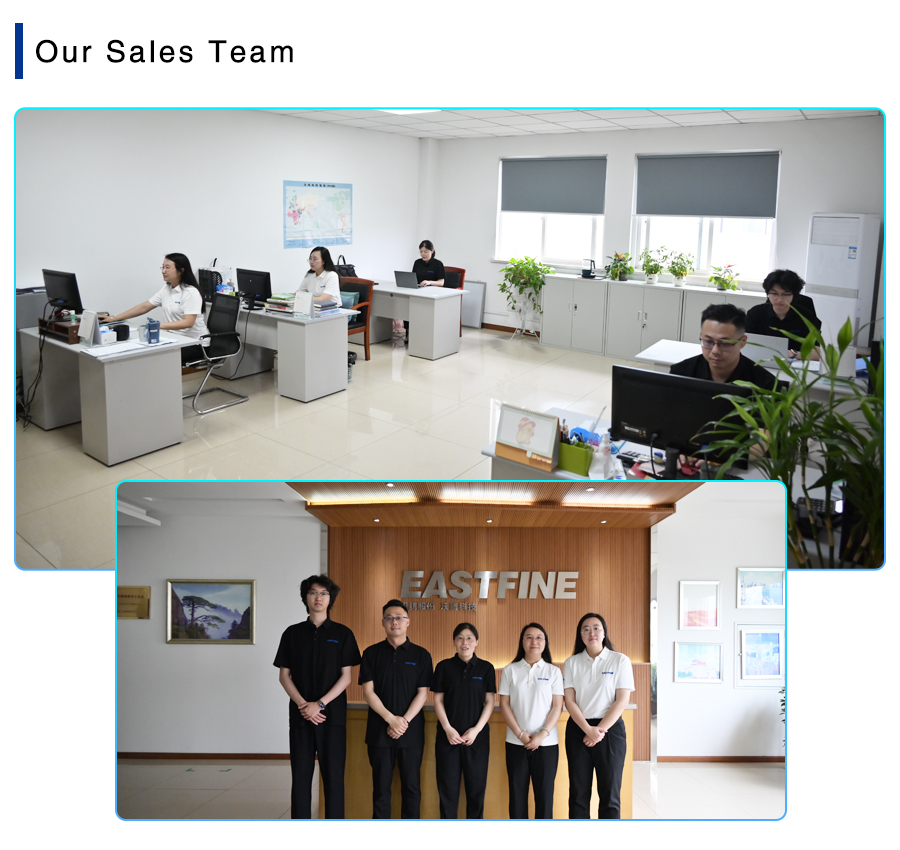
Procuring sensitive brominated intermediates through middleman distributors or virtual brokers introduces severe supply chain risks, including batch blending, unannounced quality shifts, and lack of direct audit visibility. EASTFINE operates as an established primary manufacturer of pharmaceutical and agrochemical intermediates, offering global enterprise clients total operational security, technical excellence, and direct factory economics.
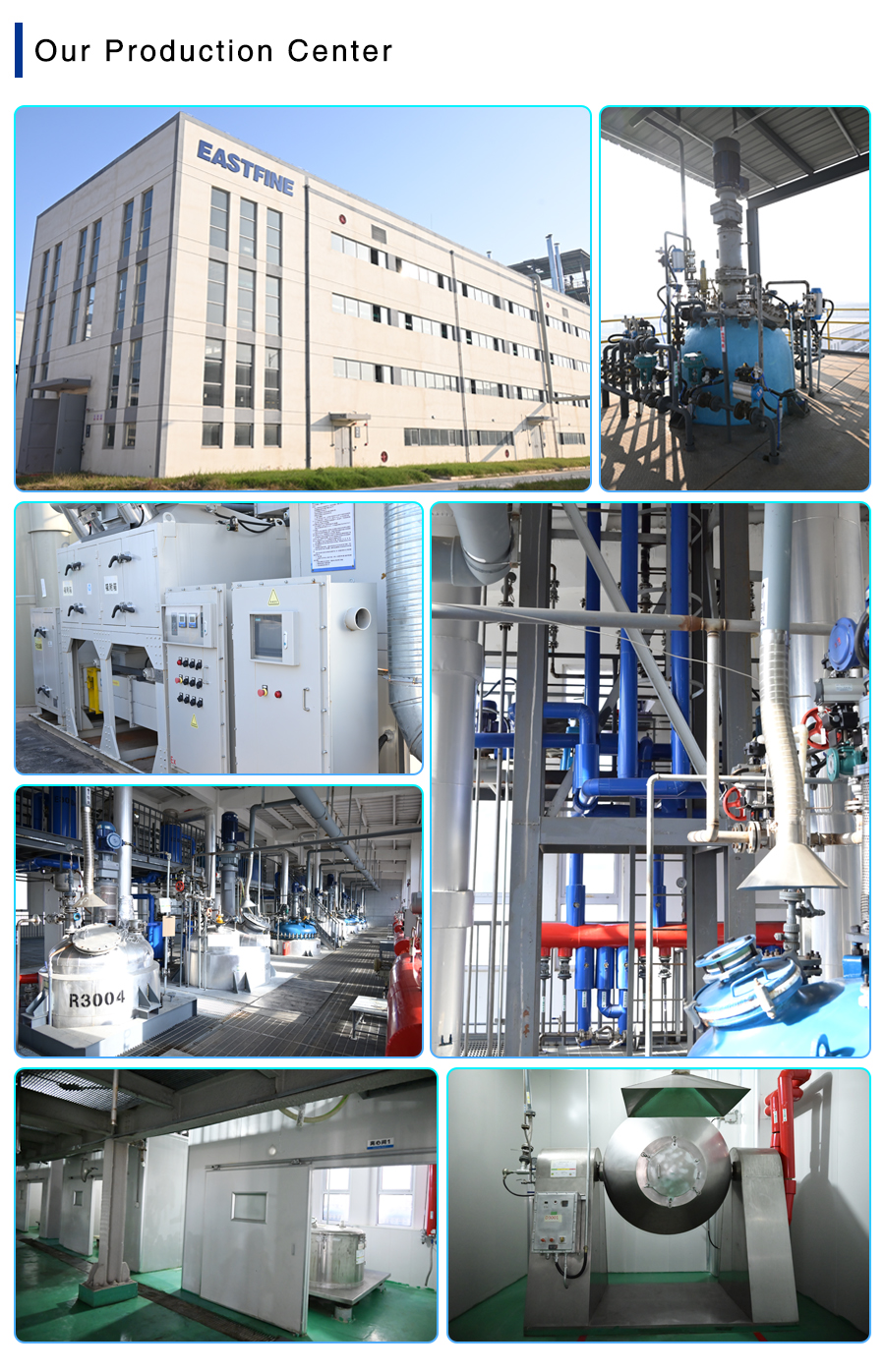
Single-site chemical manufacturing introduces a single point of failure that can jeopardize entire commercial drug manufacturing schedules. To eliminate this risk, EASTFINE operates two modern, fully owned production complexes in Dalian and Heze.
Equipped with continuous-flow halogenation platforms and specialized fractional distillation units, our dual-site infrastructure provides built-in operational backup. If one facility undergoes scheduled preventative maintenance, production allocations for CAS No. 7051-34-5 can be seamlessly balanced across sites, guaranteeing uninterrupted multi-ton commercial deliveries.
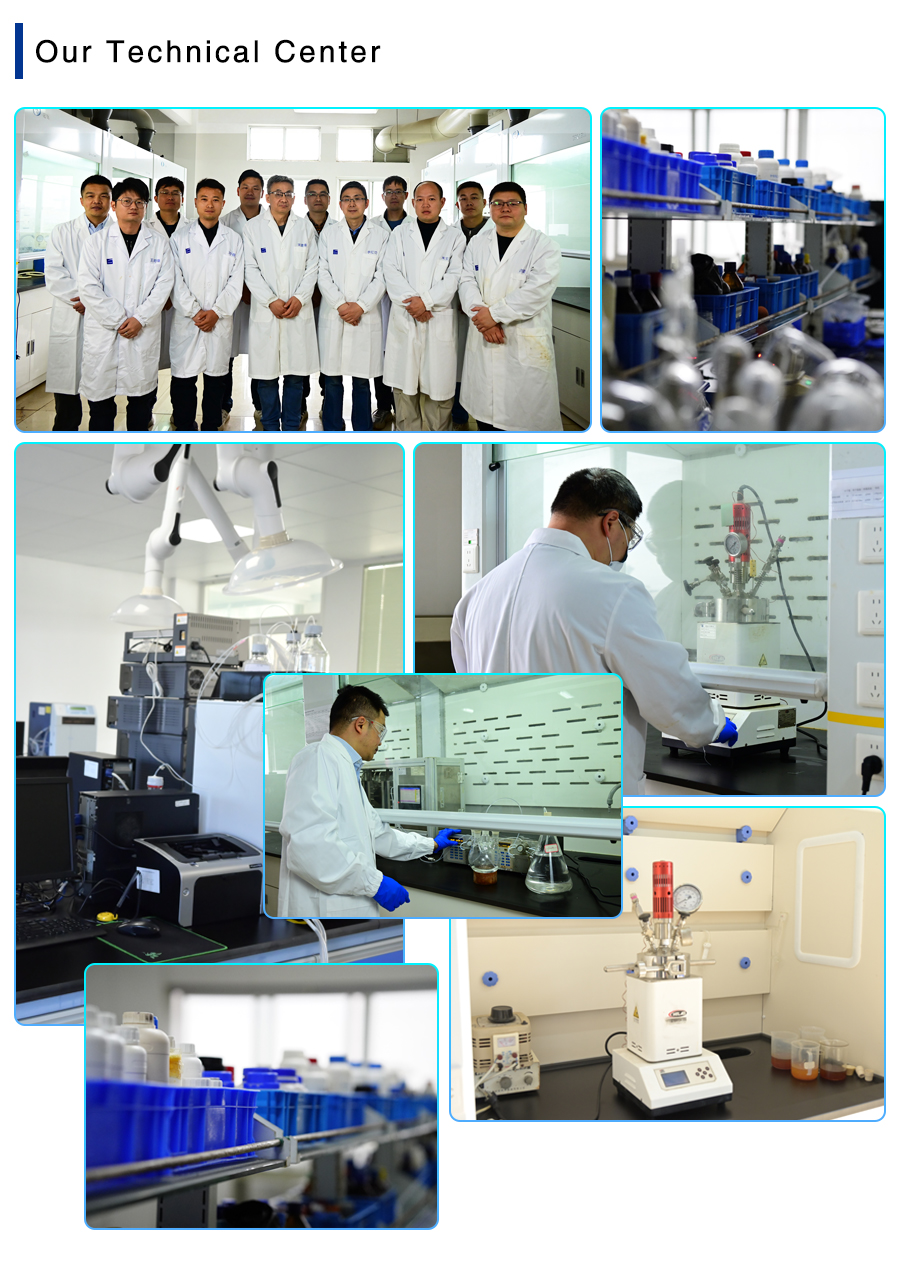
Direct alignment with EASTFINE grants enterprise buyers direct access to advanced process development. Led by senior chemical engineers with doctoral backgrounds, our R&D division holds 19 invention patents and 8 utility model patents.
By applying continuous-flow reaction technology to the bromination and purification of BMCP, EASTFINE minimizes side-product formation, increases atom economy, and lowers overall energy consumption. By cutting out middleman trader markups, we pass these process efficiencies directly to our clients through competitive, factory-direct pricing.
Quality is built into every step of our manufacturing workflow. Operating under cGMP-aligned guidelines and dual ISO 9001 (Quality Management) and ISO 14001 (Environmental Management) certifications, EASTFINE delivers batch-to-batch consistency with purity guaranteed at ≥ 99.0% via Gas Chromatography (GC-FID).
Every commercial shipment is accompanied by a full analytical dossier:
Batch-specific Certificates of Analysis (CoA)
Complete Gas Chromatography (GC-FID) purity profiles
Moisture content analysis via Karl Fischer titration
Structural verification via Infrared (IR) and Nuclear Magnetic Resonance (1H-NMR / 13C-NMR) spectroscopy
Fully compliant Safety Data Sheets (SDS) and Technical Data Sheets (TDS)
To prevent thermal decomposition, HBr release, and light-induced degradation during long-distance ocean or air transit, EASTFINE packages (Bromomethyl)cyclopropane in specialized UN-rated, light-shielded, moisture-resistant containers fitted with inert gas purging systems. Our dedicated internal export team handles dangerous goods documentation, customs clearance, and turnkey international freight dispatch, ensuring safe, on-time delivery to your facility.
In commercial API and agrochemical synthesis, your intermediate supplier directly impacts product performance, regulatory compliance, and overall campaign profitability. Partnering directly with EASTFINE gives global procurement teams direct factory pricing, high batch purity, and complete supply chain resilience.
Contact the EASTFINE commercial sales team today to request custom price quotes, review technical compliance files, or reserve commercial campaign allocations for (Bromomethyl)cyclopropane (CAS No. 7051-34-5).


 简体中文
简体中文

