Introduction
The Synthetic Challenge of Cyclopropyl Building Blocks
In the modern chemical industry, (Bromomethyl)cyclopropane (CAS No. 7051-34-5)—commonly known as BMCP—is widely recognized as one of the most chemically effective yet operationally delicate intermediates in life science synthesis. Its reactive primary alkyl halide coupled with high ring-strain energy (27.5 kcal/mol) allows for rapid, highly efficient alkylation.
However, this same thermodynamic drive makes classical batch manufacturing of BMCP a constant compromise between product yield, isomer purity, and environmental compliance.
The Shift Toward Green Process Intensification
As pharmaceutical and agrochemical developers face tightening global ESG (Environmental, Social, and Governance) mandates alongside strict API impurity thresholds, traditional batch bromination methods are becoming commercially unviable.
Transitioning from batch kettles to continuous-flow microreactor engineering represents a major technical breakthrough—delivering high atom economy, suppressing dangerous side-reactions, and eliminating processing bottlenecks for multi-ton industrial campaigns.
Technical Bottlenecks of Traditional Batch Synthesis
Thermal Runaway Risks and Safety Hazards
Classical batch synthesis of BMCP typically involves the bromination of cyclopropanemethanol using reagents like phosphorus tribromide (PBr3), hydrobromic acid (HBr), or Appel-type halogenation systems (PPh3/CBr4).
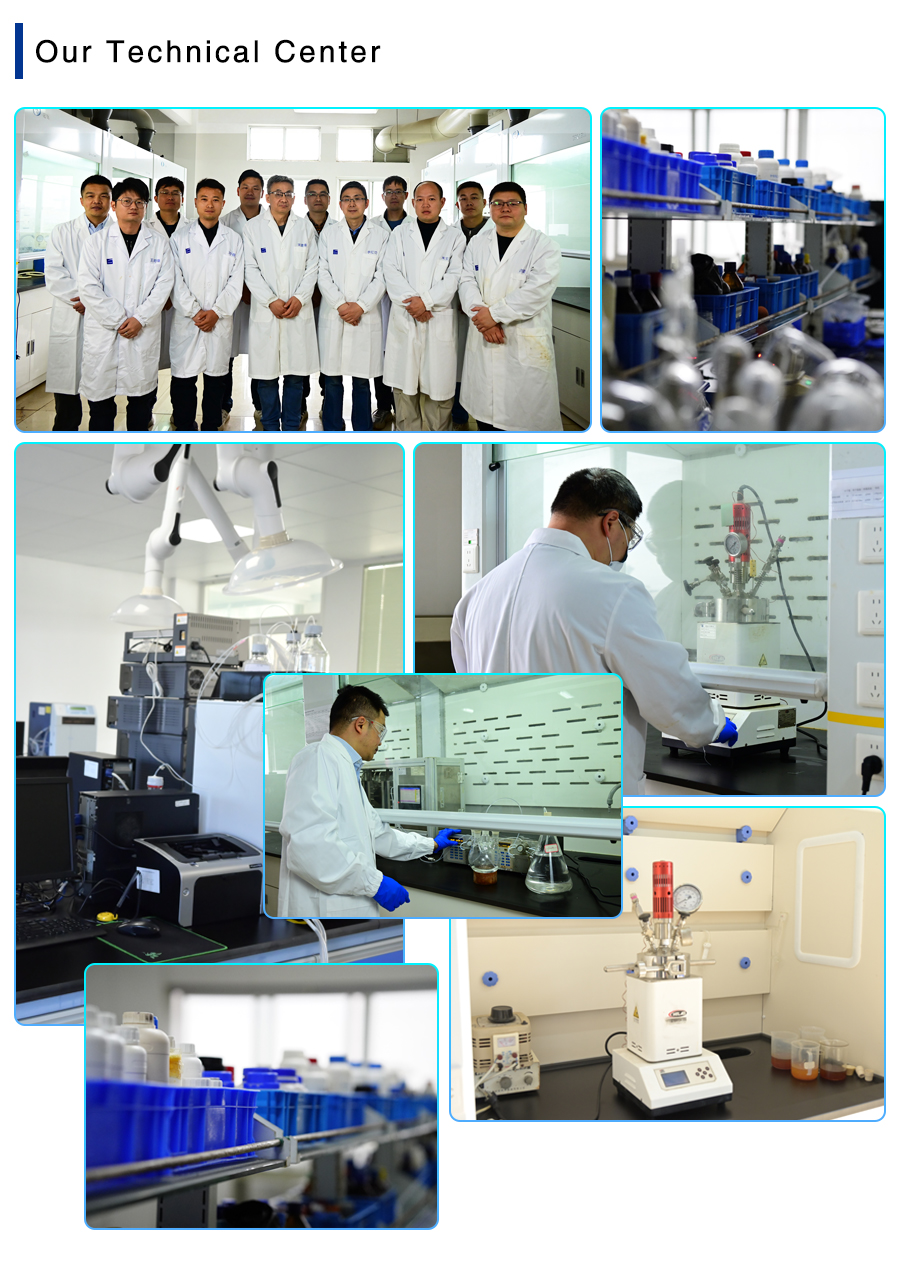
Exothermic Spikes:
Halogenation of cyclopropyl alcohols releases significant heat. In large-volume batch reactors (>1,000 L), poor heat-transfer surface-to-volume ratios cause localized hot spots.
Accumulation Hazards:
Slow heat dissipation leads to unreacted reagent buildup, risking sudden thermal runaways, pressure surges, and hazardous gas generation.
Homoallylic Rearrangement and Isomer Contamination
The most persistent chemical challenge in BMCP synthesis is the rapid rearrangement of the cyclopropylmethyl cation intermediate. Under thermal stress or acidic conditions, the molecule undergoes ring-opening to form 4-Bromo-1-butene or rearranges into cyclobutyl bromide.
Mechanics of Isomerization
Ring-Opening Path:
Elevated batch temperatures favor the thermodynamically stable ring-opened isomer, 4-Bromo-1-butene.
Separation Friction:
Because 4-Bromo-1-butene and BMCP have closely overlapping boiling points (105 to 107 degrees C), fractional distillation requires energy-intensive columns with high reflux ratios, leading to product loss and thermal degradation during re-boiling.
Downstream API Impact:
Residual 4-Bromo-1-butene acts as an active alkylating agent in downstream drug candidate synthesis, introducing unwanted alkenyl impurities into advanced pharmaceutical intermediates.
Continuous-Flow Chemistry: Process Intensification for BMCP
Precise Residence Time and Thermal Control
Continuous-flow microreactor technology resolves the core thermodynamic limitations of batch reactors by performing halogenation reactions within narrow, high-heat-transfer channels.
Precision Temperature Regulation
With surface-area-to-volume ratios thousands of times higher than standard stirred-tank reactors, micro-reactors absorb reaction heat instantaneously. Temperatures are held within a tight window of plus or minus 0.5 degrees C, suppressing the thermal activation threshold required for homoallylic ring-opening.
Sub-Second Residence Time Management
Continuous micro-mixers enable exact control over stoichiometry and contact time. The reaction proceeds to completion within seconds before being immediately quenched in a secondary flow module. Minimizing exposure to acidic, elevated-temperature environments prevents BMCP from degrading or isomerizing into 4-Bromo-1-butene.
Green Chemistry and Atom Economy Advantages
Adopting continuous-flow process intensification aligns directly with green chemical manufacturing principles:
Solvent Elimination & Recycling:
Micro-flow systems operate efficiently at higher concentrations or under neat conditions, dramatically reducing waste solvent mass intensity (PMI).
Closed-Loop Waste Stream Minimization:
In-line aqueous washing and phase separation modules remove inorganic bromide salts and excess acid continuously, neutralizing hazardous emissions before they reach effluent treatment streams.
Enhanced Atom Economy:
By reducing side-reaction pathways, target product yields consistently exceed 95%, reducing raw material waste and energy consumption per kilogram produced.
EASTFINE's Engineering & Primary Manufacturing Capabilities
Advanced Micro-Flow Production Assets
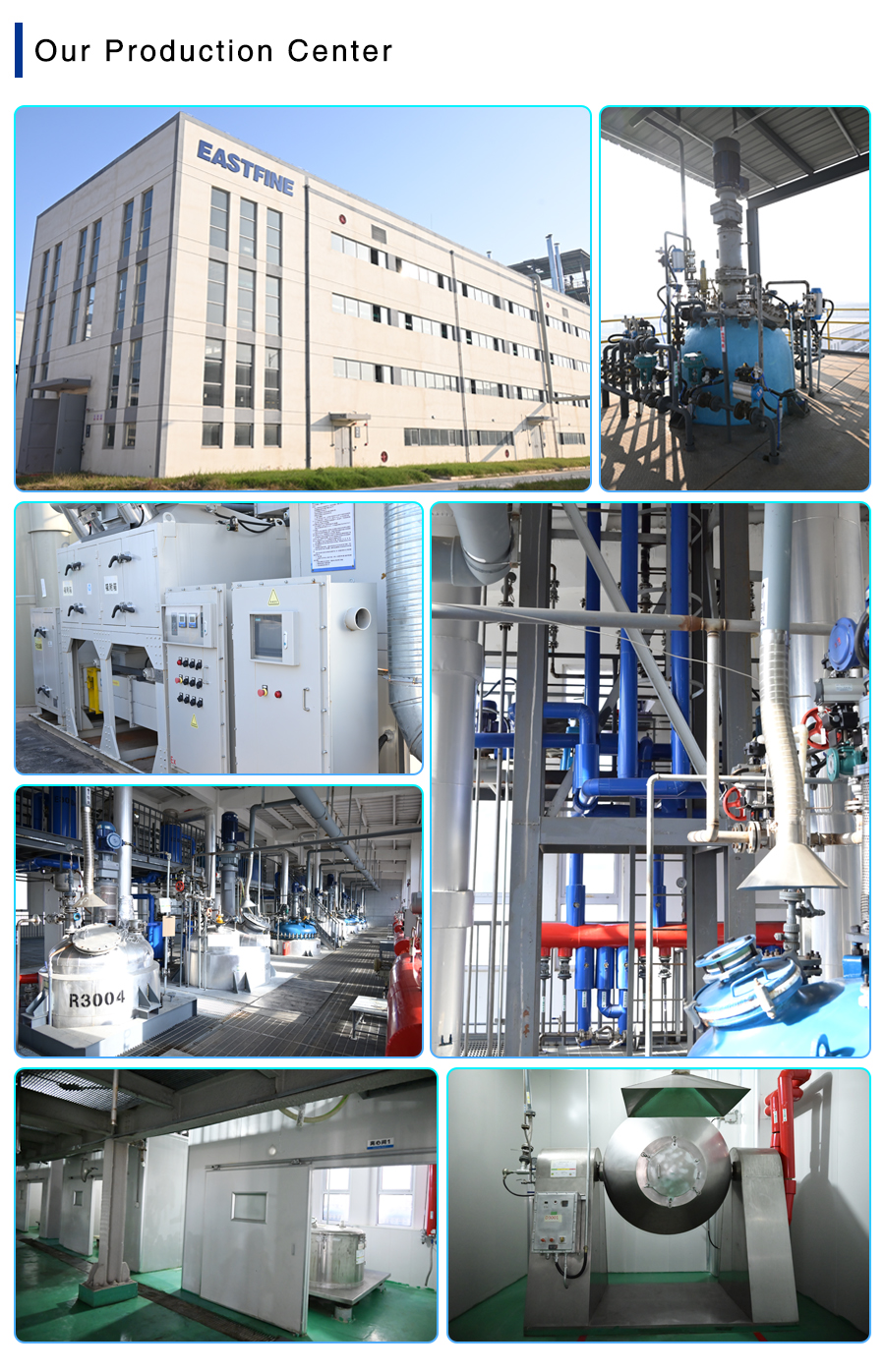
Moving advanced flow chemistry from laboratory benches to multi-ton commercial output requires significant capital investment and process chemistry expertise. EASTFINE has engineered custom, continuous-flow production lines dedicated to high-purity halogenation chemistry at its primary manufacturing complexes in Dalian and Heze.

Continuous Bromination and In-Line Purification Modules
EASTFINE’s specialized production lines integrate continuous dosing units, corrosion-resistant Hastelloy micro-reactors, and continuous wiped-film evaporators. This setup achieves continuous conversion and purification without holding large, unstable batch volumes at elevated temperatures.
Real-Time Analytical Monitoring (Process Analytical Technology)
Our flow units are equipped with Process Analytical Technology (PAT), including in-line Process Gas Chromatography (GC) and FTIR spectroscopy. Key parameters—such as conversion rates, acidity levels, and isomer ratios—are monitored continuously, ensuring every liter of BMCP meets tight specification windows before collection.
Supply Security Through Strategic Dual-Site Redundancy
Production Load Balancing Across Dalian and Heze
Operating two fully owned, cGMP-aligned manufacturing facilities gives EASTFINE a distinct operational advantage. By running identical continuous-flow reaction platforms in both Dalian and Heze, production schedules for CAS No. 7051-34-5 are shielded from single-point disruptions. Equipment maintenance or environmental audits at one site can be offset by balancing production loads to the second plant.
Direct Factory Pricing and Patent Protection
EASTFINE's internal R&D team holds 19 invention patents and 8 utility model patents focused on reaction engineering and intermediate purification. By eliminating middleman trading markups and leveraging continuous-flow efficiency, EASTFINE provides enterprise procurement teams with direct factory pricing and long-term contract pricing stability.
Comprehensive Quality Documentation & Protective Logistics
Audit-Ready Compliance Packages
Every commercial allocation of (Bromomethyl)cyclopropane from EASTFINE includes a complete analytical dossier:
Batch-specific Certificates of Analysis (CoA)
High-resolution GC-FID purity profiles (guaranteeing assay equal to or greater than 99.0% with 4-Bromo-1-butene equal to or less than 0.30%)
Karl Fischer moisture assay (equal to or less than 0.10%) and free acid content (HBr equal to or less than 0.05%)
NMR structural verification
Compliant SDS and TDS documentation
Inert Handling and Cold-Chain Logistics
To ensure product stability during international transport, BMCP is packaged under a dry nitrogen blanket in UN-rated, light-shielded, corrosion-resistant drums fitted with moisture-barrier seals. EASTFINE’s internal export team manages cold-chain logistics, hazardous goods documentation, and global freight dispatch.
Partnering with EASTFINE for Sustainable Supply Chains
Strengthening API and Agrochemical Pipelines
In an era where regulatory bodies demand both higher purity standards and lower environmental footprints, sourcing intermediates from advanced primary manufacturers is essential. EASTFINE's continuous-flow manufacturing process for (Bromomethyl)cyclopropane (CAS No. 7051-34-5) combines green chemistry principles with high-volume industrial reliability.
Request Technical Dossiers and Samples
Contact EASTFINE’s technical sales division today to review process validation data, request sample batches, or establish campaign allocations for high-purity (Bromomethyl)cyclopropane.


 English
 العربية
 Français
 Русский
 Español
 Português
 Deutsch
 italiano
 日本語
日本語 한국어
한국어 Nederlands
 Tiếng Việt
 ไทย
ไทย Polski
 Türkçe
 አማርኛ
አማርኛ ພາສາລາວ
 Bahasa Melayu
 ဗမာစာ
ဗမာစာ Filipino
 Bahasa Indonesia
 magyar
 Română
 Čeština
 қазақ
қазақ Српски
 हिन्दी
 فارسی
فارسی Kiswahili
 Slovenčina
 Slovenščina
 Norsk
Norsk Svenska
 українська
 Ελληνικά
 Suomi
Suomi עברית
עברית Dansk
Dansk اردو
اردو Shqip
Shqip বাংলা
বাংলা Hrvatski
 Gaeilge
 Eesti keel
 Oʻzbekcha
 latviešu
 Azərbaycan dili
 Български
 ქართული
 íslenska
 Lietuvių


 简体中文
简体中文


