Introduction: The New "License to Operate"
As we move through 2026, the pharmaceutical and agrochemical industries have reached a regulatory tipping point. The era of "Voluntary ESG Reporting" has ended, replaced by the 2026 Global Sustainable Chemistry Directive (GSCD) and the full enforcement of the EU Carbon Border Adjustment Mechanism (CBAM). For global drug manufacturers, the carbon footprint of their Tier-2 and Tier-3 intermediates is no longer a footnote—it is a financial and legal liability.
The challenge is that many foundational building blocks are still produced using carbon-heavy, legacy oxidation methods. This creates a "Green Wall" that stalls clinical progress and inflates the cost of goods (COGS) through carbon taxes. EASTFINE, a pharmaceutical and agrochem intermediate company, has spent the last five years re-engineering its manufacturing core. By prioritizing catalytic efficiency and renewable energy integration, EASTFINE provides the low-carbon intermediates necessary to keep 2026 pipelines both compliant and profitable.
The Growing Demand—The 2026 Regulatory Landscape
The demand for "Low-CI" (Low Carbon Intensity) intermediates is no longer driven by marketing, but by three distinct regulatory pressures.
CBAM and the End of "Hidden" Emissions
In 2026, the Carbon Border Adjustment Mechanism has moved beyond bulk steel and cement into the fine chemical sector. Pharmaceutical companies importing intermediates into the EU must now pay a carbon price equivalent to the EU Emissions Trading System (ETS).
The Financial Impact:
Sourcing from high-emission, coal-reliant factories now results in a "Carbon Levy" that can add up to 15% to the landed cost of the material.
The EASTFINE Buffer:
Because our processes are optimized for high-selectivity and low-energy consumption, EASTFINE-sourced intermediates carry a significantly lower carbon tax burden, preserving your margins.
The "Green Tender" in Public Healthcare
Major government health systems, such as the NHS in the UK and centralized EU procurement bodies, have introduced "Sustainability Weighting" in 2026.
Winning Contracts:
A drug’s eligibility for public reimbursement is now partially tied to its total lifecycle emissions. Utilizing EASTFINE’s verified low-emission precursors directly improves a pharmaceutical firm’s tender score, securing market access that "dirtier" alternatives lose.
Why is This Category Industrially Critical?
The industrial criticality of the "Green" transition lies in the Relationship between Purity and Sustainability.
High Selectivity = Low Waste
In legacy chemical manufacturing, low selectivity leads to high amounts of byproducts. In 2026, "Waste" is redefined as "Lost Carbon."
The Efficiency Link:
A process that is 99% selective doesn't just produce a better product; it requires less energy for purification and creates less hazardous waste for disposal. This "Clean-at-Source" philosophy is the only way to meet the 2026 Process Mass Intensity (PMI) targets set by global regulatory bodies.
Solvent Recovery and the Circular Economy
The 2026 pharmaceutical plant is a closed-loop system. Intermediates must be compatible with recycled solvents to minimize the "Environmental Factor" (E-Factor).
The EASTFINE Advantage:
Our intermediates are refined to eliminate trace contaminants that interfere with solvent recovery systems. By starting with a "cleaner" intermediate, the entire circular economy of the plant remains functional.
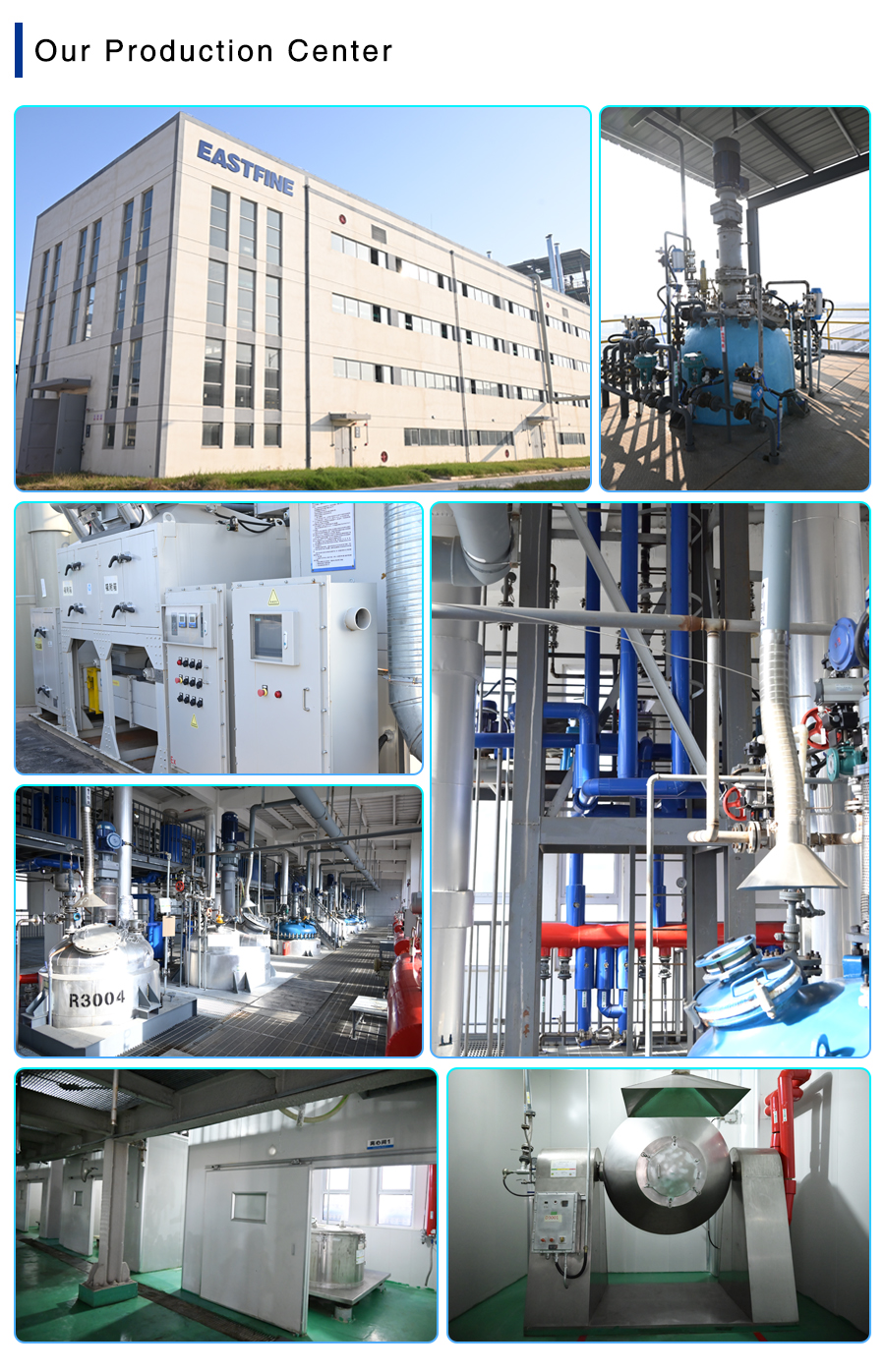
GRAND ARCHITECTURE—The EASTFINE Catalytic Manufacturing Blueprint
In 2026, the hallmark of a leading B2B intermediate partner is the move from Stoichiometric Oxidation to Catalytic Dehydrogenation.
The End of Heavy Metal Waste
Traditional synthesis often relied on stoichiometric amounts of heavy metal oxidants (like Chromium or Manganese). In 2026, these methods are effectively banned in "Green" pharmaceutical suites due to the difficulty of waste remediation.
The Transition:
EASTFINE utilizes advanced, reusable heterogeneous catalysts. This "Solid-Phase" catalysis ensures that the product is never contaminated with heavy metals, while the catalyst itself is recovered and reused for hundreds of cycles, slashing the carbon footprint per kilogram.
Renewable Integration in the 2026 Smart Factory
The energy used to heat reactors in 2026 must be green.
Grid Optimization:
EASTFINE’s manufacturing facilities are powered by a hybrid solar-wind grid. We utilize Thermal Energy Storage (TES) to synchronize our high-energy distillation phases with periods of peak renewable output.
B2B Transparency:
We provide our partners with a Digital Carbon Certificate for every batch, detailing the exact kilowatt-hours of renewable energy used in production. This data is "Audit-Ready" for your annual ESG disclosures.
Key Supplier Selection Criteria in the ESG Era
Procurement teams must now vet suppliers through an Environmental & Technical (E&T) Matrix.
Verified LCA Data
In 2026, a "Declaration of Sustainability" is worthless without a Life Cycle Assessment (LCA).
The EASTFINE Standard:
Every intermediate we ship is accompanied by a ISO 14067-compliant LCA. We track emissions from "Cradle-to-Gate," giving your ESG team the hard numbers they need to prove Scope 3 reductions to investors and regulators.
The "Digital Twin" for Process Optimization
A supplier that provides a chemical but no data is a liability.
Predictive Performance:
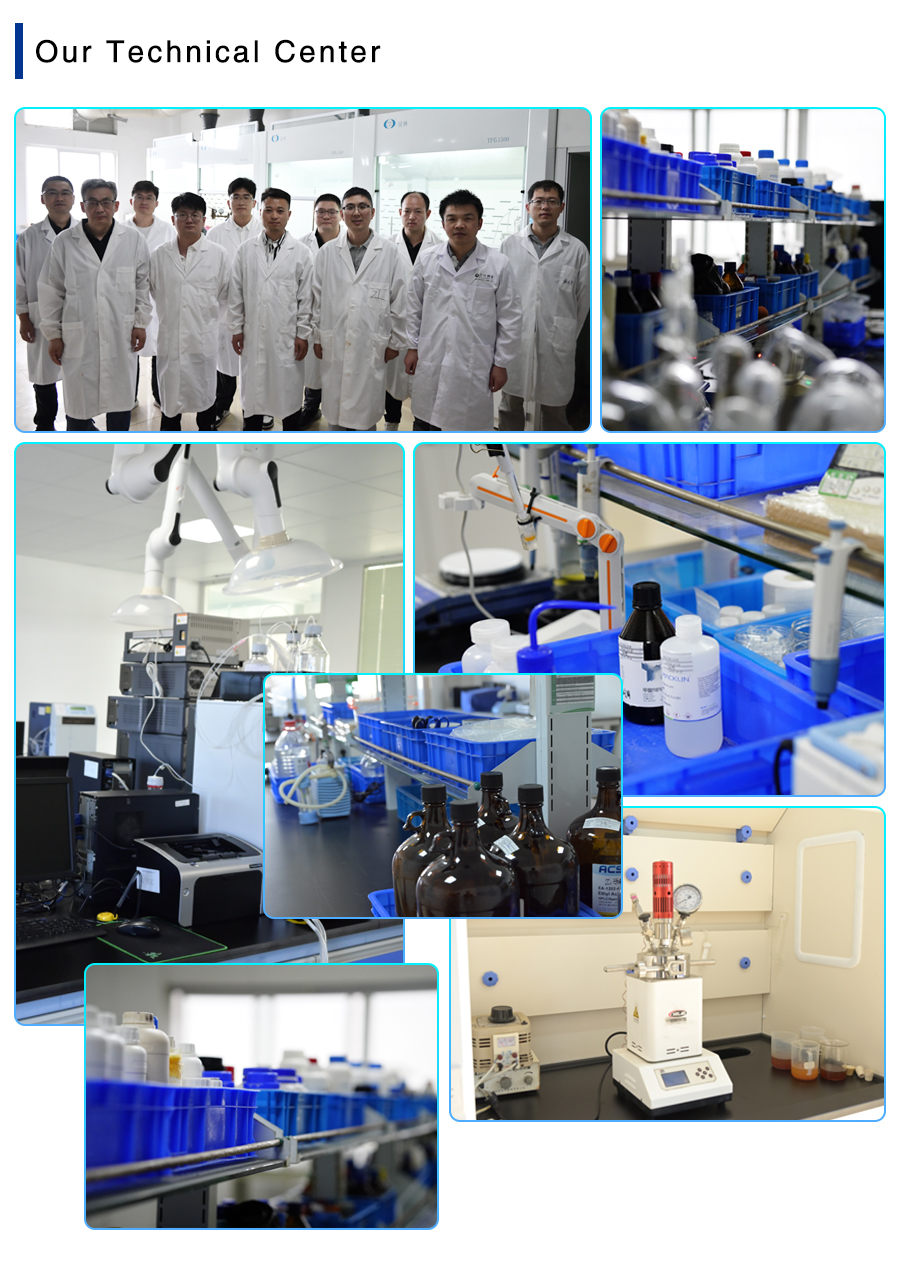
We provide our B2B partners with "Process Digital Twins"—computational models of how our intermediates behave in various solvent systems. This allows your R&D team to optimize for the lowest energy consumption before the first physical batch is even run.
Why Choose EASTFINE? The 2026 "Green" Benchmark
At EASTFINE, we have turned regulatory compliance into a competitive advantage for our partners.
Manufacturing Authority:
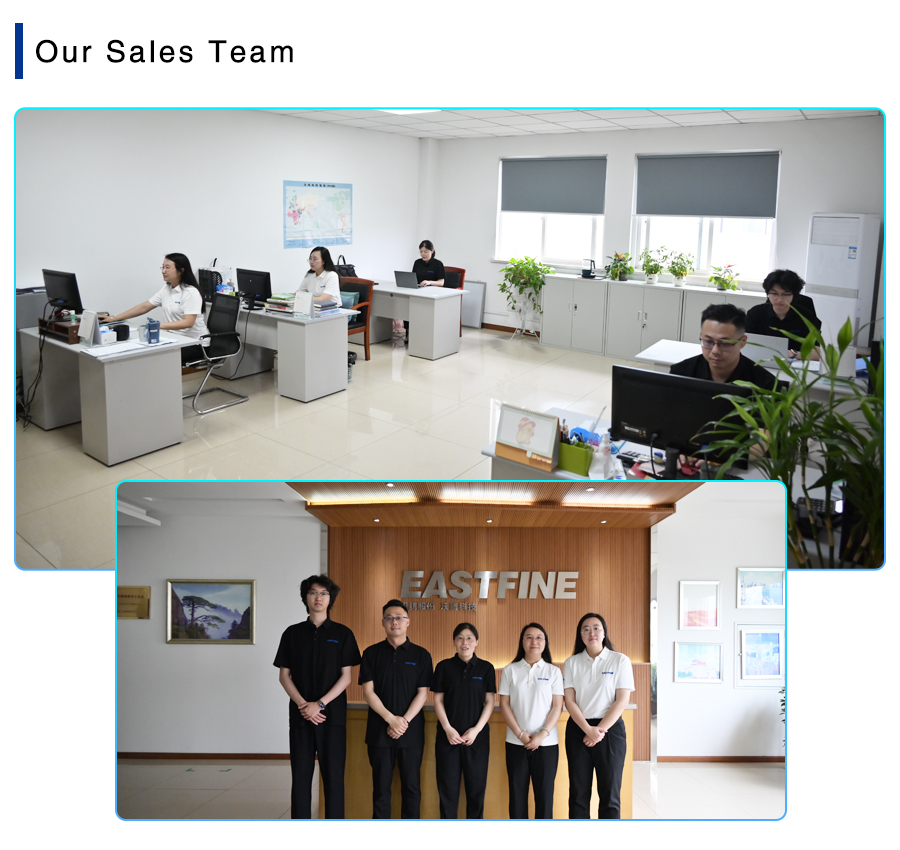
We are a specialized pharmaceutical and agrochem intermediate company with a focus on "Purity-by-Design." Our purity levels consistently hit ≥ 99.5%, which is the primary driver of downstream energy savings.
Technical Transparency:
We provide actual physical data (Density: 0.918 g/mL, Boiling Point: 142-145°C, Moisture: <0.05%) for every batch. No "three dots," no guesswork.
2026 ESG Compliance:
Our facilities are the first in the region to achieve Net-Zero (Scope 1 & 2) status, making us the de-risked partner of choice for "Green Pharma" initiatives.
Global Logistics Resilience:
Our hubs in Singapore and Rotterdam are optimized for low-carbon shipping routes, further reducing the embedded emissions of your supply chain.
The 2026 Economic Outlook—The ROI of "Green" Sourcing
The financial justification for "Green" sourcing is no longer about a "Premium"—it's about Risk Mitigation.
Avoiding the "Carbon Tax" Trap
As CBAM and other carbon levies increase in 2026 and 2027, the price of "dirty" chemicals will rise exponentially.
Fixed-Cost Security:
Sourcing from EASTFINE’s low-emission production lines provides price stability. You are shielded from the volatility of carbon credit markets, allowing for more accurate long-term COGS forecasting.
Accelerating Time-to-Market
Regulators are fast-tracking "Green" drug applications.
The Approval Edge:
By documenting a low-carbon supply chain from the start, pharmaceutical firms can often navigate "Priority Review" pathways designed to encourage sustainable innovation, potentially reaching patients (and revenue) months earlier.
Conclusion: Scaling the Wall Together
The "Green" Regulatory Wall of 2026 is high, but it is not insurmountable. For the pharmaceutical and agrochemical industries, the solution lies in the quality of the building blocks. By choosing EASTFINE, you are securing more than just an intermediate; you are securing a de-risked, decarbonized, and highly efficient future for your entire pipeline.


 English
 العربية
 Français
 Русский
 Español
 Português
 Deutsch
 italiano
 日本語
日本語 한국어
한국어 Nederlands
 Tiếng Việt
 ไทย
ไทย Polski
 Türkçe
 አማርኛ
አማርኛ ພາສາລາວ
 Bahasa Melayu
 ဗမာစာ
ဗမာစာ Filipino
 Bahasa Indonesia
 magyar
 Română
 Čeština
 қазақ
қазақ Српски
 हिन्दी
 فارسی
فارسی Kiswahili
 Slovenčina
 Slovenščina
 Norsk
Norsk Svenska
 українська
 Ελληνικά
 Suomi
Suomi עברית
עברית Dansk
Dansk اردو
اردو Shqip
Shqip বাংলা
বাংলা Hrvatski
 Gaeilge
 Eesti keel
 Oʻzbekcha
 latviešu
 Azərbaycan dili
 Български
 ქართული
 íslenska
 Lietuvių


 简体中文
简体中文


