Introduction: The Small Ring Revolution
In the fast-paced world of medicinal chemistry in 2026, the cyclopropyl group has transitioned from a structural curiosity to a strategic necessity. At the heart of this trend is (Bromomethyl)cyclopropane (CAS 7051-34-5), an alkyl halide that serves as the "gold standard" building block for introducing the cyclopropylmethyl moiety into complex molecules.
As pharmaceutical pipelines shift toward more rigid, three-dimensional scaffolds to improve metabolic stability and binding affinity, the demand for high-purity cyclopropyl derivatives has skyrocketed. For B2B procurement professionals and R&D heads, understanding the nuances of CAS 7051-34-5 is no longer just about chemistry—it is about supply chain resilience, purity-driven ROI, and choosing a manufacturer that understands the "Product Insights" required for clinical success. EASTFINE, with decades of expertise in fine chemistry, stands at the forefront of this industrial surge.
The Growing Demand—Market and Applications
The year 2026 has marked a pivotal moment for (Bromomethyl)cyclopropane. Its market trajectory is driven by three primary sectors: Targeted Protein Degradation (TPD), Neurological Therapeutics, and Next-Gen Crop Protection.
Targeted Protein Degradation (PROTACs and Molecular Glues)
The 2026 drug discovery landscape is dominated by TPD. Medicinal chemists are finding that the cyclopropylmethyl group, introduced via CAS 7051-34-5, offers a unique balance of lipophilicity and steric hindrance. In the design of E3 ligase recruiters, the cyclopropyl group provides a hydrophobic "hot spot" that fits precisely into ligase pockets like Cereblon (CRBN).
Central Nervous System (CNS) Innovations
In the treatment of epilepsy and chronic pain, (Bromomethyl)cyclopropane is a critical intermediate for KCNQ2 openers and opioid ligands. Its ability to act as a bioisostere for bulky alkyl groups while maintaining a lower molecular weight makes it indispensable for crossing the Blood-Brain Barrier (BBB).
Agrochem and Fine Chemistry
Beyond pharma, the agrochemical sector utilizes CAS 7051-34-5 for the synthesis of advanced fungicides and insecticides. The rigidity of the cyclopropane ring enhances the photostability of these compounds, a major requirement for the 2026 "Green Agro" regulations.
Why is This Compound Industrially Critical?
From a chemical perspective, (Bromomethyl)cyclopropane is a "dual-threat" reagent. It combines the reactivity of a primary alkyl bromide with the unique electronic properties of a strained three-membered ring.
High Reactivity vs. Structural Integrity
Unlike linear alkyl halides, the cyclopropylmethyl cation has a unique electronic stability due to the overlap of the cyclopropane C-C bonds with the empty p-orbital. This makes (Bromomethyl)cyclopropane highly reactive in SN2 and SN1 reactions, yet the ring itself is surprisingly robust under standard synthetic conditions.
The "Rule of 5" Optimizer
In 2026, staying within Lipinski’s "Rule of 5" is harder than ever as molecules grow in complexity. Incorporating a cyclopropyl group via CAS 7051-34-5 allows chemists to increase the Fraction of sp3 carbons (Fsp3). This is a key metric in 2026 for improving the solubility and reducing the toxicity of drug candidates.
Product Insights—The Technical Deep Dive
Following our rigorous technical framework, here are the core insights for (Bromomethyl)cyclopropane as supplied by EASTFINE.
What is (Bromomethyl)cyclopropane?
(Bromomethyl)cyclopropane is a clear, colorless to light yellow liquid with a molecular formula of C4H7Br. It is categorized as a halogenated hydrocarbon and is specifically used as a cyclopropylmethylating agent.
Applications of (Bromomethyl)cyclopropane
Reductive Alkylation:
In the synthesis of tertiary amines for CNS drugs.
Iron-Catalyzed Cross-Coupling:
Used to create 1,4-dienes through reaction with alkenyl Grignard reagents.
Building Block for Benzoxazines:
Essential for potent hippocampal neuron inhibitors.
Advantages of (Bromomethyl)cyclopropane
Metabolic Shielding:
Blocks oxidative dealkylation compared to straight-chain methyl or ethyl groups.
Steric Control:
Offers a "compact bulk" that can shield sensitive nitrogen atoms in an API.
Biomechanics of (Bromomethyl)cyclopropane
In biological systems, the cyclopropylmethyl moiety acts by occupying hydrophobic pockets within enzymes or receptors. Its strained bond angles (≈ 60 °) create a "shape-memory" effect that optimizes the van der Waals interactions between the drug and its target protein.
Synthetic Strategy
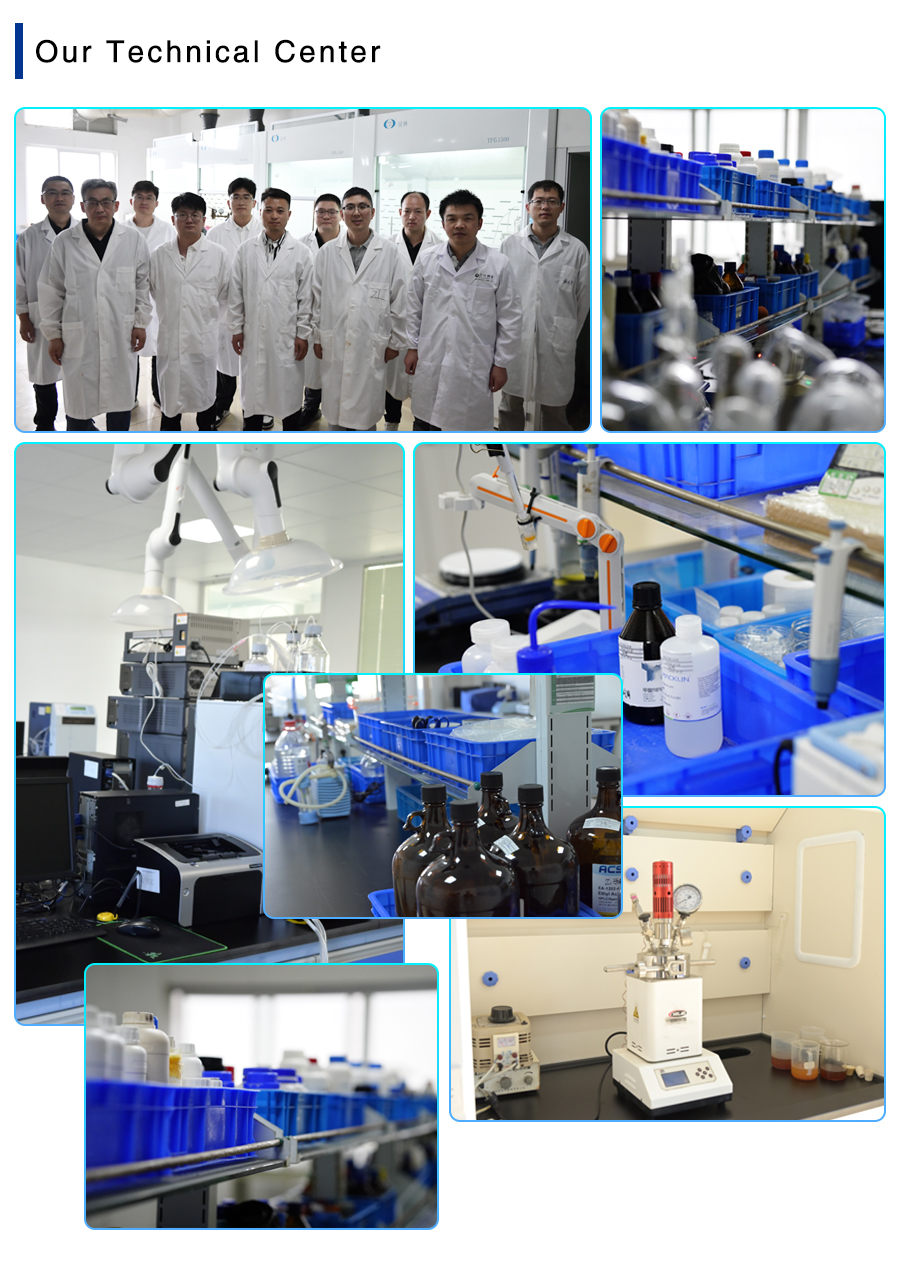
In the lab, the use of CAS 7051-34-5 requires careful control of temperature.
Preparation:
The reaction should typically occur under an inert atmosphere (Nitrogen or Argon) to prevent moisture-driven hydrolysis.
Solvent Selection:
Polar aprotic solvents like DMF or MeCN are preferred for SN2 displacement.
Base Choice:
Weak bases like K2CO3 or Cs2CO3 are often sufficient to facilitate the alkylation of amines or phenols.
Handling and Storage
(Bromomethyl)cyclopropane is heat and air-sensitive.
Storage:
Must be kept refrigerated (0-10°C) or frozen for long-term stability.
Handling:
Use explosion-proof equipment. Grounding and bonding of containers is mandatory due to its flash point of 41°C.
Conclusion of Product Insights
As a highly versatile building block, the successful application of CAS 7051-34-5 depends entirely on the purity of the starting material. Any trace of cyclopropylmethanol or 1,4-dibromobutane byproducts can lead to failed batches in late-stage synthesis.
Key Supplier Selection Criteria (The EASTFINE Standard)
In 2026, the B2B procurement landscape for chemical intermediates has shifted from "lowest price" to "highest reliability." When selecting a manufacturer for (Bromomethyl)cyclopropane, three criteria are paramount:
Analytical Transparency
A supplier must provide more than just an "assay." For CAS 7051-34-5, EASTFINE provides full GC-MS and 1H-NMR profiling. In the pharmaceutical sector, knowing the identity of the 1% impurity is more important than knowing the 99% purity.
Regulatory Compliance (REACH and Beyond)
With the 2026 updates to REACH and global GHS standards, documentation is a product in itself. EASTFINE ensures all shipments are accompanied by up-to-date SDS and COA documents that meet the stringent requirements of EU and US customs.
Scalability: From Lab to Pilot to Commercial
Many traders can supply 5g, but few can supply 500kg with the same batch-to-batch consistency. EASTFINE’s infrastructure is designed for the CDMO model, ensuring that as your drug candidate progresses, your supply chain remains unbroken.
Why Choose EASTFINE?
Choosing EASTFINE is not just about purchasing a chemical; it is about investing in a partnership that de-risks your R&D.

Manufacturing Excellence:
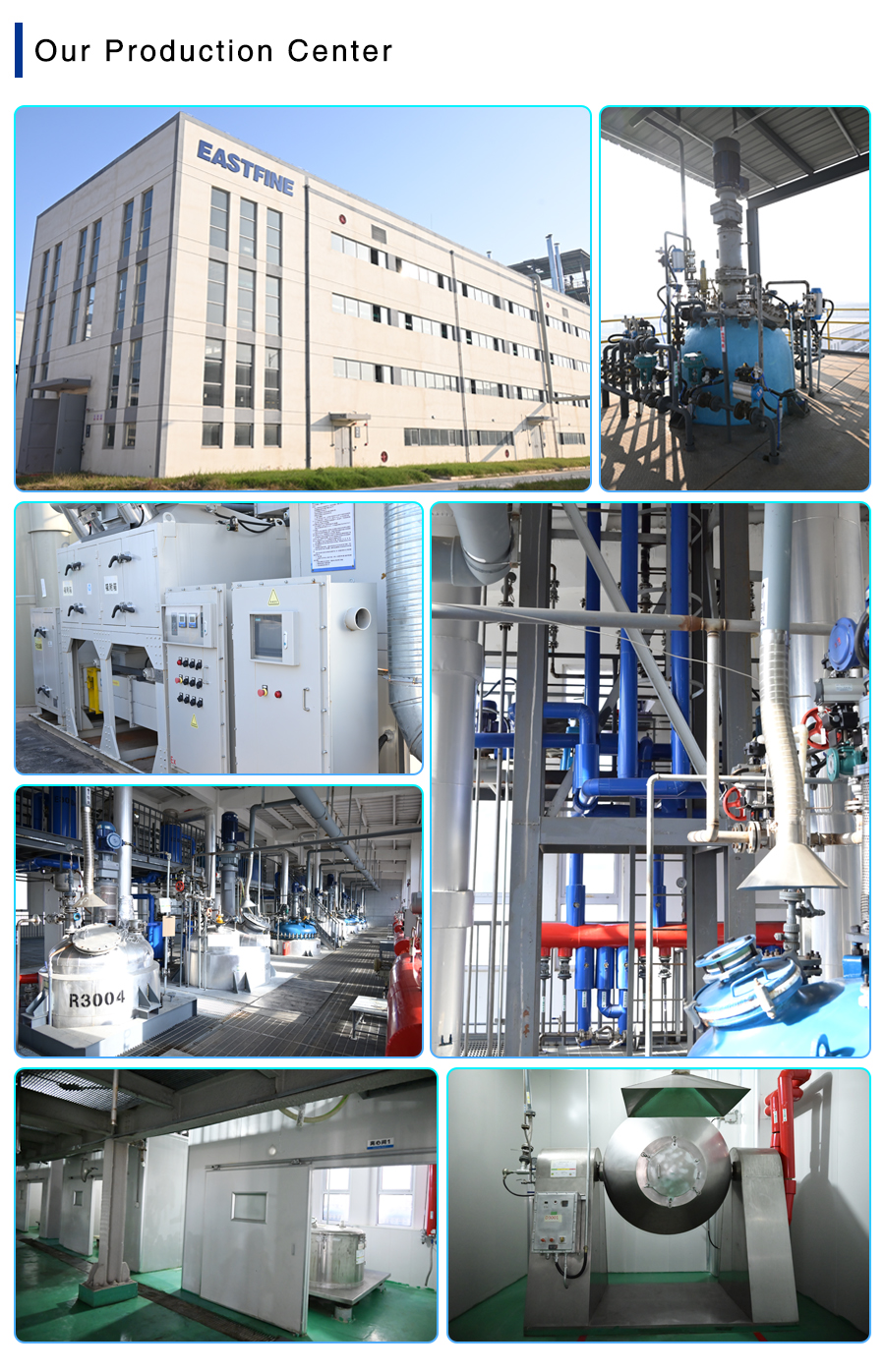
Our facility utilizes advanced distillation columns that achieve a purity of ≥ 98%, exceeding the industry standard of 97%.
Precision Properties:
We don't use "three dots" in our data. Our (Bromomethyl)cyclopropane has a verified density of 1.392 g/mL and a boiling point of 105-107°C, ensuring your process parameters stay consistent.
The EASTFINE Guarantee:
We understand that in the pharmaceutical and agrochem intermediate world, a delay is a disaster. Our 2026 logistics network is optimized for "Just-in-Time" delivery to major global hubs.
Final Conclusion: The Future of CAS 7051-34-5
The demand for (Bromomethyl)cyclopropane will only continue to grow as the industry moves toward more complex, three-dimensional drug design. In 2026, the competitive edge belongs to those who can secure high-quality intermediates from a reliable, expert source.
EASTFINE remains committed to being that source. By combining deep chemical expertise with a modern, B2B-focused service model, we ensure that your synthetic projects—from PROTACs to high-efficiency fungicides—reach their full potential.


 English
 العربية
 Français
 Русский
 Español
 Português
 Deutsch
 italiano
 日本語
日本語 한국어
한국어 Nederlands
 Tiếng Việt
 ไทย
ไทย Polski
 Türkçe
 አማርኛ
አማርኛ ພາສາລາວ
 Bahasa Melayu
 ဗမာစာ
ဗမာစာ Filipino
 Bahasa Indonesia
 magyar
 Română
 Čeština
 қазақ
қазақ Српски
 हिन्दी
 فارسی
فارسی Kiswahili
 Slovenčina
 Slovenščina
 Norsk
Norsk Svenska
 українська
 Ελληνικά
 Suomi
Suomi עברית
עברית Dansk
Dansk اردو
اردو Shqip
Shqip বাংলা
বাংলা Hrvatski
 Gaeilge
 Eesti keel
 Oʻzbekcha
 latviešu
 Azərbaycan dili
 Български
 ქართული
 íslenska
 Lietuvių


 简体中文
简体中文


