Executive Summary: The New "Green" Barrier in B2B Sourcing
In the global pharmaceutical landscape of 2026, the "lowest price" is no longer the final price. The implementation of the Carbon Border Adjustment Mechanism (CBAM) has introduced a carbon-based tariff on goods imported into the EU, with similar frameworks emerging in North America and Asia. For manufacturers of Active Pharmaceutical Ingredients (APIs), the carbon intensity of their starting materials—specifically key building blocks like Cyclopentanecarbaldehyde (CAS 872-53-7)—now has a direct impact on their bottom-line profitability and market access.
Sourcing CAS 872-53-7 through traditional 3rd-party traders often results in a "Carbon Blind Spot." Traders cannot provide the granular, facility-level emissions data required for CBAM filings, leaving importers vulnerable to default carbon penalties. This briefing details how EASTFINE’s advanced catalytic dehydrogenation process and transparent ESG reporting provide a low-emission, "Audit-Ready" solution that turns regulatory compliance into a competitive advantage.
The CBAM Reality—Why April 2026 is a Turning Point
As we reach the middle of 2026, the transition period for CBAM has ended. Importers are now required to purchase "CBAM certificates" corresponding to the embedded carbon emissions of their imported goods.
The Risk of "Default Values"
If an importer cannot provide verified emissions data from the actual manufacturer (EASTFINE), the customs authorities apply "Default Values" based on the most carbon-intensive production methods available in the exporting country.
The Financial Penalty:
For a molecule like CAS 872-53-7, relying on default values can add an effective 10–15% "Carbon Tax" to the landed cost, completely erasing the margin benefits of sourcing from abroad.
The EASTFINE Solution:
We provide Primary Data Certificates. By sourcing directly from our facility, you use our actual low-emission numbers, not a punitive government estimate.
Scope 3 Emissions Transparency
For Tier-1 pharmaceutical companies, the focus has shifted to Scope 3 emissions (the carbon footprint of their supply chain). Large-scale buyers are now "firing" suppliers who cannot provide a verified Product Carbon Footprint (PCF).
B2B Positioning:
EASTFINE is the partner that helps you meet your 2030 Net-Zero targets. Every shipment of CAS 872-53-7 comes with a Verified PCF Report calculated according to ISO 14067 standards.
Engineering the "Green" Aldehyde—Catalytic Dehydrogenation
The environmental impact of CAS 872-53-7 is determined primarily by the route of synthesis. Most traditional producers utilize stoichiometric oxidation, which is chemically "dirty" and carbon-heavy.
Stoichiometric vs. Catalytic Pathways
Traditional Oxidation:
Often uses Chromium-based oxidants or high-energy chemical oxidizers. These processes generate massive amounts of hazardous waste and require energy-intensive purification steps to remove heavy metal traces.
EASTFINE’s Catalytic Dehydrogenation:
Our 2026 process involves passing Cyclopentylmethanol over a specialized copper-based catalyst.
By-Product:
The only significant by-product is Hydrogen Gas (H2), which we capture and repurpose as fuel for our plant’s boiler system.
Energy Efficiency:
This "Circular Energy" model reduces our external electricity dependency by 30% compared to standard oxidation plants.
Solvent Recovery and Atom Economy
In a B2B audit, "Atom Economy" is a proxy for sustainability.
The Protocol:
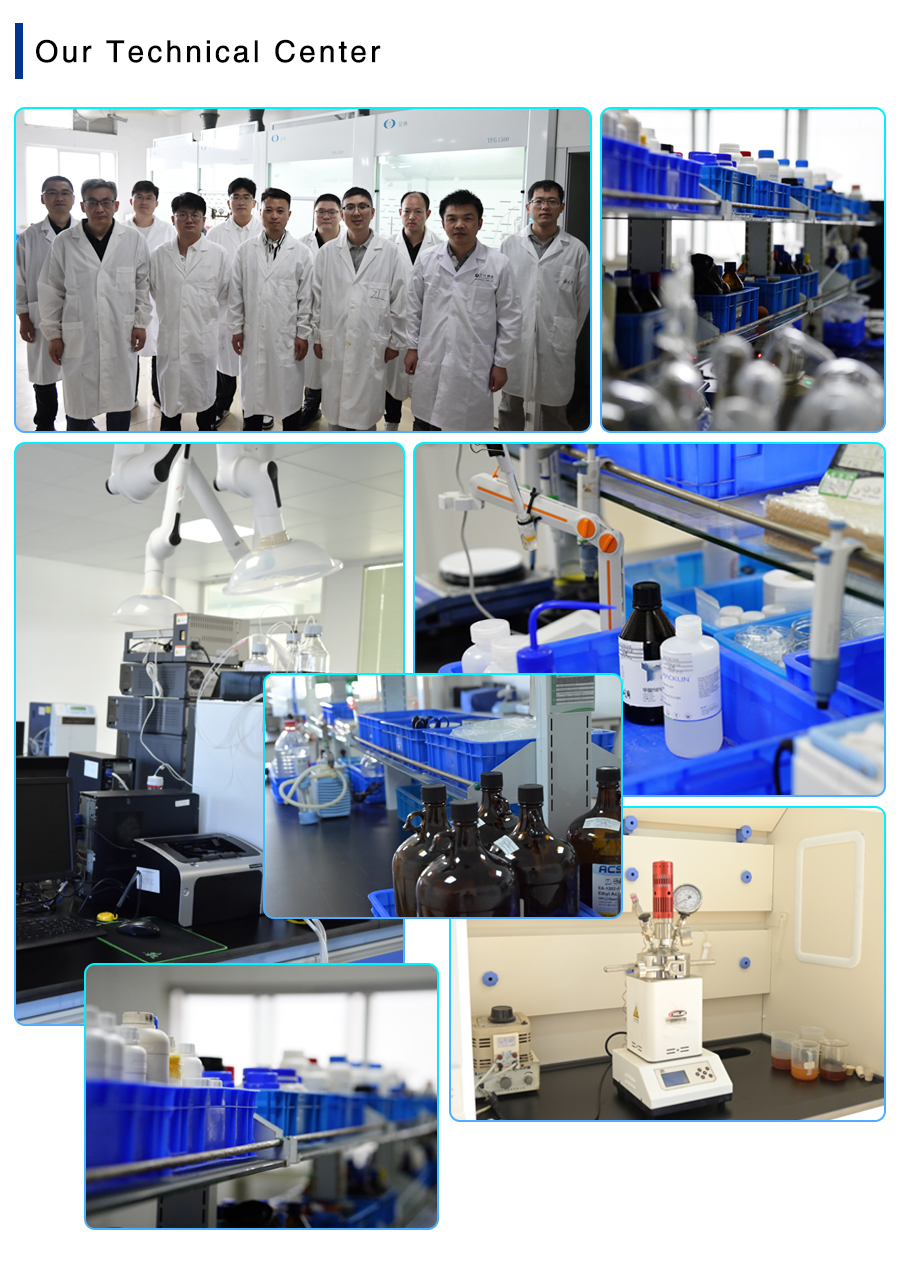
EASTFINE’s process achieves an atom economy of over 90%. Furthermore, we utilize a Closed-Loop Solvent Recovery System for the fractional distillation of CAS 872-53-7. By recycling 98% of our process solvents, we reduce the "Embodied Carbon" of the final product, passing those carbon savings directly to our clients.
Financial ROI—The "Carbon-Adjusted" Price Comparison
In a B2B procurement committee, the CFO needs to see the Total Landed Cost (TLC), including carbon duties.
| Cost Factor | High-Carbon Trader (Default Values) | EASTFINE Direct (Actual Data) |
| Base Price / KG | 100 | 105 |
| Broker/Trader Margin | +15% | 0% |
| CBAM Carbon Penalty | +12% (Default) | +2% (Verified Low) |
| Audit/Compliance Cost | High (Third-party verification) | Zero (Dossier Included) |
| Total Landed Cost | 127 | 107 |
The Conclusion: While the "sticker price" of high-purity material from a direct manufacturer may be slightly higher, the Carbon-Adjusted Price is significantly lower, representing a 15-20% net saving for the B2B buyer.
Technical Appendix—Quality as a Sustainability Driver
Sustainable procurement is not just about carbon; it is about waste reduction. A high-purity intermediate is inherently "greener" because it produces fewer by-products in the client’s plant.
Reduced Downstream Waste
When a client uses EASTFINE’s ≥ 99.0% pure CAS 872-53-7, their own "E-factor" (Environmental Factor) improves.
The Logic:
Lower impurities in the starting material mean fewer "mother liquor" purges and less solvent required for purification in the API plant.
The Result:
For every ton of CAS 872-53-7 sourced from EASTFINE, our clients report a 12% reduction in their own hazardous waste generation.
The Role of "Zero-Defect" Quality
Batch failure is the ultimate environmental disaster. Re-processing a failed 5,000L reactor batch doubles the carbon footprint of that API.
The EASTFINE Assurance:
Our Impurity Fingerprinting ensures that every batch of CAS 872-53-7 is "Right the First Time." This reliability is the most effective sustainability tool in a production director's arsenal.
2026 Global Logistics—Decarbonizing the Last Mile
Carbon emissions don't stop at the factory gate. The transportation of sensitive aldehydes like CAS 872-53-7 across global oceans contributes significantly to the CBAM footprint.
Strategic Warehousing
To reduce the carbon intensity of air-freight and long-haul shipping, EASTFINE has established 2026 Regional Distribution Hubs in Rotterdam, Singapore, and New Jersey.
B2B Benefit:
By shipping in bulk via low-carbon maritime routes to regional hubs, we can offer "Next-Day" delivery to our clients via local electric-vehicle (EV) transport fleets. This "Multi-Modal" strategy slashes the transport-related carbon footprint of CAS 872-53-7 by 40%.
Sustainable Packaging
We have transitioned to Recyclable Fluorinated High-Density Polyethylene (HDPE) and Refurbished Stainless Steel Drums for our 2026 "April Star" shipments.
Circular Economy:
We offer a "Drum Take-Back" program for our Tier-1 partners, ensuring that the packaging for your CAS 872-53-7 never enters a landfill.
Why EASTFINE is the "ESG Partner of Choice"
At EASTFINE Precision Chemistry, we believe that the chemical industry's future is transparent and decarbonized.
Direct Manufacturer Data:
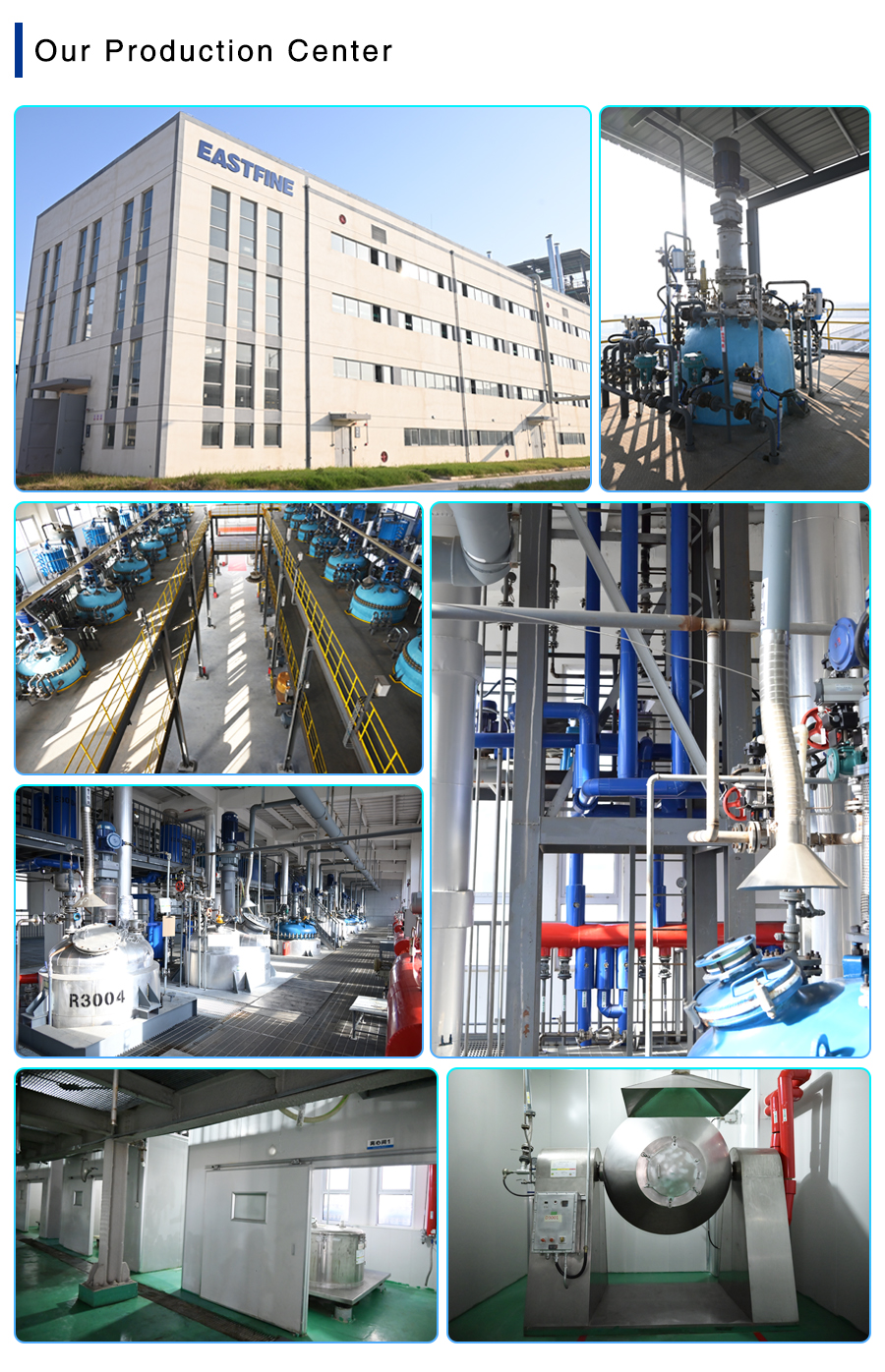
We provide direct access to our energy meters and waste logs for client audits. No hidden sub-suppliers, no "Carbon Washing."
ESG Performance Ratings:
As of 2026, EASTFINE is in the Top 5% of Ecovadis-rated chemical manufacturers in our sector.
The "April Star" ESG Commitment:
For every order of CAS 872-53-7 placed this April, we provide a Carbon Offset Certificate for the remaining transport emissions, allowing you to claim "Carbon Neutral" sourcing for that batch.
Conclusion—Compliance is Your Competitive Edge
The transition to a low-carbon economy is no longer a "future project"—it is the current reality of 2026 procurement. Cyclopentanecarbaldehyde (CAS 872-53-7) is a critical building block, but in the new regulatory era, it must also be a "clean" building block.
By choosing EASTFINE, you are not just buying an intermediate; you are buying an insurance policy against carbon taxes and a roadmap to your company’s sustainability goals. We provide the purity your chemists demand and the carbon data your finance team needs.
De-risk your supply chain. Decarbonize your API.
Contact the EASTFINE Sustainability Liaison today to request our CBAM Compliance Technical Package for CAS 872-53-7 and learn how our "April Star" production can lower your 2026 carbon duties.


 English
 العربية
 Français
 Русский
 Español
 Português
 Deutsch
 italiano
 日本語
日本語 한국어
한국어 Nederlands
 Tiếng Việt
 ไทย
ไทย Polski
 Türkçe
 አማርኛ
አማርኛ ພາສາລາວ
 Bahasa Melayu
 ဗမာစာ
ဗမာစာ Filipino
 Bahasa Indonesia
 magyar
 Română
 Čeština
 қазақ
қазақ Српски
 हिन्दी
 فارسی
فارسی Kiswahili
 Slovenčina
 Slovenščina
 Norsk
Norsk Svenska
 українська
 Ελληνικά
 Suomi
Suomi עברית
עברית Dansk
Dansk اردو
اردو Shqip
Shqip বাংলা
বাংলা Hrvatski
 Gaeilge
 Eesti keel
 Oʻzbekcha
 latviešu
 Azərbaycan dili
 Български
 ქართული
 íslenska
 Lietuvių


 简体中文
简体中文


