Introduction: The Strategic Importance of Advanced Sulfamide Synthons in Crop Protection and Life Sciences
In modern agrochemical innovation and small-molecule pharmaceutical development, introducing specialized sulfur-containing functional groups is a primary strategy for improving biological activity, metabolic stability, and receptor binding kinetics. Among these structural motifs, disubstituted sulfamides serve as critical bioisosteric replacements for traditional amide and carbonyl linkages. By modifying hydrogen-bonding donor-acceptor geometries while imparting higher chemical and enzymatic resistance, sulfamide frameworks allow process chemists to optimize the pharmacokinetic profiles of high-potency active ingredients.
In the commercial synthesis of next-generation crop protection agents—most notably protoporphyrinogen IX oxidase (PPO) inhibiting pyrimidinedione herbicides—and advanced small-molecule therapeutics, establishing a reliable, commercial-scale supply of high-purity sulfamide precursors is an operational priority. The primary building block for these targeted applications, N-Methyl-N-isopropylsulfamoyl amide (CAS No. 372136-76-0), provides a defined N-methyl-N-isopropyl substituted sulfamoyl core. Because assembling this molecule involves specialized chlorosulfonation and controlled amination kinetics under moisture-sensitive conditions, un-integrated supply lines remain vulnerable to batch-to-batch variations, unexpected side-product formation, and scale-up bottlenecks.
For procurement executives, global sourcing managers, and technical leads at active ingredient manufacturing networks, relying on unverified brokers or asset-light formulators introduces severe quality risks. Trace disulfamide impurities, residual inorganic salts, or moisture contamination can degrade downstream reaction yields, poison expensive catalysts, and create costly purification challenges during high-volume synthesis runs. Securing supply continuity demands partnering with a direct manufacturer that maintains strict process monitoring, dedicated synthesis infrastructure, and comprehensive analytical validation.
At EASTFINE, we address these global sourcing and manufacturing requirements by offering commercial-scale production, continuous process control, and rigorous quality assurance for CAS No. 372136-76-0, delivering an exceptionally secure and high-purity intermediate supply to the global life sciences sector.
What is N-Methyl-N-isopropylsulfamoyl amide (CAS No. 372136-76-0)?
N-Methyl-N-isopropylsulfamoyl amide is a functionalized organic sulfamide building block engineered to provide precise steric bulk, lipophilicity, and electronic properties in advanced chemical synthesis. Defined by the molecular formula C4H12N2O2S, its chemical architecture consists of a central sulfamoyl core bonded to a primary amino group on one side and an N-methyl-N-isopropyl substituted nitrogen atom on the other.
The physical and chemical properties of premium-grade CAS No. 372136-76-0 include a molecular weight of 152.22 g/mol, a predicted true density of 1.199 g/cm³, and a predicted boiling point of 238.7°C at standard atmospheric pressure. The compound is isolated as a crystalline solid at room temperature, demonstrating excellent long-term chemical stability when stored under dry, inert conditions.
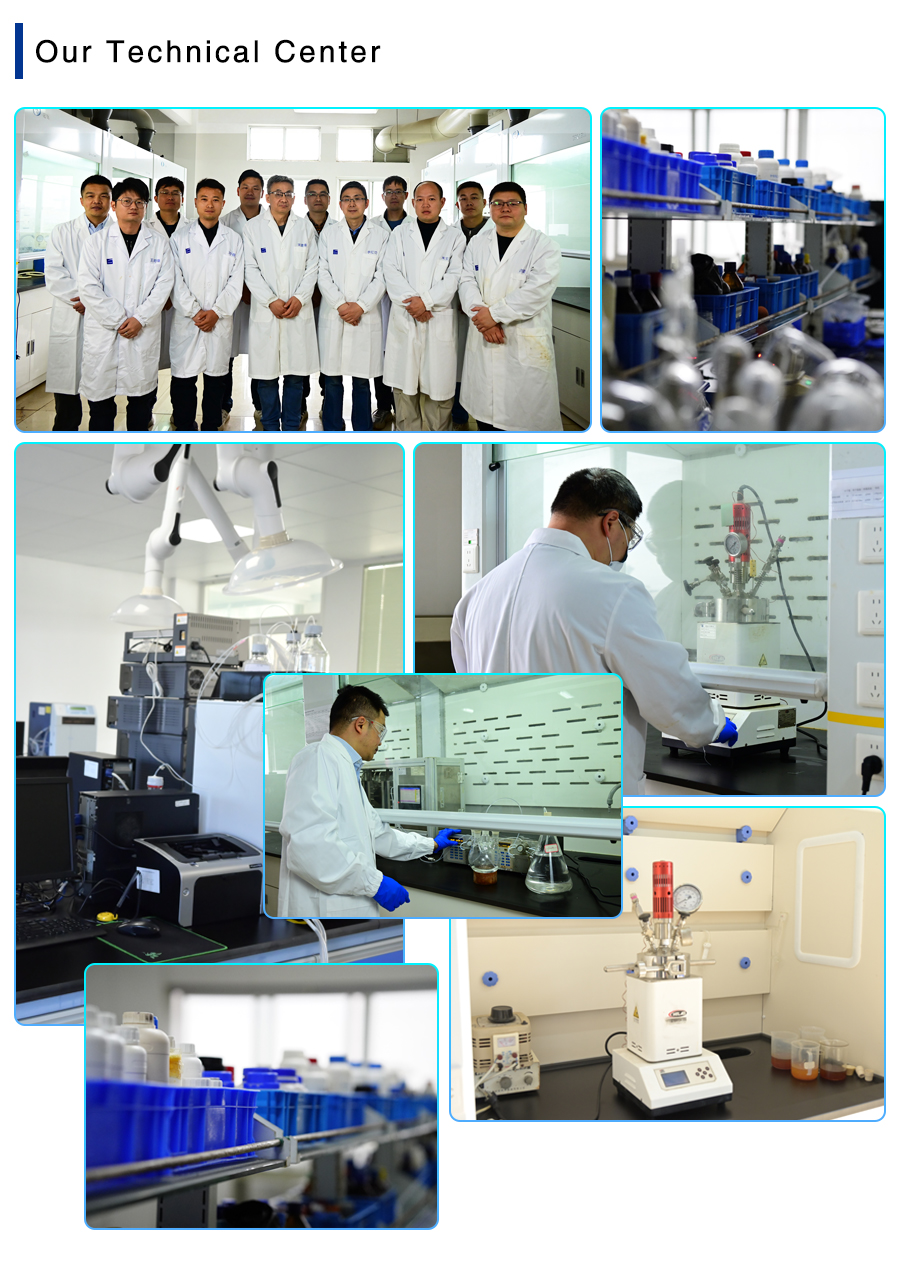
From a synthetic engineering perspective, producing this molecule at high chemical purity requires precise control over the amination of chlorosulfonamide intermediates or the controlled reaction of sulfamoyl chloride with N-methyl-N-isopropylamine. Maintaining sub-zero thermal limits and strictly controlling reagent stoichiometry prevents double-addition side reactions, ensuring a highly consistent crystalline end-product.
Applications of N-Methyl-N-isopropylsulfamoyl amide
The structural resistance, optimized solubility, and clear chemical reactivity of N-Methyl-N-isopropylsulfamoyl amide make it a vital raw material across several advanced commercial synthesis pipelines:
Key Intermediate in Next-Generation Pyrimidinedione Herbicides
The primary high-volume commercial application for this compound is the synthesis of advanced protoporphyrinogen IX oxidase (PPO) inhibiting herbicides, such as Saflufenacil and its structural analogues. The N-methyl-N-isopropylsulfamoyl moiety establishes the critical molecular framework required for potent herbicidal action and target selectivity in modern crop protection formulations.
Bioisosteric Structural Unit for Pharmaceutical Lead Optimization
In small-molecule drug discovery and development, the disubstituted sulfamide core serves as an effective bioisostere for hydrolytically unstable amide linkages. Incorporating this group into candidate molecules improves membrane permeability, boosts metabolic half-life in vivo, and enhances binding interactions within targeted enzyme pockets.
Specialized Building Block for Fine Chemical Custom Synthesis
Beyond primary agrochemical and pharmaceutical pipelines, the intermediate is widely deployed across custom organic synthesis programs to introduce stable, non-nucleophilic sulfamoyl functionalities into complex heterocyclic systems without requiring harsh downstream modification steps.
Advantages of Advanced Sulfamide Intermediate Design
Procuring N-Methyl-N-isopropylsulfamoyl amide from an asset-backed direct manufacturer that utilizes optimized, low-impurity synthetic routes delivers significant technical, financial, and operational advantages:
High Chemical Stability and Superior Metabolic Resistance
Compared to conventional carbonyl-based linkages, the sulfamide group in CAS No. 372136-76-0 exhibits high chemical stability across a broad pH spectrum and strong resistance to enzymatic cleavage, ensuring consistent downstream performance.
Precise Steric and Lipophilic Tuning for Receptor Binding
The combined N-methyl and N-isopropyl substitution pattern introduces tailored steric bulk and favorable lipophilicity. This structural balance enhances the target binding affinity and oral bioavailability of active molecules derived from this intermediate.
Cost Optimization Through High Reaction Yields and Reduced Byproduct Formation
Utilizing high-purity intermediate batches (≥ 99.0%) minimizes side-reactions during downstream coupling steps. Reduced byproduct formation translates into higher overall reaction yields, streamlined purification workflows, and a lower total cost of goods sold.
Synthetic Reaction Chemistry & Impurity Control Dynamics
Achieving high-yield synthesis while maintaining absolute control over intermediate purity requires a thorough understanding of sulfamoyl coupling kinetics and crystallization behavior.
The Challenge of Secondary Amination and Hydrolysis:
The industrial preparation of CAS No. 372136-76-0 typical involves reacting sulfamoyl chloride derivatives with N-methyl-N-isopropylamine in the presence of an acid scavenger. Because sulfamoyl halides are highly reactive and moisture-sensitive, improper atmospheric controls lead to rapid hydrolysis, yielding sulfamic acid salts. Furthermore, imprecise temperature control or local concentration spikes can cause secondary amination, generating symmetrical disulfamide impurities that are difficult to separate during final crystallization.
The Solution of Anhydrous Thermal Control and Selective Crystallization:
Overcoming these synthetic challenges requires executing the amination reaction under closed, strictly anhydrous nitrogen atmospheres within jacketed reactor units. Maintaining sub-zero temperatures during initial reagent addition controls reaction kinetics and suppresses side-product formation. The crude mass then undergoes multi-stage fractional crystallization using specialized organic solvent systems, effectively washing away inorganic chloride salts and unreacted amine precursors to deliver a pure crystalline powder.
By integrating these precise kinetic controls with continuous quality checks, EASTFINE delivers an intermediate that consistently satisfies strict industrial specifications.
Scale-Up Manufacturing Infrastructure & Quality Control Arrays
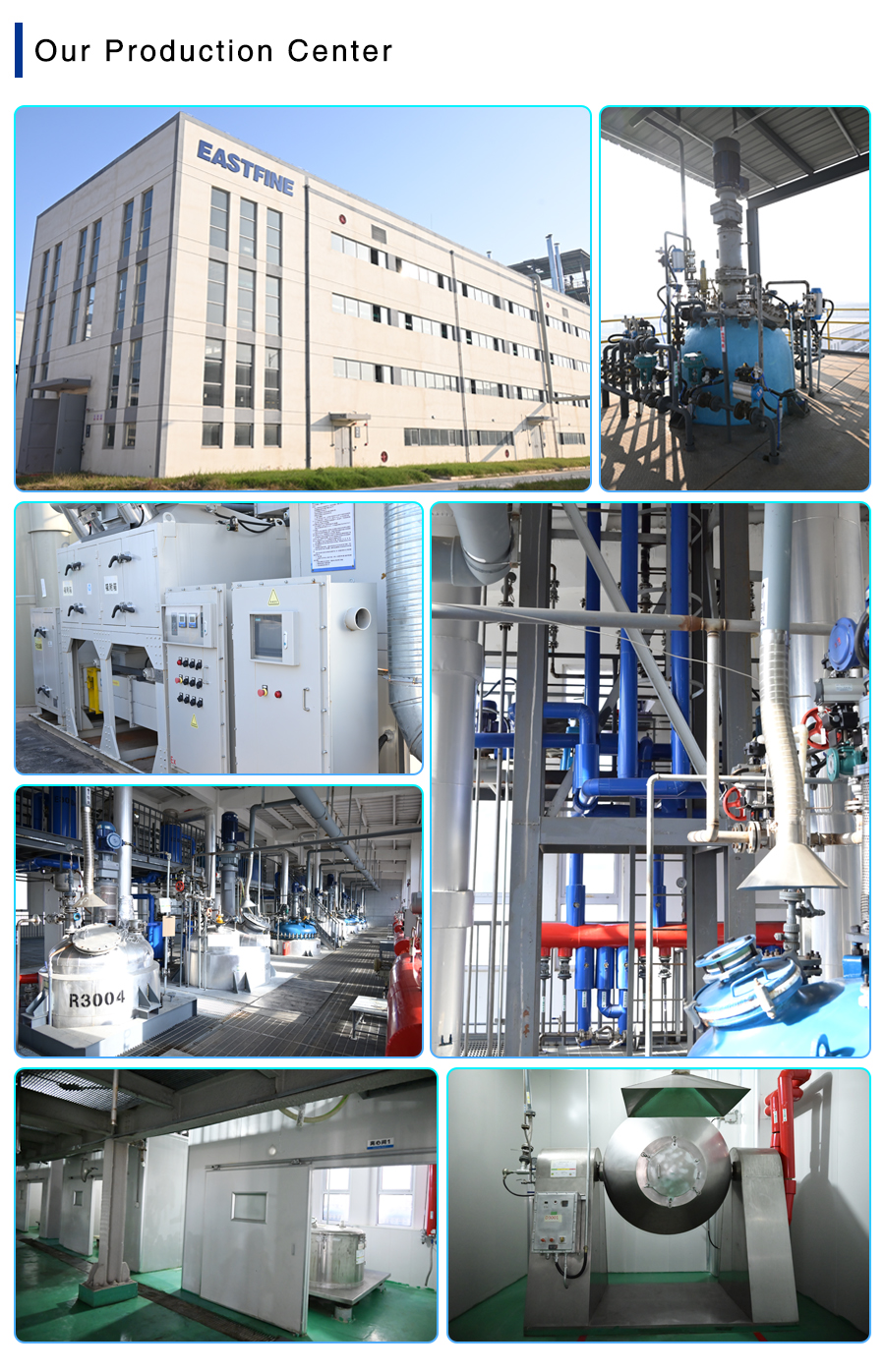
Sustaining multi-ton outputs while maintaining high purity standards relies on an advanced manufacturing setup that integrates automated process control, multi-site operational redundancy, and strict quality assurance:
Scalable Reactor Trains and Automated Process Control
The foundation of EASTFINE’s manufacturing consistency is anchored in our modernized chemical processing infrastructure.
Precision Jacketed Reactor Engineering for Exothermic Control
Our manufacturing facilities deploy specialized, highly responsive jacketed glass-lined and stainless-steel reactor arrays. These systems maintain tight temperature control across large-scale exothermic amination runs, ensuring uniform heat transfer and preventing localized thermal spikes.
Automated In-Line Analytical Monitoring Arrays
To track reaction progress in real time, our production lines utilize inline process analytical technology. Continuous monitoring tracks reagent conversion and byproduct formation, ensuring that the amination step reaches completion before moving to phase separation and isolation.
Dual-Site Production Redundancy and Capacity Scalability
Fulfilling global commercial contracts requires substantial, flexible production capacity backed by redundant manufacturing assets.
Mirrored Manufacturing Operations Across Dalian and Heze Facilities
EASTFINE operates two fully mirrored, large-scale production complexes in Dalian and Heze. Both sites feature identical reactor geometries, automated process controls, and analytical facilities, allowing our operations to scale or shift production runs seamlessly between plants to satisfy customer schedules without delay.
Rigorous Batch-to-Batch Traceability Protocols
Every commercial lot of CAS No. 372136-76-0 is produced under a unified quality management system. Complete electronic batch records track raw material lots, reaction parameters, and analytical testing data, ensuring full traceability to support vendor qualification and quality audits.
Handling, Packaging, and Post-Production Logistics
Following automated purification and final quality validation, the crystalline product is packed and distributed using protective handling and logistics protocols:
Moisture-Proof UN-Rated Commercial Packaging
To protect the dry crystalline solid from atmospheric moisture absorption and physical degradation during transit, the intermediate is packed into heavy-duty, UN-rated commercial drums. The inner packaging consists of double-layer anti-static polyethylene liners sealed with serialized, tamper-evident closures.
Controlled Storage and Incompatibility Management
The intermediate is stored in dedicated, climate-controlled warehouse spaces at recommended temperatures (15-25℃). Products are isolated from strong oxidizing agents, strong bases, and reactive metals to guarantee long-term stability and prevent hazardous degradation.
Comprehensive Digital Logistics and Regulatory Dossiers
Every commercial shipment is accompanied by a full analytical documentation package, including the Certificate of Analysis (CoA), high-resolution gas chromatography (GC) profiles, moisture assays, and GHS-compliant Safety Data Sheets (SDS), ensuring fast customs clearance and straightforward material intake.
Comprehensive Intermediate Technical and Supply Profile
To assist procurement teams, process development chemists, and supply chain managers during technical qualification and vendor evaluations, our divisions maintain a standardized operational profile for our intermediate.
| Technical Parameter | Industry Standard Specification | EASTFINE Commercial Platform | Direct Manufacturing Impact |
| Chemical Purity (GC/HPLC) | ≥ 98.0% | ≥ 99.0% | Higher reaction yields and fewer downstream purification steps. |
| Moisture Content (Karl Fischer) | ≤ 0.50% | ≤ 0.20% | Prevents moisture-induced hydrolysis in downstream coupling. |
| Inorganic Chloride Content | Variable trace levels | ≤ 0.10% | Protects sensitive catalysts from halide poisoning. |
| Supply Redundancy | Single-site sourcing | Mirrored dual-site facilities (Dalian & Heze) | Protects supply continuity against localized plant disruptions. |
Why Choose EASTFINE? Your Partner for Secure Commercial Scale-Up
When an advanced crop-protection or pharmaceutical molecule transitions from initial laboratory development into multi-ton commercial production, selecting a technically capable and logistically secure chemical partner is essential. Established in 1995, EASTFINE is a leading global direct manufacturer of premium N-Methyl-N-isopropylsulfamoyl amide.

Technical Innovation Anchored by Doctoral R&D Teams
Our chemical manufacturing lines and high-precision analytical protocols are designed and continuously optimized by a corporate R&D department led by process chemists holding doctoral degrees. This technical leadership has successfully secured 19 invention patents and 8 utility model patents focused on high-selectivity synthesis, smart inline monitoring integration, and advanced purification chemistry. By optimizing our core processing, we deliver an intermediate that helps downstream partners minimize analytical variations and maximize manufacturing efficiency.
Dual-Site Production Redundancy and Supply Security (Dalian & Heze)
In today's complex international regulatory and environmental landscape, supply chain redundancy is an absolute requirement for long-term planning. EASTFINE operates two fully mirrored, large-scale manufacturing complexes in Dalian and Heze. This dual-site setup guarantees an uninterrupted supply of high-purity intermediates; if one plant undergoes a scheduled environmental audit or local maintenance cycle, the sister facility can expand its output to seamlessly fulfill long-term commercial contracts.
Complete Analytical Validation and Traceability Dossiers
Navigating strict international registration pathways requires absolute data transparency and robust analytical backing. EASTFINE accompanies every batch of CAS No. 372136-76-0 with a comprehensive analytical package, including high-resolution gas chromatography (GC) charts, precise melting point verifications, and detailed moisture measurements. Our rigorous quality control simplifies your raw material validation workflows, providing a clear auditing trail for global regulatory bodies.
Conclusion: Securing Chemical Synthesis Through Advanced Sulfamide Manufacturing
Achieving high active-ingredient output and consistent batch quality during commercial manufacturing requires absolute control over reaction parameters, purification protocols, and supply chain security. Relying on unverified brokers, variable intermediate purity, or single-site suppliers when sourcing N-Methyl-N-isopropylsulfamoyl amide (CAS No. 372136-76-0) can lead to lower reaction yields, unexpected quality issues, and costly production delays.
Partnering with EASTFINE provides your process development, procurement, and operations teams with an analytically verified, commercially secure intermediate supply. Backed by thirty years of direct manufacturing experience, proprietary process patents, and a dual-site production model, EASTFINE enables you to build efficient, compliant, and cost-effective chemical manufacturing pipelines.


 English
 العربية
 Français
 Русский
 Español
 Português
 Deutsch
 italiano
 日本語
日本語 한국어
한국어 Nederlands
 Tiếng Việt
 ไทย
ไทย Polski
 Türkçe
 አማርኛ
አማርኛ ພາສາລາວ
 Bahasa Melayu
 ဗမာစာ
ဗမာစာ Filipino
 Bahasa Indonesia
 magyar
 Română
 Čeština
 қазақ
қазақ Српски
 हिन्दी
 فارسی
فارسی Kiswahili
 Slovenčina
 Slovenščina
 Norsk
Norsk Svenska
 українська
 Ελληνικά
 Suomi
Suomi עברית
עברית Dansk
Dansk اردو
اردو Shqip
Shqip বাংলা
বাংলা Hrvatski
 Gaeilge
 Eesti keel
 Oʻzbekcha
 latviešu
 Azərbaycan dili
 Български
 ქართული
 íslenska
 Lietuvių


 简体中文
简体中文


