The 2026 Safety Mandate for Bicalutamide Intermediates
In the pharmaceutical manufacturing landscape of 2026, CAS 90356-78-8 (widely known as Bicalutamide Sulfide) has become a focal point for regulatory safety audits. As a primary intermediate for high-potency anti-androgen drugs used in the treatment of prostate cancer, its molecular design is intended to block hormone receptors with extreme precision. However, this biological efficacy does not wait for the final API stage; the intermediate itself possesses significant bioactivity.
As of early 2026, global health and safety organizations have reclassified this trifluoromethylated amide. It is no longer treated as a standard fine chemical but as a High-Potency Active Pharmaceutical Ingredient (HPAPI) intermediate. This designation triggers a cascade of required safety protocols, ranging from closed-loop containment to specialized medical surveillance for all personnel involved in its handling. At EASTFINE, we believe that transparency regarding these risks is the only way to ensure the long-term viability of the pharmaceutical supply chain.
Product Insights: The Chemical Intelligence
What is this Molecule?
Technically defined as a substituted propionamide with the formula C18H14F4N2O2S, this compound is a white to off-white crystalline solid. Its structure is a masterpiece of medicinal chemistry, featuring:
A Cyano-substituted aromatic ring:
Enhancing binding affinity.
A Trifluoromethyl (CF3) group:
Providing metabolic stability and increasing lipophilicity.
A Thioether (Sulfide) linkage:
The reactive bridge that must be preserved until the final oxidation step.
In the 2026 industrial workflow, maintaining the purity of this crystalline lattice is essential, but it is the physical state of the product—fine micronized powder—that presents the greatest inhalation risk to operators.
Primary Hazards and Systemic Risks
The safety profile of CAS 90356-78-8 is dominated by its Endocrine Disrupting Properties.
Reproductive Toxicity (Category 1B):
There is a presumed risk of causing developmental defects in humans. Occupational exposure limits (OEL) for this compound are exceptionally low (often in the microgram-per-cubic-meter range).
Organ-Specific Toxicity:
Cumulative exposure can result in hepatic (liver) stress, as the body attempts to metabolize the highly stable fluorinated rings.
Environmental Impact:
Because C-F bonds are virtually non-biodegradable, any accidental release of CAS 90356-78-8 into wastewater constitutes a "Forever Chemical" contamination risk, necessitating specialized 2026-grade filtration systems.
Biomechanics of Absorption: The Lipophilic Trap
The presence of the CF3 group makes the molecule "greasy" at a molecular level. In 2026, we categorize this as a Lipophilic Trap. If the powder comes into contact with the skin, it does not simply sit on the surface; it dissolves into the skin's lipid layers. This creates a "reservoir effect" where the chemical is slowly absorbed into the bloodstream over several hours, even if the person washes their hands later. This biomechanical pathway makes the use of appropriate barrier creams and specialized gloves non-negotiable.
Advanced Containment Protocols
Safety in 2026 is no longer about "Personal Responsibility"; it is about Engineering Exclusion. At EASTFINE, we advocate for a multi-tiered defense strategy.
Engineering Controls (The First Line of Defense)
The most effective way to handle CAS 90356-78-8 is to never "see" it.
Isolator Technology:
For quantities exceeding 1kg, handling should occur within a negative-pressure glove box or an isolator. These units ensure that the internal atmosphere is completely separate from the laboratory air.
Continuous Flow Synthesis:
EASTFINE’s 2026 manufacturing uses continuous flow reactors. This minimizes the "Hold-up Volume"—the amount of hazardous material present at any one time—reducing the potential impact of a seal failure.
Dust Collection:
High-Efficiency Particulate Air (HEPA) filters must be used in a double-series configuration (H14 grade). These filters must be replaced using a "Bag-In/Bag-Out" (BIBO) procedure to prevent the release of captured toxic dust during maintenance.
Personal Protective Equipment (PPE) 2026 Standards
When engineering controls must be breached (e.g., during equipment cleaning), PPE is the last line of defense.
The "Double-Glove" Mandate:
Operators must wear an inner layer of nitrile (0.11 mm) and an outer layer of chemically resistant laminate (e.g., North Silver Shield). Laminate gloves provide the breakthrough resistance that standard nitrile lacks against fluorinated aromatics.
Powered Air-Purifying Respirators (PAPR):
For high-risk tasks, a PAPR with a full facepiece and P100 filters provides a cooling airflow while ensuring a protection factor far superior to disposable N95 masks.
Electrostatic Discharge (ESD) Protection:
Since CAS 90356-78-8 is a combustible dust, all PPE—including boots and coveralls—must be anti-static to prevent ignition during charging.
Decontamination & Medical Oversight
Wet-Cleaning Protocol:
In 2026, dry sweeping is a violation of industrial safety. All surfaces must be cleaned using a specialized "Wet-Wipe" method with a solvent that effectively solubilizes the sulfide (such as a diluted alcohol/detergent mix).
Waste Management:
All contaminated PPE and cleaning materials must be treated as Hazardous Pharmaceutical Waste. These are stored in UN-approved 1H2 open-head plastic drums for high-temperature incineration (>1100°C) to ensure the total destruction of the fluorinated compounds.
Medical Surveillance:
We recommend that all staff handling this compound undergo annual baseline blood chemistry tests, specifically focused on liver enzyme levels and hormonal balance, to detect sub-clinical exposure before symptoms manifest.
Safety & Physical Specification Summary
| Category | Specification / 2026 Requirement |
| GHS Signal Word | DANGER |
| OEL (Occupational Exposure Limit) | Estimated < 5 mug/m^3 (TWA) |
| Melting Point | 109°C – 111°C |
| Solubility | Soluble in Methanol, Acetone, and DMSO; Insoluble in Water |
| Storage Temperature | 2°C – 8°C (Requires explosion-proof refrigeration) |
| Log P | High (Highly Lipophilic) |
| Waste Class | Class 6.1 (Toxic Substances) |
Advantages of EASTFINE: Your Partner in High-Potency Safety
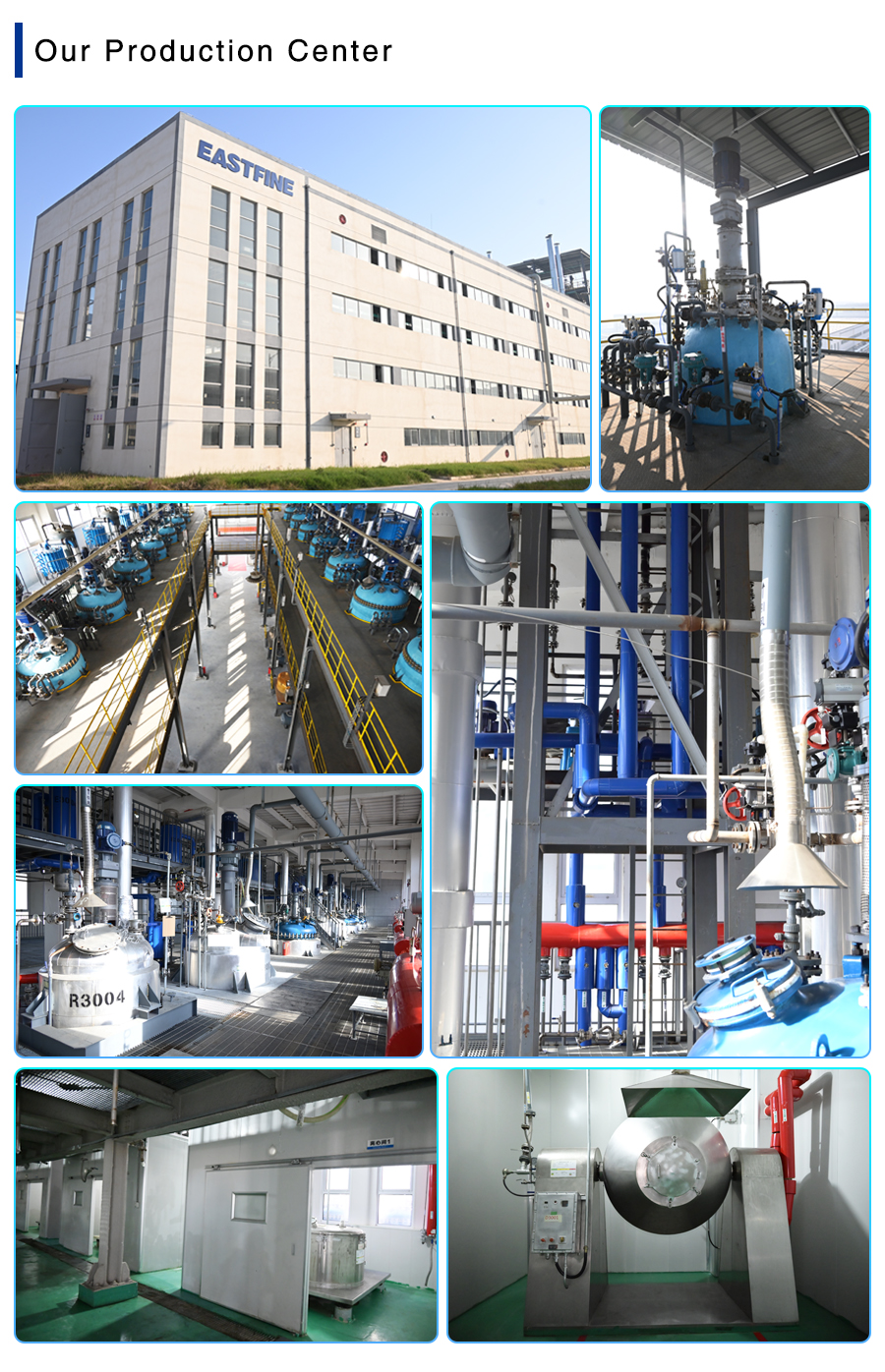
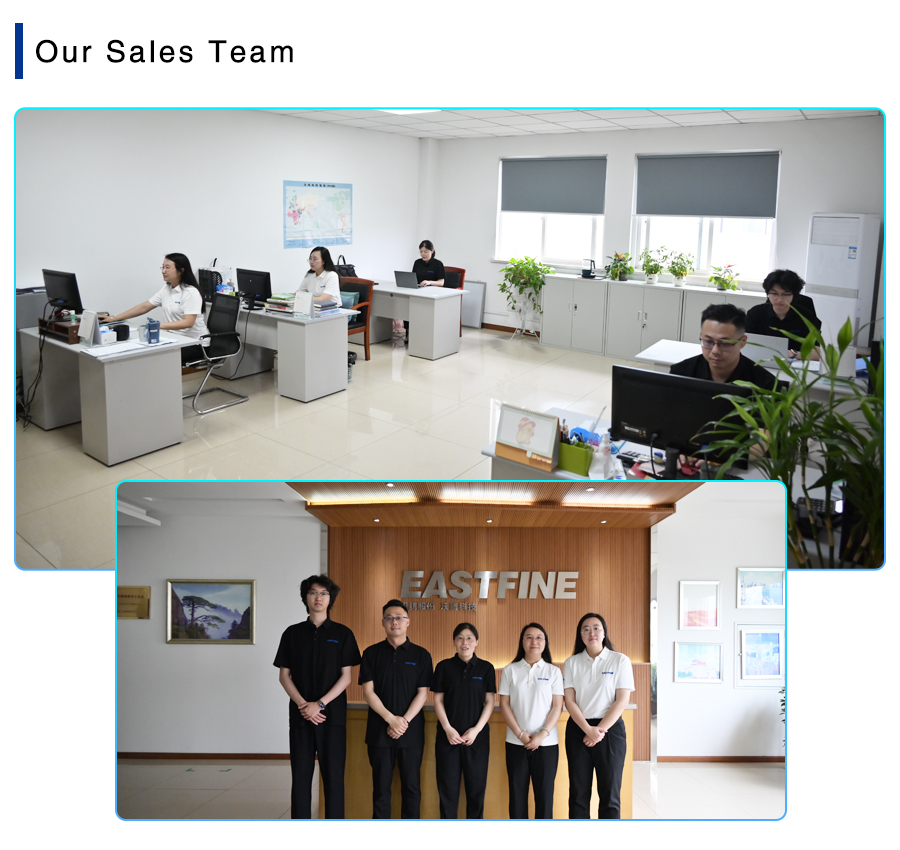
In the precision-driven chemical market of 2026, a manufacturer's safety culture is as important as their chemical yield. EASTFINE Precision Chemistry is a leader in the pharmaceutical and agrochem intermediate space, specifically regarding the safe handling of trifluoromethylated amides like CAS 90356-78-8.
Superior Purity as a Safety Barrier:
Impurities in CAS 90356-78-8 are often more toxic than the compound itself. By utilizing our proprietary 2026 synthesis route, we deliver a product with > 99.0% purity, ensuring your safety assessments are based on a known, stable entity.
Smart Packaging Solutions:
We ship CAS 90356-78-8 in specialized "Vapor-Lock" containers. These are designed to be hooked directly to automated charging systems (Direct-to-Reactor), eliminating the need for manual scooping and the associated dust risks.
Regulatory Transparency & Documentation:
EASTFINE provides 2026-compliant Safety Data Sheets (SDS) that include the latest reproductive toxicity data. We also provide a "Handling Guide" specifically for your HSE (Health, Safety, and Environment) department.
Collaborative Technical Support:
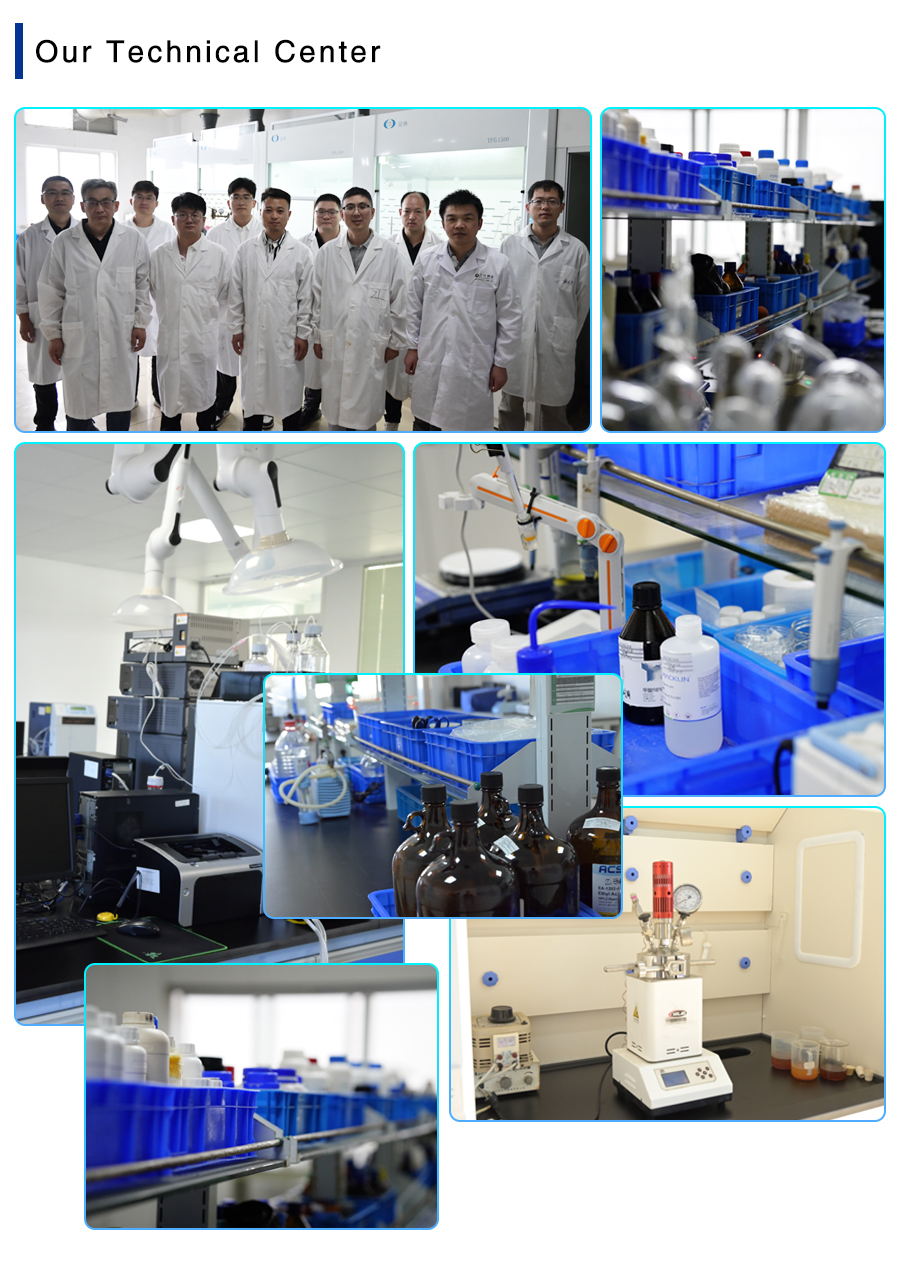
Our chemical engineers are available to consult with your facility managers on how to integrate our intermediates into your specific containment systems, ensuring a seamless and safe transition from delivery to reaction.
Conclusion
CAS 90356-78-8 is an indispensable tool in the fight against cancer, but it requires a "Safety First" mindset. In 2026, professional manufacturing means respecting the biological potency of every intermediate. By adhering to the rigorous containment protocols outlined here and sourcing your material from a safety-conscious partner like EASTFINE, you protect your people, your facility, and the patients who rely on the final medicine.


 English
 العربية
 Français
 Русский
 Español
 Português
 Deutsch
 italiano
 日本語
日本語 한국어
한국어 Nederlands
 Tiếng Việt
 ไทย
ไทย Polski
 Türkçe
 አማርኛ
አማርኛ ພາສາລາວ
 Bahasa Melayu
 ဗမာစာ
ဗမာစာ Filipino
 Bahasa Indonesia
 magyar
 Română
 Čeština
 қазақ
қазақ Српски
 हिन्दी
 فارسی
فارسی Kiswahili
 Slovenčina
 Slovenščina
 Norsk
Norsk Svenska
 українська
 Ελληνικά
 Suomi
Suomi עברית
עברית Dansk
Dansk اردو
اردو Shqip
Shqip বাংলা
বাংলা Hrvatski
 Gaeilge
 Eesti keel
 Oʻzbekcha
 latviešu
 Azərbaycan dili
 Български
 ქართული
 íslenska
 Lietuvių


 简体中文
简体中文


