You are here: Home » Blog » Navigating the Four-Membered Ring: Frequently Asked Questions About Cyclobutanone (CAS 1191-95-3)
Navigating the Four-Membered Ring: Frequently Asked Questions About Cyclobutanone (CAS 1191-95-3)
Views: 0 Author: Site Editor Publish Time: 2026-03-13 Origin: Site
The 2026 Guide to a Small Molecule with Big Impact
In the world of precision chemistry, size isn't everything. Cyclobutanone (CAS 1191-95-3) is a compact four-membered cyclic ketone that punches far above its weight class. Because of its intense ring strain, it acts as a high-energy "spring," ready to participate in reactions that larger, more stable ketones simply cannot handle.
In 2026, as we push the boundaries of pharmaceutical synthesis and material science, the questions surrounding this molecule have become increasingly technical. Below, we address the most common inquiries our technical team at EASTFINE receives about this versatile intermediate.
Frequently Asked Questions (FAQ)
1. What makes Cyclobutanone so much more reactive than Cyclopentanone?
The answer lies in Ring Strain. In a typical tetrahedral carbon, the ideal bond angle is 109.5°. In the four-membered ring of cyclobutanone, the internal angles are forced to approximately 90°. This creates significant "angle strain" and "eclipsing strain."
In 2026, we utilize this strain to drive reactions that would otherwise be thermodynamically unfavorable. When the ring opens or expands during a reaction, this stored energy is released, acting as a powerful kinetic "booster" for the synthesis of complex molecules like fused bicyclic systems.
2. What are the primary 2026 applications for CAS 1191-95-3?
Pharmaceutical Intermediates:
It is a vital building block for carbocyclic nucleosides (antiviral agents) and protease inhibitors.
β-Lactamase Inhibitors:
Because the cyclobutanone ring is isosteric with the β-lactam ring, it is used to develop inhibitors that combat bacterial resistance to antibiotics.
Agrochemicals:
Used in the synthesis of advanced pyrethroid insecticides like Cyfluthrin.
Photochemical Research:
Due to its unique "predissociation threshold," it is a model compound for studying light-induced ring-cleavage reactions.
3. How is Cyclobutanone synthesized on an industrial scale?
While early methods (like the Kischner process) were inefficient, EASTFINE utilizes modern, high-yield routes:
Oxidation of Cyclobutanol:
A clean catalytic process.
Ring Expansion of Cyclopropanone:
Reacting ketene with diazomethane—a method that requires extreme precision and safety controls.
Decarboxylation:
Thermal decarboxylation of cyclobutanecarboxylic acid.
4. Is Cyclobutanone stable during storage?
Yes, but it requires specific conditions. In 2026, we stabilize our product with trace amounts of BHT (Butylated Hydroxytoluene) to prevent oxidative degradation. It should be stored in a cool, dry place, ideally between 0°C and 6°C} (refrigerated), to maintain its > 99% purity.
2026 Safety & Handling Protocols
Handling a high-strain, flammable liquid requires more than just standard caution. Here are the 2026 safety mandates for CAS 1191-95-3.
5. What are the primary GHS hazards?
Flammability (Category 2):
Highly flammable liquid and vapor (H225). Its flash point is approximately 10°C (50°F).
Irritation (Category 2A):
Causes serious eye irritation (H319) and skin irritation (H315).
Toxicity:
Harmful if swallowed or inhaled. In high concentrations, vapors can cause dizziness or nausea.
6. What PPE is required in a 2026 laboratory setting?
Eye Protection:
Chemical splash goggles or a full-face shield.
Hand Protection:
Nitrile gloves are acceptable for incidental contact, but for bulk handling, Butyl Rubber is preferred due to the ketone's ability to penetrate thinner materials.
Engineering:
Always handle under a certified fume hood. Static discharge is a major risk; ensure all metal containers are grounded and bonded during transfer.
Technical Specifications Summary
Property
Value / Requirement
CAS Number
1191-95-3
Molecular Formula
C4H6O
Boiling Point
99 °C
Melting Point
-51 °C
Density
0.938 g/cm^3
Flash Point
10 °C (50 °F)
Solubility
Insoluble in Water; Soluble in THF, Ethanol, Ether
Why Choose EASTFINE for Your Cyclobutanone Needs?
As a premier pharmaceutical and agrochemical intermediate company, EASTFINE Precision Chemistry has been a global leader since 1995. When you source CAS 1191-95-3 from us, you aren't just buying a chemical; you are securing a legacy of excellence.
Purity You Can Trust:
Our 2026 synthesis protocols consistently deliver >99% purity, verified by GC-MS and NMR for every batch.
Global Reach:
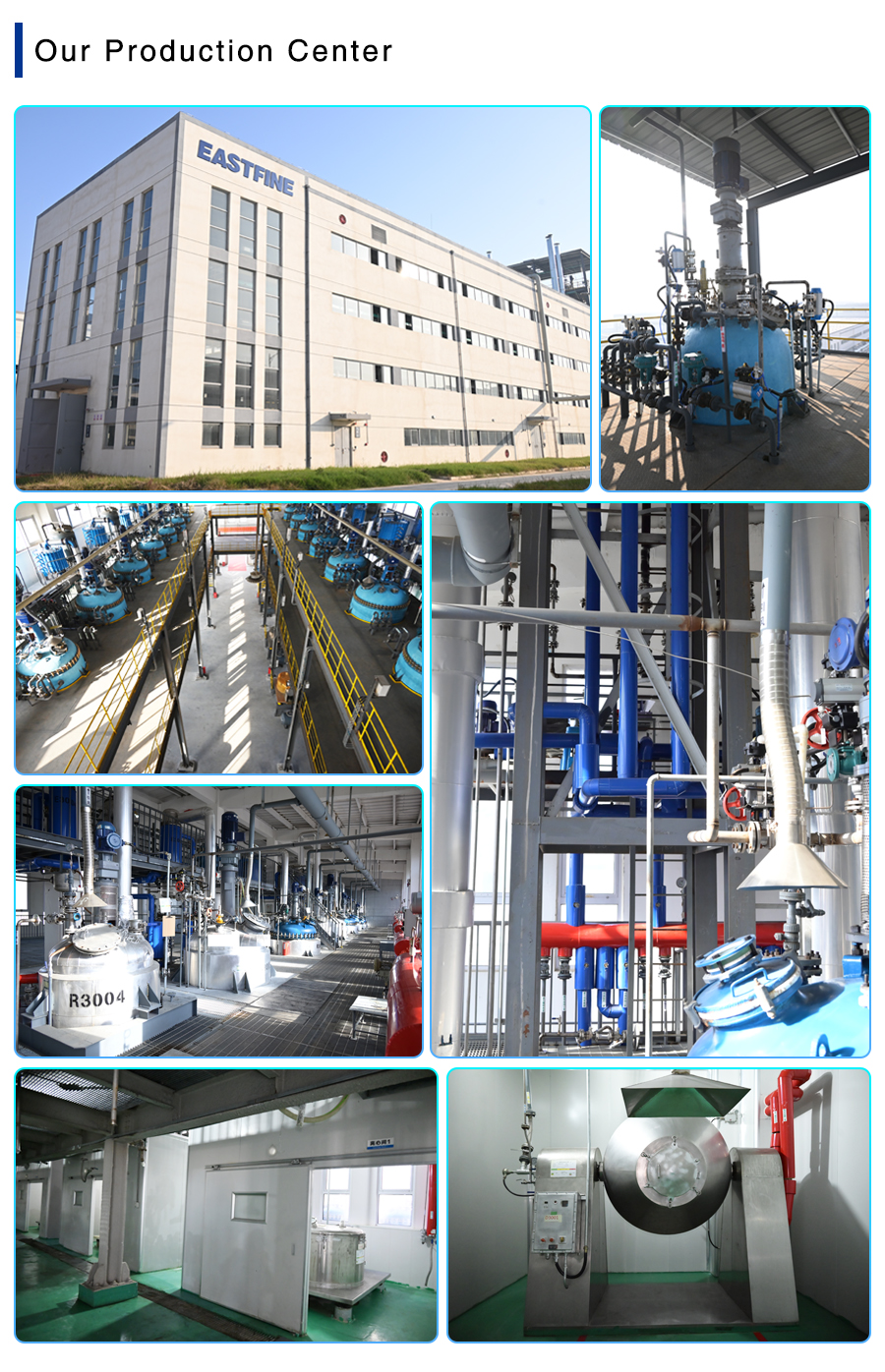
From our state-of-the-art production base, we supply innovators in Asia, Europe, and the Americas with flexible packaging options (from 25kg barrels to custom sizes).
Technical Partnership:
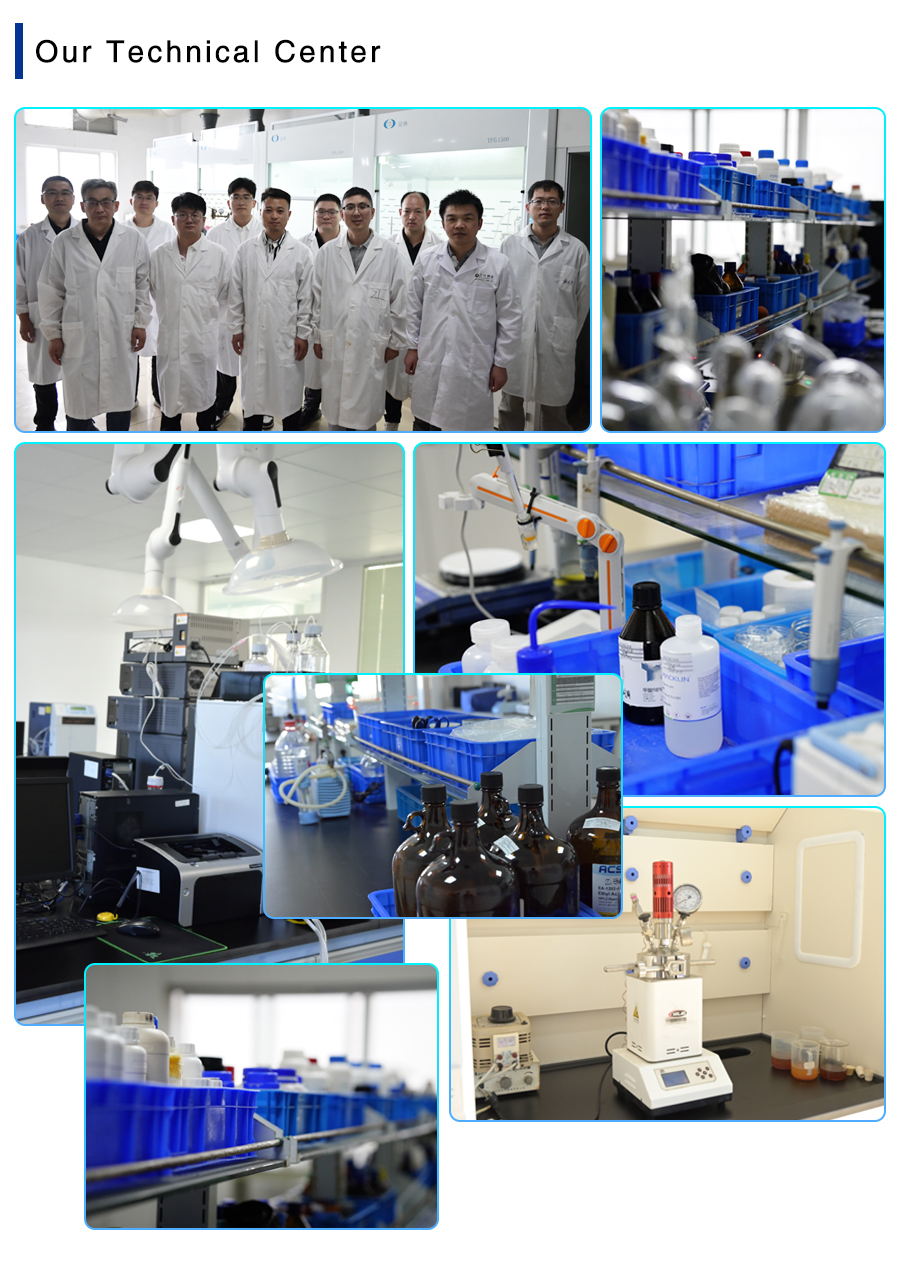
Our team of PhD chemists is available to help you navigate the "Ring Strain" challenges of your specific synthesis, ensuring your project moves from the lab to the market without delay.
Commitment to Safety:
We provide full MSDS documentation and specialized logistics to ensure that this flammable, high-energy liquid reaches your facility in perfect condition.
Conclusion
Cyclobutanone is the key that unlocks some of the most complex architectures in modern organic chemistry. By understanding its unique FAQ and adhering to the 2026 safety standards, you can harness its power for your next breakthrough. At EASTFINE, we are proud to be the foundation of your innovation.


 English
 العربية
 Français
 Русский
 Español
 Português
 Deutsch
 italiano
 日本語
日本語 한국어
한국어 Nederlands
 Tiếng Việt
 ไทย
ไทย Polski
 Türkçe
 አማርኛ
አማርኛ ພາສາລາວ
 Bahasa Melayu
 ဗမာစာ
ဗမာစာ Filipino
 Bahasa Indonesia
 magyar
 Română
 Čeština
 қазақ
қазақ Српски
 हिन्दी
 فارسی
فارسی Kiswahili
 Slovenčina
 Slovenščina
 Norsk
Norsk Svenska
 українська
 Ελληνικά
 Suomi
Suomi עברית
עברית Dansk
Dansk اردو
اردو Shqip
Shqip বাংলা
বাংলা Hrvatski
 Gaeilge
 Eesti keel
 Oʻzbekcha
 latviešu
 Azərbaycan dili
 Български
 ქართული
 íslenska
 Lietuvių


 简体中文
简体中文