Executive Procurement Perspective
In modern life sciences and fine chemical manufacturing, managing intermediate raw material supply chains requires a shift from simple unit-price purchasing to total risk mitigation. Sourcing managers and procurement directors face volatile global logistics, shifting environmental compliance mandates, and stringent purity expectations from regulatory bodies.
(Bromomethyl)cyclopropane (CAS No. 7051-34-5)—frequently referred to as BMCP—is a key building block used to introduce the cyclopropylmethyl functionality into active pharmaceutical ingredients (APIs) and advanced crop protection agents. Because of its specific reactivity and potential for thermodynamic rearrangement, sourcing high-purity BMCP at commercial scale demands an asset-heavy primary manufacturing partner equipped with advanced process control.
Technical Risk Evaluation in Sourcing BMCP
Securing a stable, high-yield manufacturing process for downstream APIs requires understanding the chemical vulnerabilities of raw materials. When sourcing (Bromomethyl)cyclopropane, procurement teams must account for three primary technical risks:
Thermodynamic Isomerization (4-Bromo-1-butene Formation)
Under thermal stress or acidic conditions, the strained three-membered cyclop`ropyl ring in BMCP can undergo homoallylic rearrangement into 4-Bromo-1-butene.
The Downstream Impact:
4-Bromo-1-butene acts as a competing alkylating agent during synthesis. If present in high concentrations, it forms permanent, structurally similar impurities in the final API, requiring expensive re-crystallization or column purification steps.
The Control Requirement:
Primary manufacturers must enforce strict reaction temperature controls and limit 4-Bromo-1-butene content to equal to or less than 0.30% in the raw material spec.
Autocatalytic Hydrolysis and Free Acid Generation
Exposure to ambient air or trace moisture triggers nucleophilic substitution, yielding cyclopropanemethanol and liberating free hydrobromic acid (HBr).
The Downstream Impact:
Free HBr acts as an autocatalytic driver, accelerating container corrosion, contaminating processing vessels, and promoting further ring-opening isomer degradation during extended storage.
The Control Requirement:
Sourcing specifications must enforce a moisture limit equal to or less than 0.10% (1000 ppm) via Karl Fischer titration and free acid content equal to or less than 0.05%.
Photo-Oxidative Degradation
Exposure to light accelerates carbon-bromine bond cleavage, generating free radicals that lead to color shifts (from clear liquid to dark amber) and oligomeric residue buildup.
The Control Requirement:
Product must be isolated under inert gas blankets and packed in UV-blocking, light-shielded containers.
Evaluating Supplier Assets: Middlemen vs. Direct Manufacturers
Enterprise procurement teams auditing supply chains for CAS No. 7051-34-5 must distinguish between virtual trading companies and primary manufacturing assets.
Trading Intermediaries & Spot Brokers
Lot Blending Risk:
Trading houses often consolidate partial lots from multiple small-scale producers to meet large order volumes. This creates batch-to-batch inconsistency in purity profiles, physical properties, and trace impurity limits.
Audit & Traceability Gaps:
Secondary brokers rarely maintain analytical laboratories or physical manufacturing sites, making root-cause investigations into out-of-specification (OOS) batches difficult and slow.
Regulatory Vulnerability:
Unverified sub-tier producers operating without compliant waste treatment infrastructure face sudden environmental shutdowns, disrupting campaign timelines.
Asset-Heavy Primary Manufacturers
Direct Process Control:
Primary producers own their reaction suites, continuous distillation units, and analytical testing facilities, ensuring batch-to-batch consistency.
Transparent Pricing:
Bypassing broker markups delivers direct factory pricing and contract price stability over long-term supply agreements.
Audit-Ready Operations:
Direct manufacturers welcome customer quality audits, offering full access to process validation data, safety documentation, and environmental compliance records.
Enterprise Quality Control Specification Matrix
To guarantee raw material suitability for regulated API or agrochemical production, procurement suites should enforce the following analytical parameters prior to batch release:
| Parameter | Commercial Quality Specification | Primary Testing Method | Purpose of Specification |
| Appearance | Clear, colorless to light yellow liquid | Visual Inspection | Verifies absence of heavy oligomers or oxidative degradation |
| GC Purity Assay | Equal to or greater than 99.0% | Capillary GC-FID | Guarantees target reagent concentration |
| 4-Bromo-1-butene | Equal to or less than 0.30% | Capillary GC-FID | Prevents parallel ring-opened alkylation side-reactions |
| Single Unknown Impurity | Equal to or less than 0.10% | Capillary GC-FID | Maintains compliance with raw material regulatory limits |
| Moisture Content | Equal to or less than 0.10% (1000 ppm) | Coulometric Karl Fischer | Prevents hydrolysis and HBr generation in storage |
| Free Acid (as HBr) | Equal to or less than 0.05% | Potentiometric Titration | Protects against container degradation and autocatalysis |
| Identity Verification | Conforms to standard spectrum | 1H-NMR / 13C-NMR / FTIR | Confirms core cyclopropylmethyl structure |
The EASTFINE Sourcing Advantage
As an established primary manufacturer specializing in pharmaceutical and agrochemical intermediates, EASTFINE provides corporate procurement departments with an integrated, risk-managed supply solution.
Dual-Site Production Security (Dalian & Heze)
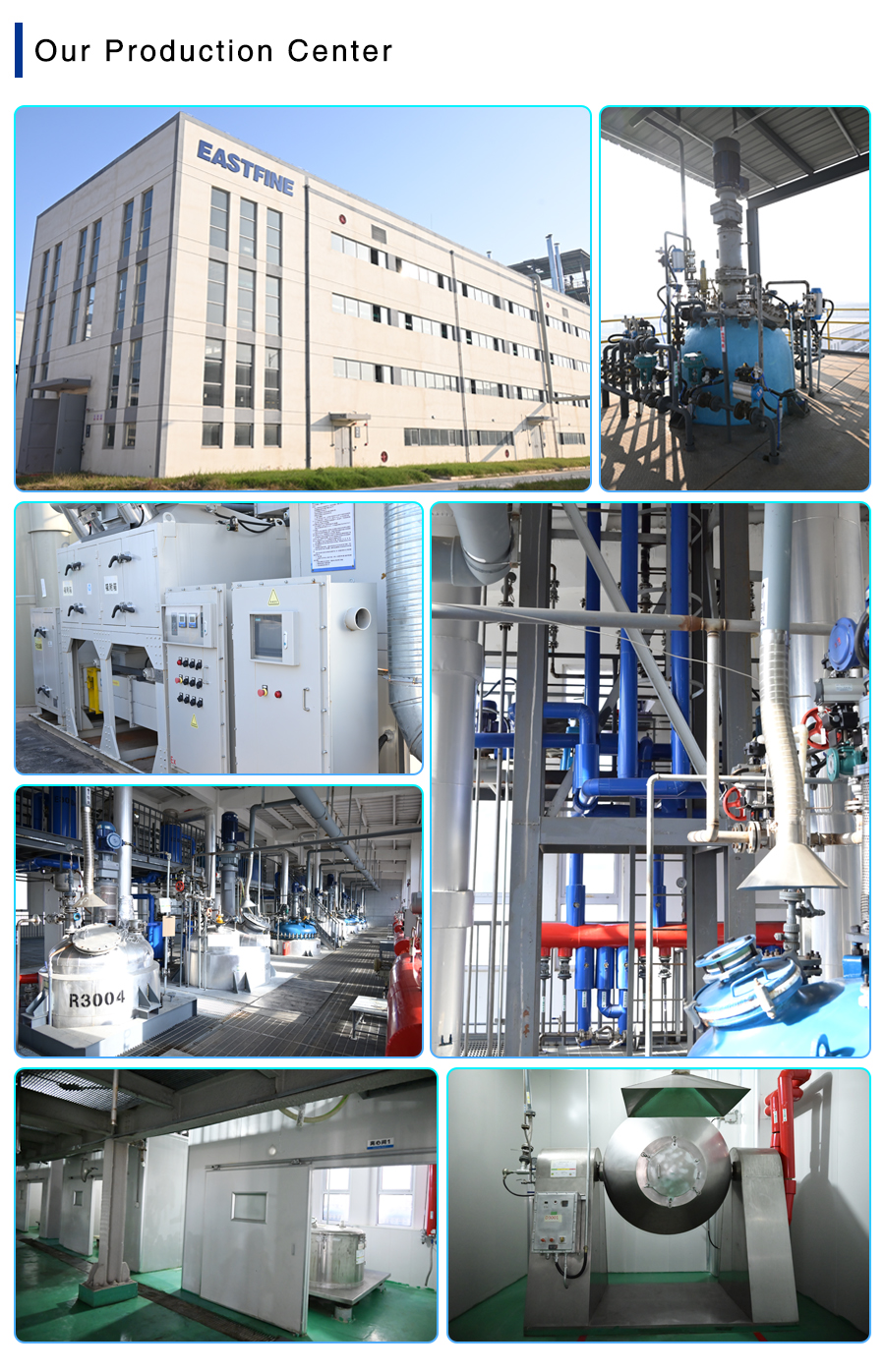
Single-site manufacturing represents a single point of failure in chemical supply chains. EASTFINE operates two fully owned, cGMP-aligned production complexes in Dalian and Heze.
Seamless Capacity Allocation:
Both plants feature continuous-flow micro-reactors and fractional distillation suites optimized for halogenation chemistry.
Supply Continuity:
If one facility undergoes scheduled maintenance or regional inspections, production for CAS No. 7051-34-5 balances immediately to the secondary site, securing multi-ton commercial deliveries without interruption.
Continuous-Flow Innovation & Process Engineering
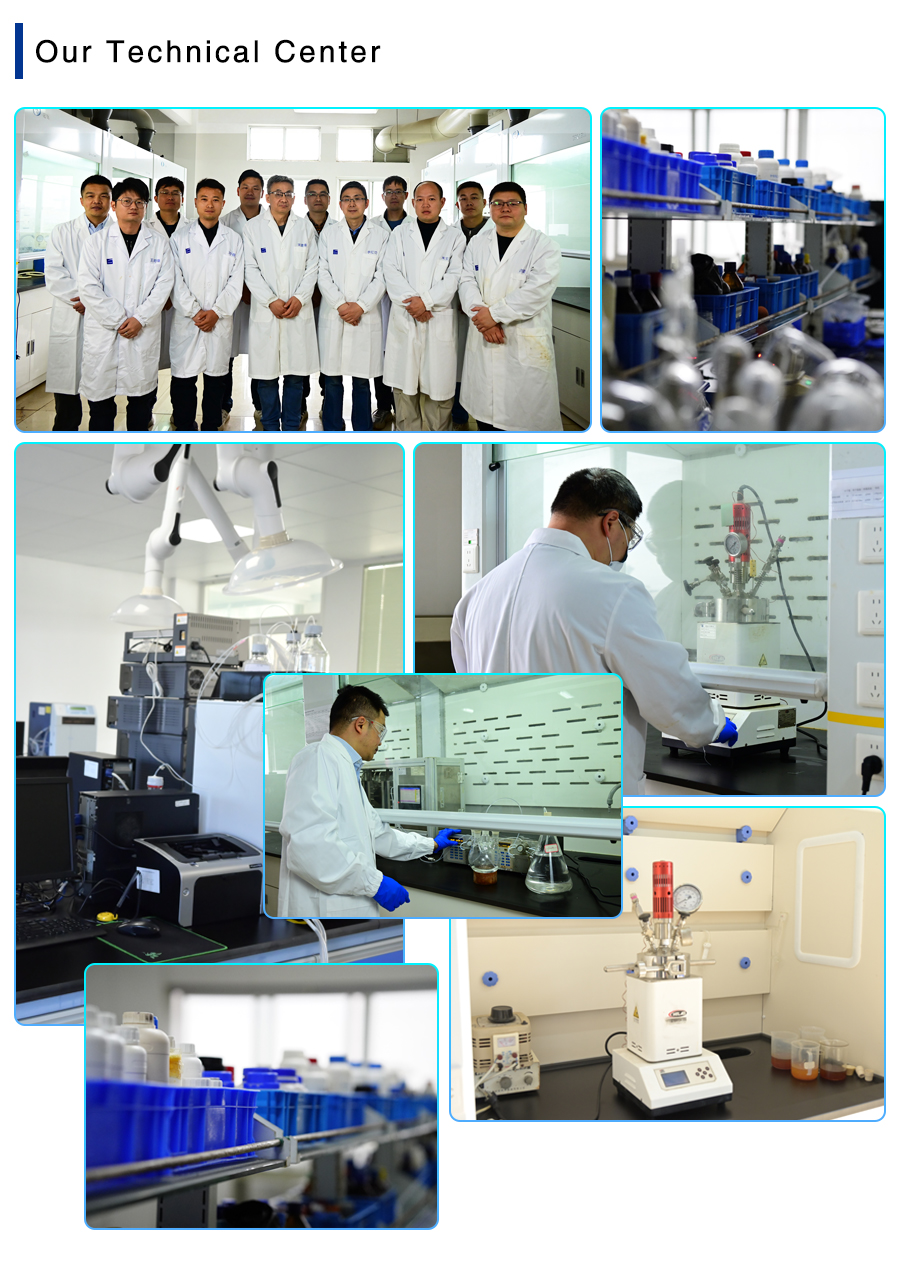
Led by senior chemical process engineers holding doctoral degrees, EASTFINE's internal R&D organization holds 19 invention patents and 8 utility model patents.
Micro-Flow Reaction Control:
Continuous-flow micro-reactors provide precise heat transfer, eliminating thermal hot spots and suppressing 4-Bromo-1-butene formation at the synthesis stage.
Direct Factory Economics:
Process efficiencies and continuous manufacturing allow EASTFINE to offer competitive, factory-direct pricing without third-party markups.
Specialized Protective Packaging & Global Logistics
To ensure product stability during international transit, EASTFINE utilizes dedicated protective packaging protocols:
Inert Blanket Sealing:
Products are packaged under a dry nitrogen blanket to prevent air and moisture contact.
UN-Rated Light-Shielded Drums:
Corrosion-resistant, UV-blocking drums fitted with protective liners prevent photo-degradation and leakage.
Turnkey Export Logistics:
EASTFINE’s internal logistics team coordinates dangerous goods documentation, customs clearance, and global cold-chain or air/ocean freight dispatch directly to your facility.
Next Steps for Procurement Planning
Streamlining your raw material supply chain for (Bromomethyl)cyclopropane (CAS No. 7051-34-5) begins with establishing direct communication with a primary manufacturer.
Contact the commercial sales department at EASTFINE today to request batch-specific Certificates of Analysis, review technical compliance files, or reserve multi-ton campaign allocations for your production cycles.


 English
 العربية
 Français
 Русский
 Español
 Português
 Deutsch
 italiano
 日本語
日本語 한국어
한국어 Nederlands
 Tiếng Việt
 ไทย
ไทย Polski
 Türkçe
 አማርኛ
አማርኛ ພາສາລາວ
 Bahasa Melayu
 ဗမာစာ
ဗမာစာ Filipino
 Bahasa Indonesia
 magyar
 Română
 Čeština
 қазақ
қазақ Српски
 हिन्दी
 فارسی
فارسی Kiswahili
 Slovenčina
 Slovenščina
 Norsk
Norsk Svenska
 українська
 Ελληνικά
 Suomi
Suomi עברית
עברית Dansk
Dansk اردو
اردو Shqip
Shqip বাংলা
বাংলা Hrvatski
 Gaeilge
 Eesti keel
 Oʻzbekcha
 latviešu
 Azərbaycan dili
 Български
 ქართული
 íslenska
 Lietuvių


 简体中文
简体中文


