The Critical Infrastructure of Anti-Androgen Synthesis
In the global pharmaceutical landscape of 2026, the synthesis of non-steroidal anti-androgens (NSAAs) remains a top priority for oncology research. At the center of this effort is N-[4-Cyano-3-(trifluoromethyl)phenyl]methacrylamide epoxide (CAS 90357-51-0). This substance is not merely a reagent; it is the "gateway" molecule for the production of Bicalutamide, a gold-standard treatment for metastatic prostate cancer.
The industrial importance of this intermediate stems from its highly specific substitution pattern. The combination of the cyano group (–CN) and the trifluoromethyl group (–CF₃) on the phenyl ring provides the necessary binding affinity to the androgen receptor, while the oxirane (epoxide) ring serves as the reactive site for further molecular elaboration. As global standards for API (Active Pharmaceutical Ingredient) purity become increasingly stringent in 2026, the quality of this epoxide intermediate has become the primary determinant of final drug efficacy.
Molecular Architecture & Product Insights
What is this Substance?
Commonly referred to as Bicalutamide Epoxide, this compound (C12H9F3N2O2) is an aromatic amide featuring a heterocyclic epoxide ring. It typically appears as a white to off-white crystalline solid. Its chemical behavior is defined by the high ring strain of the three-membered oxirane, which makes it an exceptional candidate for nucleophilic attack.
Physical State: Crystalline powder
Melting Point: 151°C – 155°C
Density: 1.42 g/cm³
Solubility: Soluble in Organic solvents (DMF, DMSO, Acetone); Insoluble in Water.
Biomechanics of the Epoxide Ring
In 2026 medicinal chemistry, the epoxide functionality is utilized as a "latent" hydroxyl group. When this ring is opened by a nucleophile—most commonly 4-fluorothiophenol in the case of Bicalutamide—it creates a tertiary alcohol center. This specific hydroxyl group is essential for the drug's "S-isomer" to fit into the ligand-binding domain of the androgen receptor, effectively blocking the action of testosterone in cancer cells.
Industrial Synthesis & Challenges
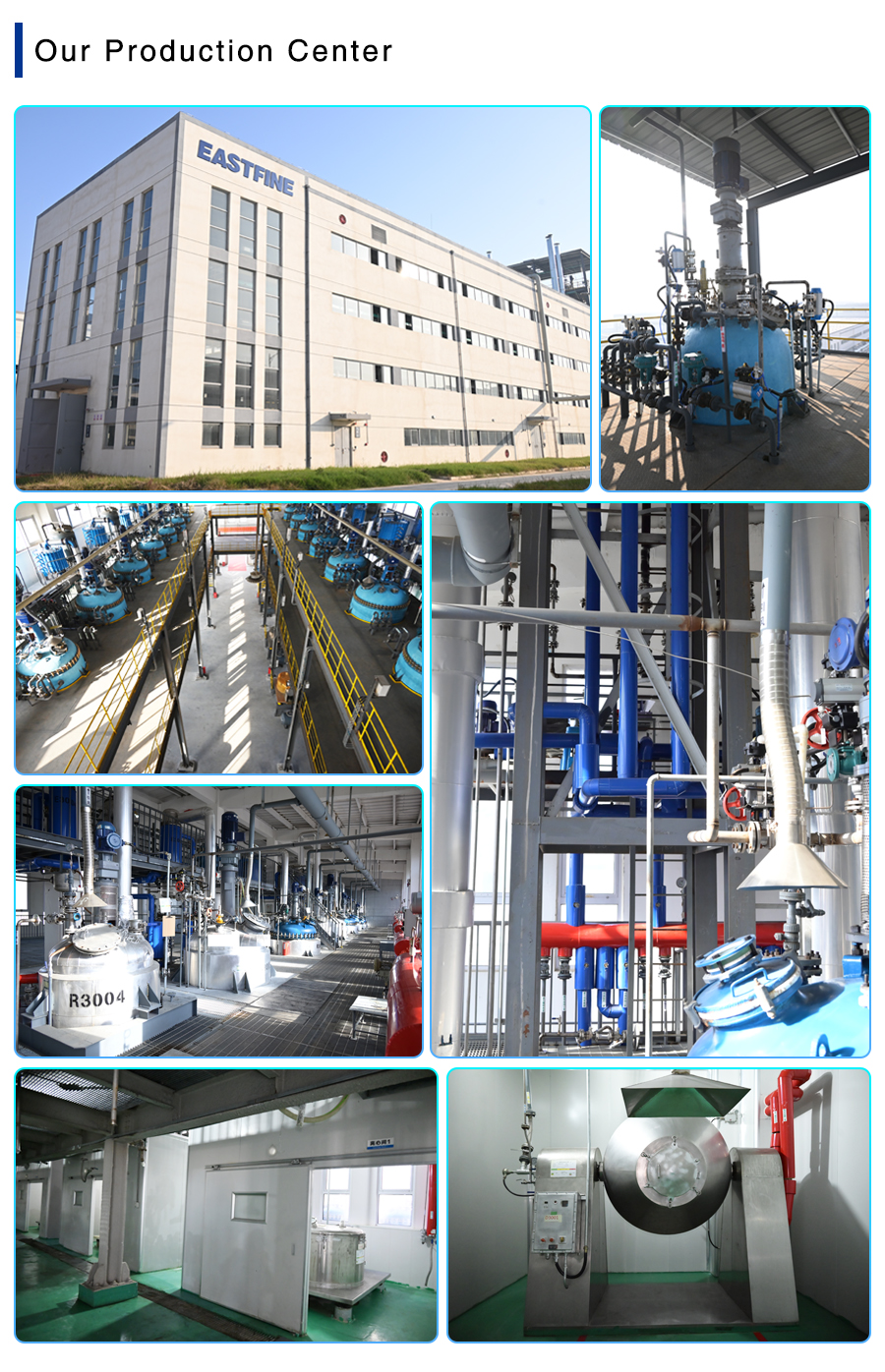
The production of CAS 90357-51-0 requires a delicate balance of high reactivity and chemical stability.
The Epoxidation Pathway
The industrial route favored in 2026 involves the epoxidation of N-[4-cyano-3-(trifluoromethyl)phenyl]methacrylamide.
The Peroxide Challenge:
Traditional routes used meta-chloroperoxybenzoic acid (mCPBA), but 2026 "Green Chemistry" standards have shifted toward the use of Hydrogen Peroxide (H2O2) or tert-Butyl hydroperoxide (TBHP) in the presence of specialized catalysts.
Chiral Integrity:
For high-end pharmaceutical applications, EASTFINE employs enantioselective epoxidation techniques to ensure the correct orientation of the methyl group on the oxirane ring, which simplifies downstream purification.
The "Post-Patent" Market Dynamics
As Bicalutamide has moved into the generic space, the market for CAS 90357-51-0 has become highly competitive. In 2026, the differentiation between manufacturers lies in impurity profiling. Residual methacrylamide or unreacted peroxides can lead to "poisoning" of the final API batch. EASTFINE's 2026 manufacturing protocol includes high-resolution chromatography to ensure these "ghost peaks" are eliminated.
Comprehensive Safety & Containment Protocols
Handling a trifluoromethylated epoxide requires more than standard lab caution. In 2026, this substance is managed under HPAPI (High-Potency API) intermediate protocols.
Primary Hazards and Systemic Risks
Mutagenic Potential:
As an epoxide, this molecule is a suspected mutagen (GHS Category 2). The reactive nature of the oxirane ring allows it to potentially alkylate DNA, making strict containment a mandatory requirement.
Acute Toxicity:
Harmful if swallowed or inhaled. It is also a documented respiratory irritant, capable of causing pulmonary distress if dust is aerosolized.
Reproductive Risk:
Due to its anti-androgenic parentage, it is handled as a suspected reproductive toxicant.
Engineering & Engineering (The "Zero-Exposure" Goal)
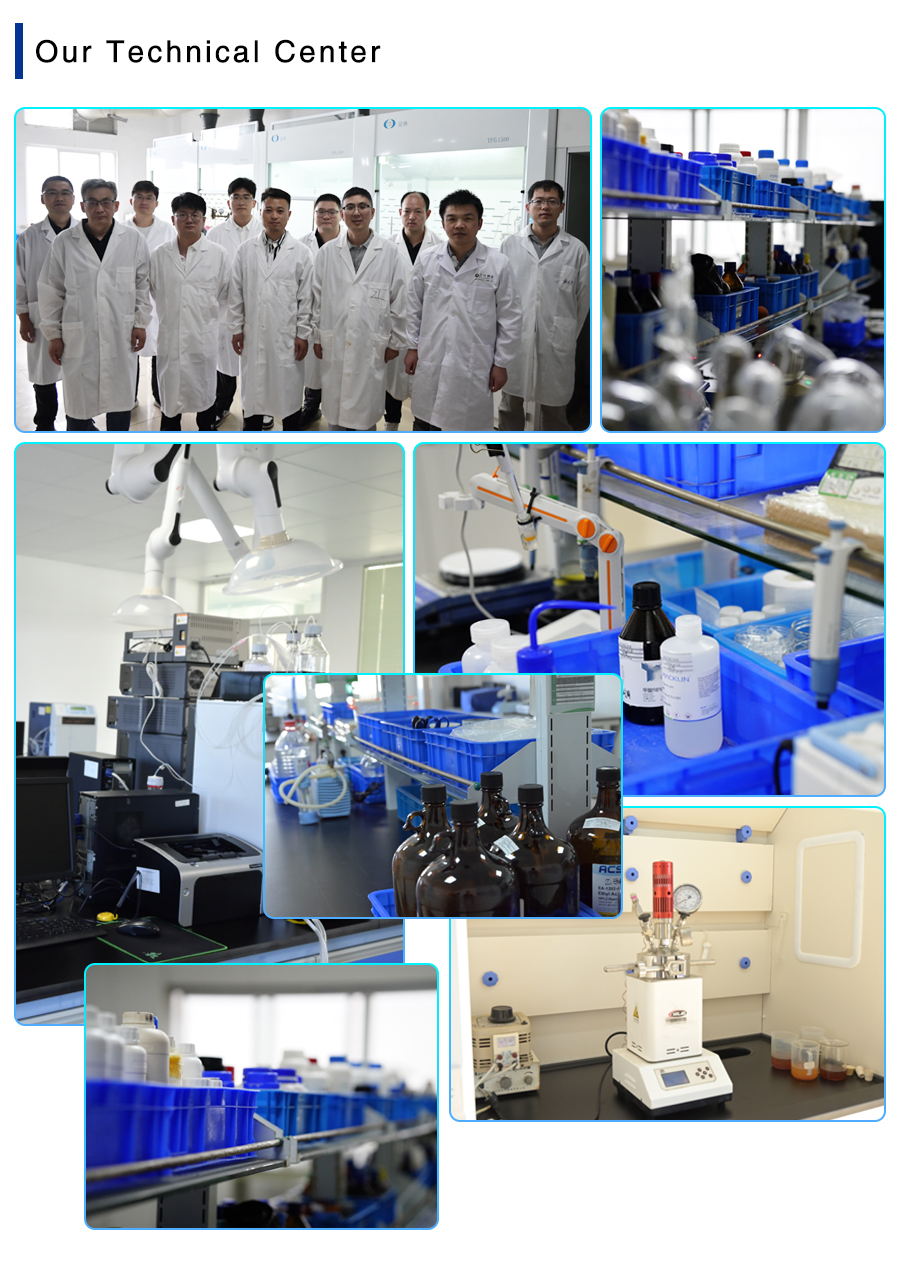
At EASTFINE, we mandate the following "Gold Standard" safety measures:
Inert Blanketing:
The epoxide ring is sensitive to moisture and atmospheric CO2. It must be handled under Nitrogen (N2) to prevent ring degradation.
Dust Suppression:
We recommend the use of Vapor-Locked charging systems. If the powder must be weighed, it must be done in a Class II Type A2 Biosafety Cabinet or a specialized glove box.
Temperature Sensitivity:
This compound is thermally unstable over long periods. It must be stored in a flame-proof refrigerator at 2°C – 8°C.
Personal Protective Equipment (PPE) 2026 Standards
Respiratory:
A P100 particulate respirator is the absolute minimum; for bulk handling, a Powered Air-Purifying Respirator (PAPR) is preferred.
Hand Protection:
Dual-layer protection: Nitrile inner gloves with Butyl Rubber outer gloves to prevent permeation of the fluorinated aromatic moiety.
Body:
Anti-static, disposable Tyvek suits with integrated hoods.
Technical Specification Summary
| Category | Specification / Requirement |
| Assay (HPLC) | ≥ 99.0% |
| Single Impurity | < 0.1% |
| Heavy Metals | < 10 ppm |
| Loss on Drying | < 0.5% |
| Flash Point | > 110°C |
| Storage Class | 10-13 (Other liquids and solids) |
Why Choose EASTFINE? (The Industry Benchmark)
In the high-stakes oncology supply chain of 2026, EASTFINE Precision Chemistry stands as a beacon of reliability and technical mastery.

Advanced Synthesis Technology:
We utilize Continuous Flow Micro-reactors for our epoxidation steps, which ensures a uniform temperature profile and eliminates the risk of "thermal runaway"—a common danger with epoxide chemistry.
Integrity of Supply:
With a history dating back to 1995, we have the infrastructure to support both small-scale R&D and multi-ton commercial production, ensuring your project remains on track from pilot to launch.
Environmental Responsibility:
Our 2026 "Green Loop" system recovers and recycles solvents used during the crystallization of CAS 90357-51-0, significantly reducing the environmental footprint of your API.
Honesty & Transparency:
Every batch is shipped with a Full Analytical Package, including H-NMR and C-NMR spectra, to verify the purity and structural identity of the epoxide ring.
Conclusion
N-[4-Cyano-3-(trifluoromethyl)phenyl]methacrylamide epoxide (CAS 90357-51-0) is a masterclass in functional group synergy. Its unique combination of stability and reactivity makes it indispensable for the modern oncology sector. However, its handling requires professional diligence and a deep understanding of its mutagenic profile. By partnering with EASTFINE, you secure not only a high-purity intermediate but also a 2026-compliant safety and technical infrastructure that ensures the success of your final drug product.


 English
 العربية
 Français
 Русский
 Español
 Português
 Deutsch
 italiano
 日本語
日本語 한국어
한국어 Nederlands
 Tiếng Việt
 ไทย
ไทย Polski
 Türkçe
 አማርኛ
አማርኛ ພາສາລາວ
 Bahasa Melayu
 ဗမာစာ
ဗမာစာ Filipino
 Bahasa Indonesia
 magyar
 Română
 Čeština
 қазақ
қазақ Српски
 हिन्दी
 فارسی
فارسی Kiswahili
 Slovenčina
 Slovenščina
 Norsk
Norsk Svenska
 українська
 Ελληνικά
 Suomi
Suomi עברית
עברית Dansk
Dansk اردو
اردو Shqip
Shqip বাংলা
বাংলা Hrvatski
 Gaeilge
 Eesti keel
 Oʻzbekcha
 latviešu
 Azərbaycan dili
 Български
 ქართული
 íslenska
 Lietuvių


 简体中文
简体中文


