Executive Summary: The 2026 Shift Toward High-Stability Thiophene Scaffolds
In the global agrochemical sector of 2026, the focus has shifted from broad-spectrum chemicals to highly selective, systemic molecules. Thiophene-based heterocycles, particularly Methyl 4-amino-5-methylthiophene-3-carboxylate (CAS 81528-48-5), have become the "architectural backbone" for a new wave of fungicides and herbicides designed to combat resistant fungal strains and broadleaf weeds.
For B2B procurement managers and plant directors, the challenge of sourcing this specific thiophene is not just a matter of price—it is a matter of chemical stability and industrial cleanliness. Thiophene derivatives are notoriously sensitive to oxidation, often arriving at the factory as dark, degraded oils that clog filtration systems and ruin final formulations. This comprehensive technical feature explores how EASTFINE’s factory-direct manufacturing model eliminates these variables, providing a stabilized, high-purity scaffold that allows agrochemical producers to scale their sulfonylurea and carboxamide lines with total confidence and maximum efficiency.
The Technical Criticality of CAS 81528-48-5 in Agrochemicals
The Thiophene Advantage in Crop Protection
Thiophene rings are bioisosteres of benzene rings, but with a crucial difference: they offer higher lipophilicity and unique electronic density. This is not merely a theoretical advantage; it translates to real-world field efficacy.
Systemic Mobility:
Molecules built on the Methyl 4-amino-5-methylthiophene-3-carboxylate scaffold often show superior translocation within the plant's vascular system. This allows for "root-to-leaf" protection, a critical requirement for 2026 systemic fungicides.
Binding Affinity:
The sulfur atom in the ring can participate in specific S-pi and S-H interactions with fungal enzymes (such as Succinate Dehydrogenase Inhibitors, or SDHIs). By utilizing the high-purity building block from EASTFINE, oncology and agrochemical researchers ensure that their structure-activity relationship (SAR) data is accurate and reproducible.
The "Bifunctional" Power of CAS 81528-48-5
This molecule is prized for its adjacent amino (-NH2) and carboxylate (-COOCH3) groups. This specific ortho-substitution pattern is the "key" to unlocking complex heterocyclic chemistry.
Cyclization Efficiency:
The proximity of these two functional groups allows for the rapid, one-pot synthesis of fused heterocyclic systems, such as thienopyrimidines or thienotriazines. In a B2B manufacturing environment, "one-pot" synthesis means fewer isolation steps, higher throughput, and lower solvent costs.
Regioselective Stability:
Because the methyl group at the 5-position is already "locked" in place during the EASTFINE synthesis, there is zero risk of isomeric drift during your final cyclization step. This is a common failure point in lower-quality material where the methyl group might migrate under high-temperature conditions.
The EASTFINE Factory-Direct Manufacturing Edge
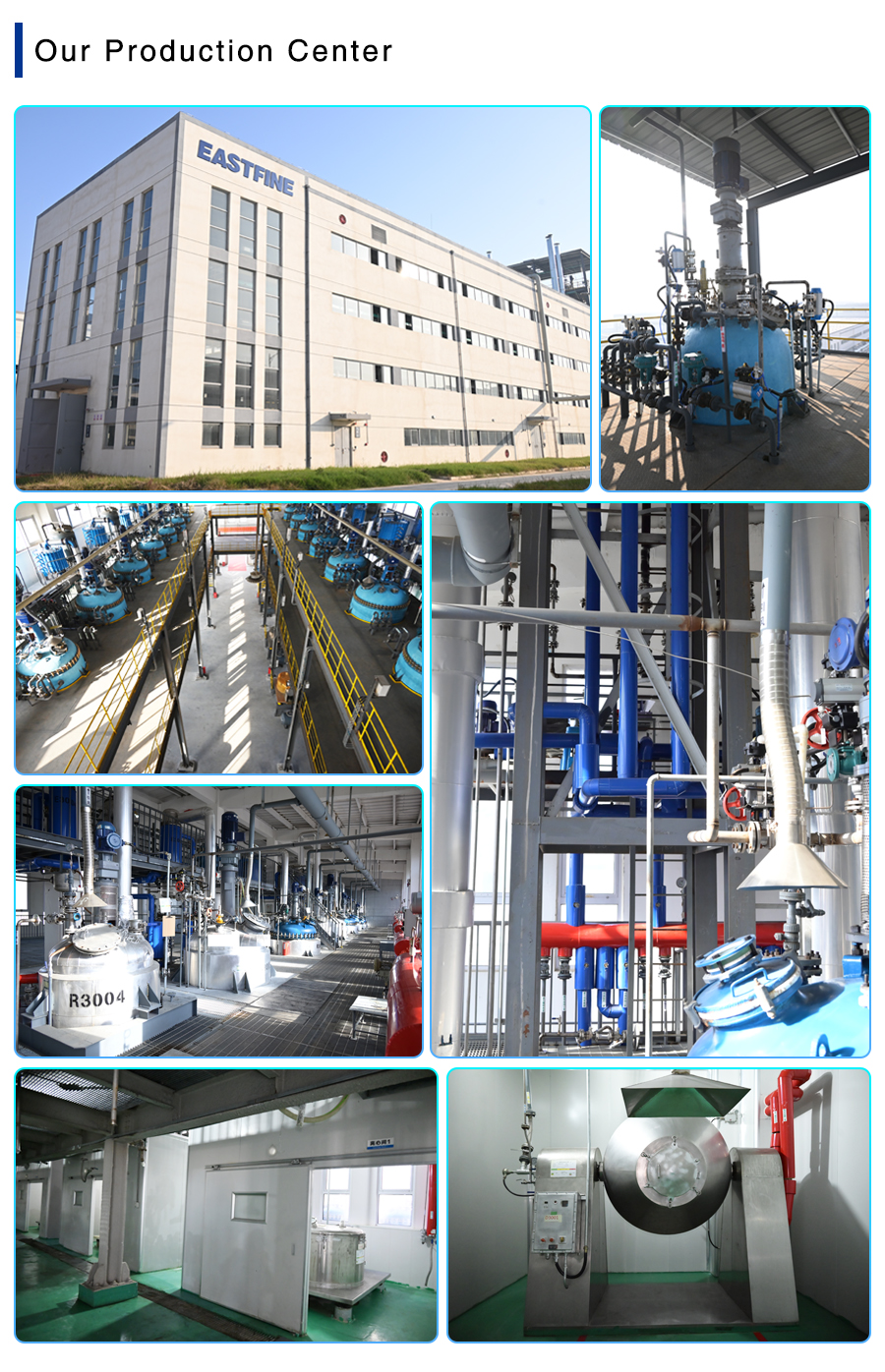
When you buy from a trader, you are buying a product that has often sat in multiple warehouses, exposed to varying temperatures and atmospheric oxygen. When you buy from EASTFINE, you are buying material that was refined and packaged within hours of synthesis.
Overcoming the "Dark Thiophene" Syndrome
One of the most common complaints in the B2B thiophene market is the rapid darkening of the material from off-white to a deep brown or black. This is caused by trace oxidative polymerization of the amino-thiophene core, which is highly reactive.
The "Clean Thiophene" Protocol:
At EASTFINE, we utilize a proprietary vacuum-desiccation and nitrogen-shielded crystallization process. By removing all traces of dissolved oxygen during the final mother-liquor separation, we produce a stable, off-white crystalline powder that remains color-stable for up to 24 months.
Reactor Longevity:
Because our material contains < 0.1% of these dark polymeric impurities, your reactors require less frequent "hot-wash" cleaning cycles. For a plant running 24/7, this can save up to 15 days of downtime per year, significantly increasing your annual output.
Achieving ≥ 99.0% Assay at Industrial Scale
Producing a 100g sample of high-purity CAS 81528-48-5 in a lab is easy; producing 50 tons with the same purity is where most factories fail.
Continuous Flow Distillation:
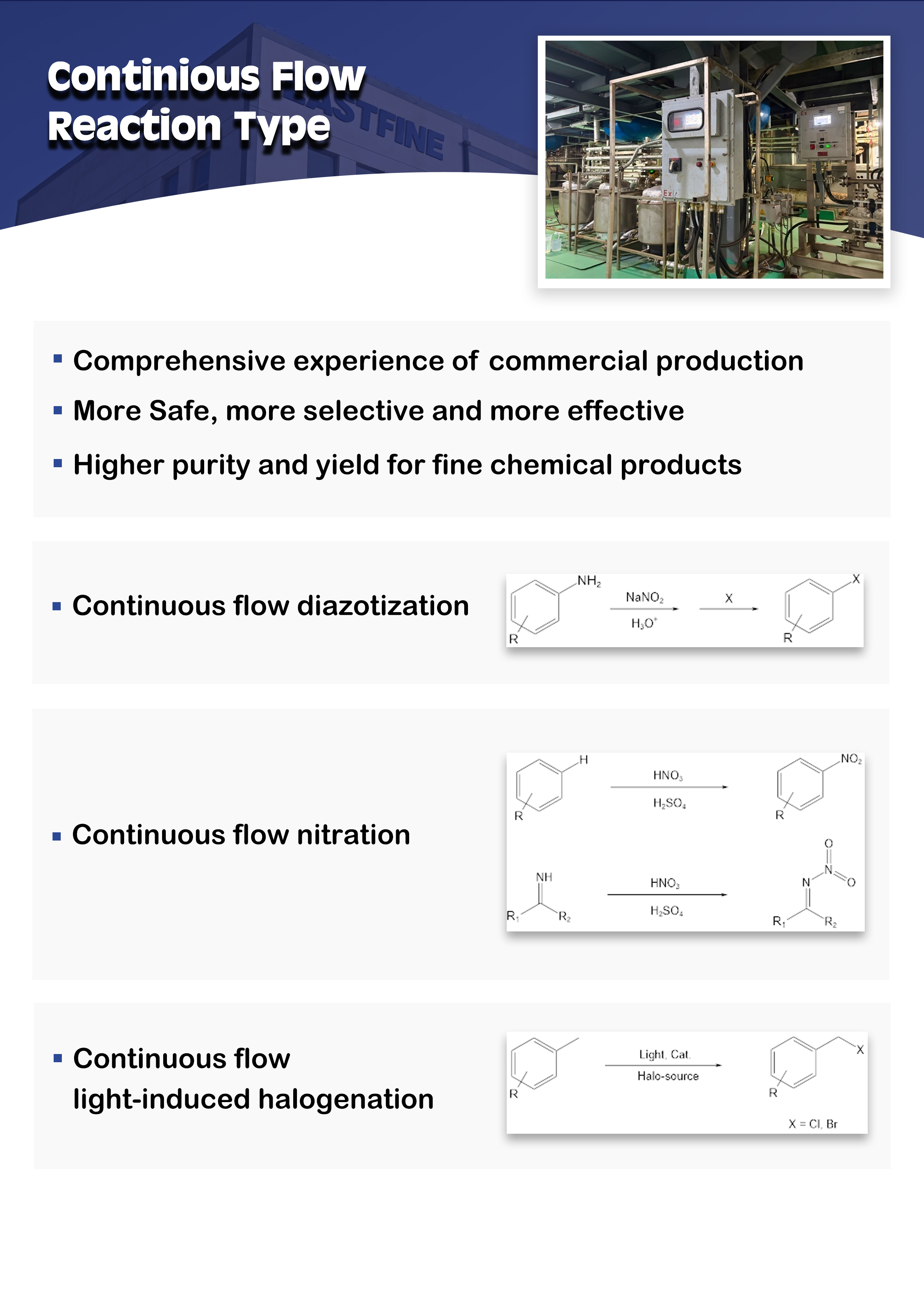
EASTFINE employs a 2026-standard continuous flow distillation unit for the methyl-thiophene precursors. This ensures that the foundational ring is 100% pure before the amino and carboxylate groups are added, eliminating the chance of "ghost peaks" in your final HPLC analysis.
Heavy Metal Control:
In agrochemicals, trace metals (like Pd or Cu used in catalysts) can cause stability issues in the final pesticide formulation or lead to unintended environmental toxicity. EASTFINE guarantees Total Heavy Metals < 10 ppm, ensuring your product passes even the most stringent 2026 Japanese and European import audits.
B2B Sourcing Risk Mitigation—The Professional Audit
Procurement in 2026 is an exercise in risk management. A single "bad batch" of CAS 81528-48-5 can delay a 100-ton herbicide campaign, costing millions in lost seasonal sales and damaging relationships with global distributors.
Eliminating the "Thiophene Odor" and Logistics Stress
Thiophenes are famously odorous. In a B2B warehouse setting, "leaky" or poorly sealed drums can lead to health and safety complaints and cross-contamination of other stored raw materials.
Advanced Vapor Barriers:
EASTFINE utilizes triple-layered, aluminum-laminate vacuum bags for every 25kg or 50kg drum. This not only prevents the characteristic "skunky" odor from escaping but also provides an absolute barrier against atmospheric moisture, which can cause the methyl ester group to hydrolyze.
Cold-Chain Ready:
For long-haul shipments to South America or Australia, we offer Data-Logged Climate Control, ensuring the material never exceeds 25°C during transit. This preserves the crystalline integrity and prevents the material from "clumping" during the equatorial crossing.
Total Traceability: The Digital Quality Passport
Every B2B order from EASTFINE comes with more than just a CoA. We provide a comprehensive Analytical Dossier that acts as a digital twin for your shipment:
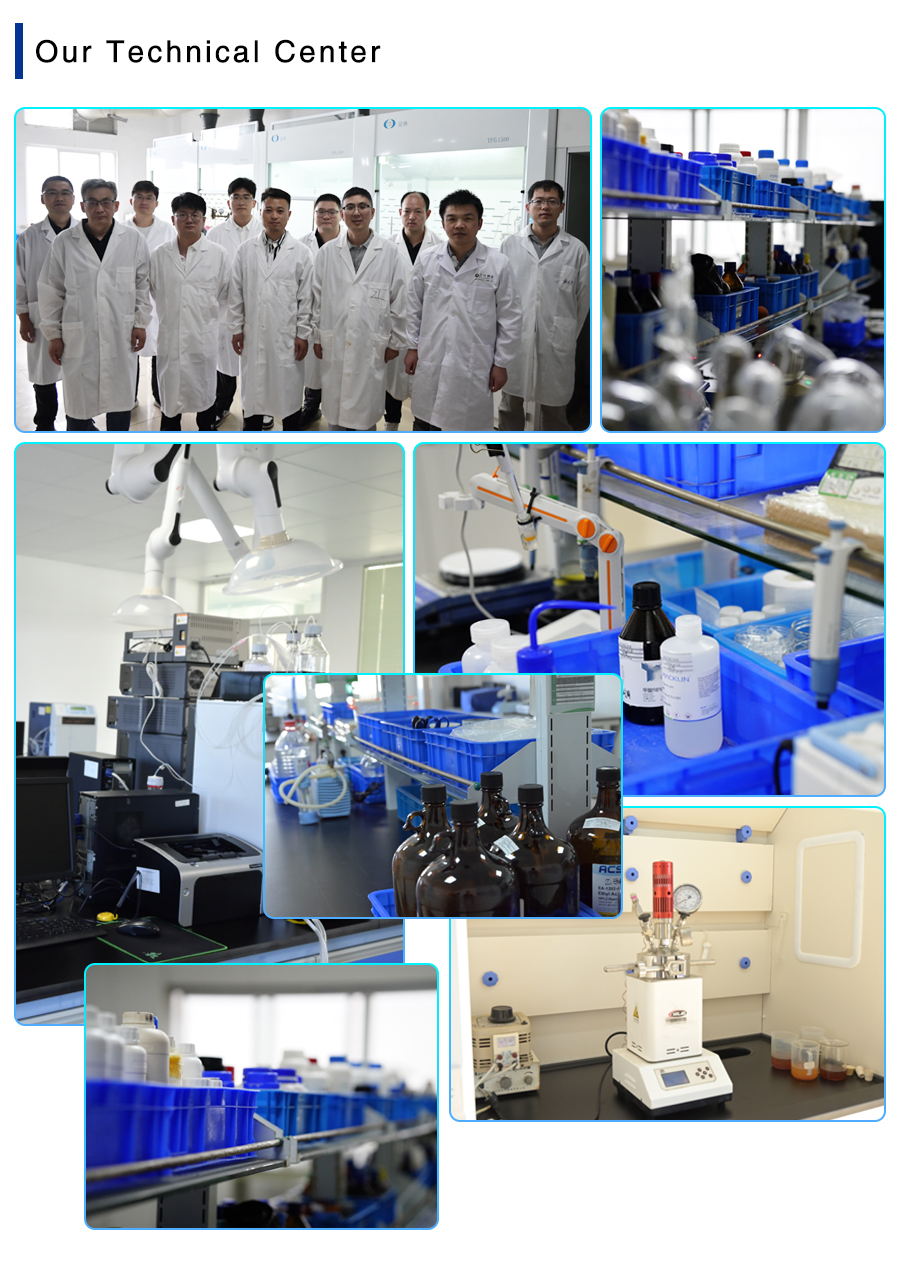
HPLC Purity Chromatograms:
High-resolution traces showing baseline separation of any trace byproducts.
1H-NMR and 13C-NMR Spectra:
Confirming regioselective methyl placement and verifying the absence of isomeric impurities.
Moisture Analysis:
Karl Fischer method results, consistently maintained at < 0.1% to protect your moisture-sensitive coupling reagents.
Solvent Residue Statement:
Detailed GC analysis guaranteeing adherence to 2026 "Green Solvent" standards (e.g., zero use of benzene or carbon tetrachloride).
Sustainability and the 2026 Agrochem Regulatory Landscape
As the agrochemical industry moves toward "Green Pesticides" and regenerative agriculture, the environmental footprint of the intermediate manufacturer becomes a vital competitive factor for B2B brands.
"Green" Thiophene Synthesis at EASTFINE
The traditional Gewald reaction used to synthesize thiophenes often produces significant sulfur-based waste and nitrogenous byproducts. EASTFINE has innovated beyond this standard.
Waste-to-Value Loop:
At our facility, we have implemented a closed-loop sulfur recovery system. We capture gaseous byproducts and convert them into usable sulfate-based fertilizers for local agricultural use, effectively neutralizing our environmental impact while supporting the circular economy.
Solvent Recovery:
Our 2026 facility features a dedicated fractional solvent-rectification tower, allowing us to recycle 92% of the alcohols and ethers used in the synthesis of CAS 81528-48-5. This reduces both our costs and your Scope 3 emissions.
Regulatory Readiness (REACH & Global Registration)
Registering a new fungicide or herbicide in 2026 requires an exhaustive "source of origin" audit and a clear impurity profile for the global dossier.
Audit-Ready Facilities:
EASTFINE’s factory is fully ISO 9001:2015, ISO 14001:2015, and ISO 45001 certified. We provide our B2B partners with all the technical data required for global regulatory filings, including detailed manufacturing flowcharts, hazard assessments, and toxicological data.
IP Compliance Management:
Our recently established certification in Intellectual Property management ensures that your proprietary formulation data and cyclization methods remain strictly confidential during our technical collaboration.
Why EASTFINE is the Global Anchor for CAS 81528-48-5
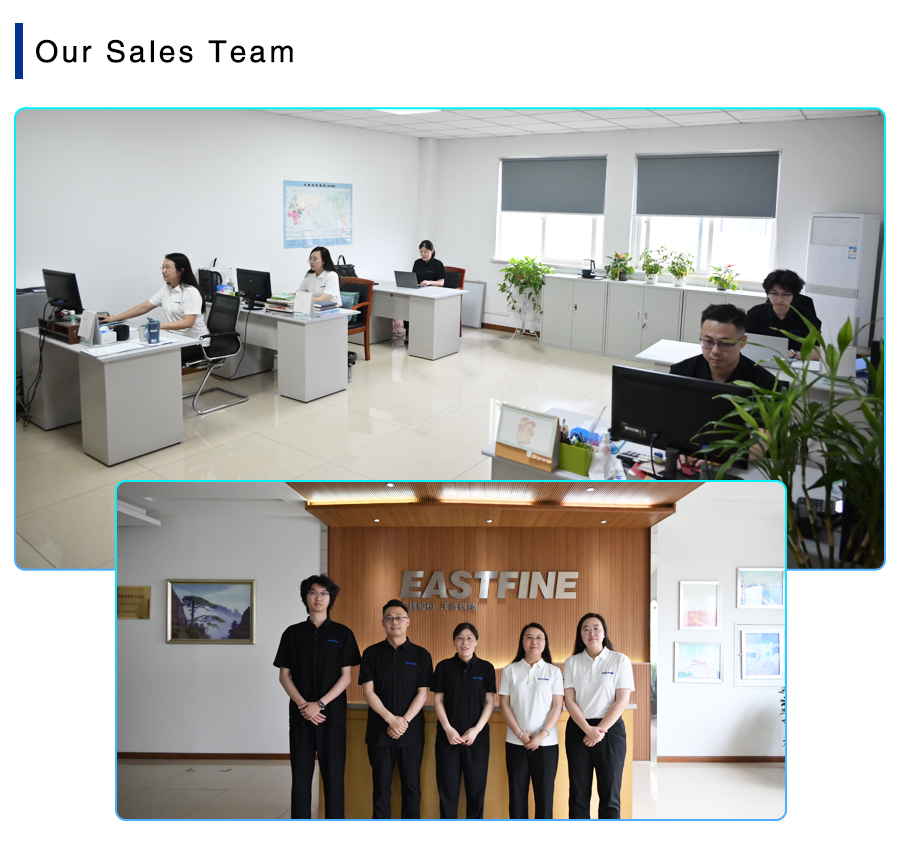
At EASTFINE Precision Chemistry, our B2B philosophy is built on three pillars: Professionalism, Honesty, and Collaboration. We don't just supply a chemical; we provide the foundation for your crop protection success and supply chain resilience.
30 Years of Specialization:
Since 1995, we have mastered the complex chemistry of substituted thiophenes. We have the "tribal knowledge" required to manage these sensitive molecules at scale without sacrificing the purity required for 2026 APIs.
Factory-Direct Pricing Power:
By eliminating the middleman and the associated markups of trading companies, we offer competitive B2B pricing that allows your final formulation to be more price-competitive in a crowded global market.
Bespoke Technical Specifications:
Need a specific particle size (D50) for your jet-milling process or a custom stabilizer for long-term storage in tropical climates? Our R&D team works directly with your process engineers to tailor CAS 81528-48-5 to your exact reactor requirements.
Reliable Supply Capacity:
With our 2026 facility expansion and optimized production cycles, we maintain a standing stock of 5,000kg for immediate dispatch, ensuring your production lines never go dark during the critical pre-season ramp-up.
Conclusion: Precision Intermediates for Global Food Security
Scaling up a new sulfonylurea or thiophenecarboxamide line is a high-stakes endeavor involving millions in R&D investment. By choosing EASTFINE’s factory-direct Methyl 4-amino-5-methylthiophene-3-carboxylate (CAS 81528-48-5), you are choosing a reagent that is as clean, stable, and professional as your own organization.
We invite you to experience the EASTFINE Advantage—where technical mastery meets industrial scale. Let us help you build the next generation of high-performance agrochemicals.


 English
 العربية
 Français
 Русский
 Español
 Português
 Deutsch
 italiano
 日本語
日本語 한국어
한국어 Nederlands
 Tiếng Việt
 ไทย
ไทย Polski
 Türkçe
 አማርኛ
አማርኛ ພາສາລາວ
 Bahasa Melayu
 ဗမာစာ
ဗမာစာ Filipino
 Bahasa Indonesia
 magyar
 Română
 Čeština
 қазақ
қазақ Српски
 हिन्दी
 فارسی
فارسی Kiswahili
 Slovenčina
 Slovenščina
 Norsk
Norsk Svenska
 українська
 Ελληνικά
 Suomi
Suomi עברית
עברית Dansk
Dansk اردو
اردو Shqip
Shqip বাংলা
বাংলা Hrvatski
 Gaeilge
 Eesti keel
 Oʻzbekcha
 latviešu
 Azərbaycan dili
 Български
 ქართული
 íslenska
 Lietuvių


 简体中文
简体中文


